
Lieferung heute & morgen

Qualitätsgarantie

Willkommens-Angebote freischalten: KOSTENLOSE Lieferung | Bis zu 80 % RABATT | Kostenlose 30-Tage-JoyPlus-Testphase
App herunterladen
Sensitive skin does not always react in the same way. While dry cheeks may feel tight, the T-zone of combination skin can often start to look shiny after just a few hours. Redness, stinging and an uneven-looking complexion can also make it difficult to choose the right skincare product. A soothing face cream for sensitive skin should therefore be selected based not only on marketing claims, but also on its formula, texture and how well your individual skin tolerates it.
Claims such as “70% Heartleaf” or “20% Centella” may seem convincing at first glance. However, the percentage alone does not determine a cream’s overall performance or suitability. The other ingredients, preservatives, fragrance and your skin’s individual reaction all play a role.
A Cica cream or Centella cream may work well as part of a soothing skincare routine for some skin types. If you know that your skin is sensitive to certain plants, however, it is worth carrying out a patch test on a small area of skin.
Plant extracts such as Mugwort, chamomile, lavender and witch hazel may be included in a skincare formula. However, natural ingredients can also trigger reactions in sensitive skin. Always check the full INCI list, paying particular attention to declared fragrance ingredients and essential oils.
A rich cream can feel pleasantly nourishing on dry skin, but may feel heavy on oily or blemish-prone skin. A lightweight gel, on the other hand, may not provide enough care for very dry cheeks or a compromised skin barrier. The term face cream for redness therefore says little about whether the consistency is right for you.
For a barrier-supporting cream, ceramides, squalane, glycerin, panthenol and hyaluronic acid are all interesting ingredients to look for. Ceramides and similar lipids can be used to care for dry skin. Panthenol and glycerin are often used to provide hydration.
If your skin reacts to many products, the ingredients list should ideally be relatively straightforward. “Free from artificial fragrances” is a specific criterion, but it does not replace checking the full INCI list.
A tube or airtight pump system reduces direct contact with the formula. If you have sensitive skin, start by applying only a thin layer of cream. It is best to introduce new products into your routine one at a time, so that any reactions can be identified more easily.
If redness, swelling, intense itching or stinging persists, stop using the product and seek dermatological advice if necessary. Cosmetic creams are not a substitute for medical treatment.
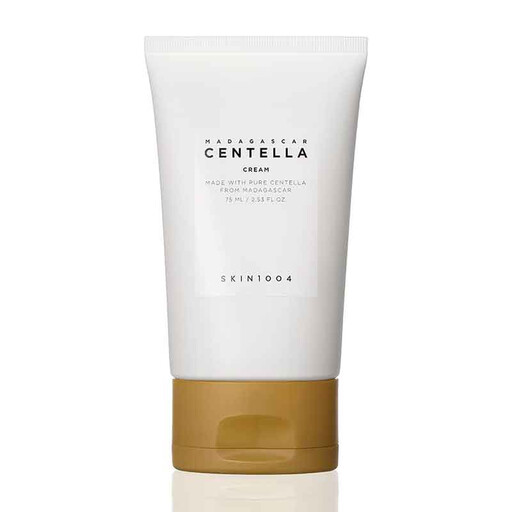
Why This Fits Their Persona: The gel-like texture may appeal to people looking for a straightforward daily moisturiser without a strongly sticky finish.
According to the product description, the formula contains 20% Centella asiatica extract, Ceramide NP and panthenol. It is also described as free from artificial fragrances. The current packaging information remains authoritative.
75 ml; lightweight gel cream; with Centella, squalane, niacinamide and Ceramide NP; vegan and free from artificial fragrances according to the supplier.
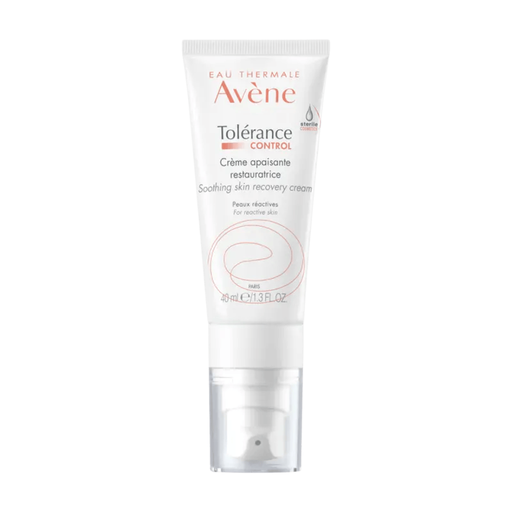
Why This Fits Their Persona: Its minimalist approach suits a daily routine where a simple formula and airtight packaging are important.
According to the product description, the cream is fragrance-free, preservative-free and non-comedogenic. The airtight packaging is designed to protect the contents from direct contact with the surrounding air.
40 ml; creamy texture; with glycerin and squalane; for normal to combination skin according to the product information.
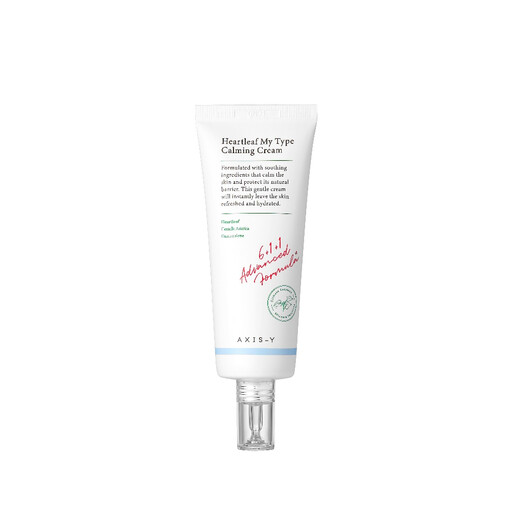
Why This Fits Their Persona: The water-based gel cream is designed to provide lightweight hydration and absorb quickly, making it an interesting option for oily or combination skin.
The product description highlights a lightweight, non-greasy texture and a non-comedogenic formula. If you have sensitive skin, you should still carry out a patch test and check the current INCI list.
60 ml; Heartleaf and Centella extracts; also contains hyaluronic acid and allantoin; suitable for sensitive and blemish-prone skin according to the supplier.
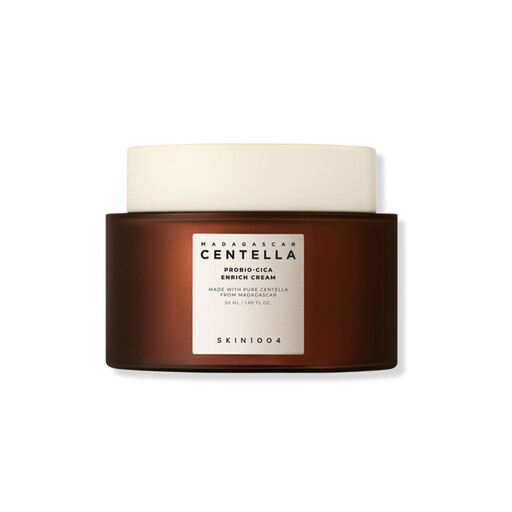
Why This Fits Their Persona: This richer cream is suited to people who prefer a more nourishing feel for dry or stressed skin than a simple gel cream can provide.
According to the product information, the formula contains fermented Centella, Ceramide NP, panthenol and hyaluronic acid. This clearly identifies specific ingredients for hydration and barrier support.
50 ml; rich, smooth texture; free from artificial fragrances and colourants according to the product description; Centella complex and ceramides.
We have put together a current selection of products that take these buying criteria for sensitive skin into account. Always check the product page and the information on the packaging before buying.
Apply the cream to dry or slightly damp skin after cleansing. A pea-sized amount is often enough for the whole face; an additional thin layer may be useful on very dry areas. In the morning, follow with sunscreen.
Do not introduce new products at the same time as multiple exfoliants, retinoids or highly concentrated active ingredients. This makes it easier to assess how well your skin tolerates the product. When using a cream for sensitive skin, it is also important not to rub too vigorously. Instead, gently smooth the product over your skin.
This depends on your skin type, the cause of the redness and your preferred texture. Creams containing ceramides, squalane or panthenol may suit dry skin. Lightweight gel creams are often more comfortable for oily or blemish-prone skin. An anti-redness cream should not be considered a treatment for a skin condition.
The best-before date and the open-jar symbol on the packaging are the key points to check. Store the cream in a dry place away from direct sunlight, and close tubes or jars after every use. Any change in smell, colour or consistency indicates that it should no longer be used.
Yes, a Korean face cream can generally form part of a skincare routine for sensitive skin. However, the INCI list, fragrance, texture and your skin’s individual tolerance are what matter—not the country of origin. Test the cream on a small area of skin first and be aware that the formula may change.