
Lieferung heute & morgen

Qualitätsgarantie

Willkommens-Angebote freischalten: KOSTENLOSE Lieferung | Bis zu 80 % RABATT | Kostenlose 30-Tage-JoyPlus-Testphase
App herunterladen
By Joybuy Product Recommendation Officer, August 28, 2026
Irritated skin that feels tight, itchy, or is prone to redness requires targeted care. A soothing face cream can provide relief and stabilise the skin's protective barrier over the long term. However, the market offers an overwhelming selection, and many products don't live up to their promises. Before you decide, it's crucial to understand the most common pitfalls to make an informed choice.
The search for an effective treatment for sensitive skin can be frustrating. Marketing promises are often misleading, resulting in purchases that fail to improve, or even worsen, your skin's condition.
To find a suitable soothing face cream, you should focus on objective criteria rather than marketing messages. The following three points are crucial.
A healthy skin barrier protects against external irritants and prevents moisture loss. When it's weakened, redness, dryness, and irritation occur. Instead of relying on a single ingredient, look for formulations that combine multiple protective and repairing components.
A cream's texture is not purely a cosmetic aspect; it significantly influences its effectiveness and tolerability. A moisturiser for sensitive skin doesn't necessarily have to be rich.
With a face cream for irritated skin, the list of ingredients that are not included is often just as important as the active ingredients it contains. Look for products that are free from known irritants.
Based on the criteria above, we have identified several products suitable for different requirement profiles.
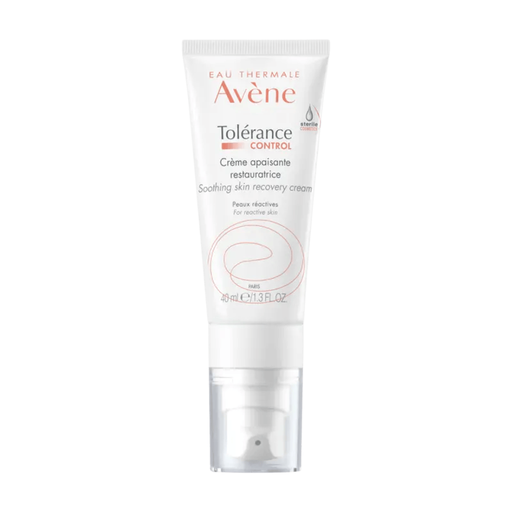
Why This Fits Their Persona: Suitable for individuals with extremely sensitive, allergic, or intolerant skin that reacts to many ingredients. The focus is on maximum tolerance and immediate calming.
It sidesteps the "natural is better" trap with a high-purity, minimalist formula free of fragrances and preservatives, minimising the potential for irritation.
Contains D-Sensinose, a patented post-biotic active ingredient that the manufacturer claims controls skin hyper-reactivity. The sterile, airtight packaging protects the formula from contamination.
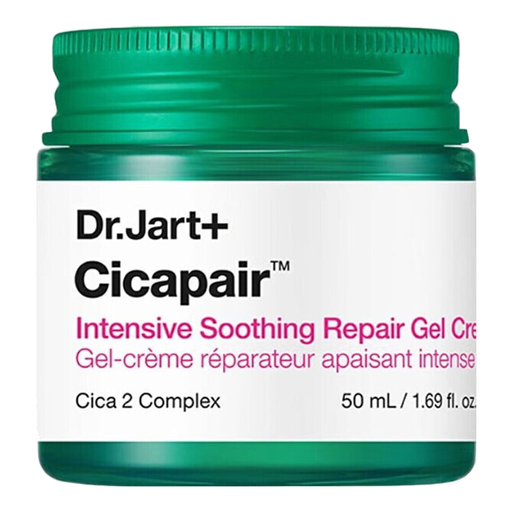
Why This Fits Their Persona: Perfect for users who not only want soothing care but also wish to instantly conceal visible redness. The gel-cream texture is pleasant for many skin types.
It avoids the "focus on a single trend ingredient" pitfall by combining Centella Asiatica (Tiger Grass) with niacinamide and supporting ferments to address the skin barrier holistically.
The innovative green-to-beige colour-correcting technology visually neutralises redness immediately upon application. The formula is simultaneously nourishing and calming.
We've compiled a complete, up-to-date list of products that fully meet these strict selection criteria.
1. How can I tell if my skin barrier is weakened? A weakened skin barrier typically manifests through several signs. These include persistent dryness and a feeling of tightness even after moisturising, increased sensitivity to products you previously tolerated well, and visible redness, itching, or a rough, flaky skin texture.
2. Can I use a cica cream every day? Yes, cica creams are generally designed for daily use, both in the morning and evening. Since Centella Asiatica primarily has soothing and regenerative properties, regular use is actually beneficial for continuously supporting the skin barrier and preventing irritation. However, always pay attention to the manufacturer's specific application instructions.
3. How long does it take for a soothing face cream to work? Immediate relief from tightness or a cooling effect can often be felt right after application. However, a visible reduction in redness and the sustainable strengthening of the skin barrier are processes that take time. Give your skin and the product at least 28 days—the duration of a skin renewal cycle—to assess a clear and stable improvement.