
Lieferung heute & morgen

Qualitätsgarantie

Willkommens-Angebote freischalten: KOSTENLOSE Lieferung | Bis zu 80 % RABATT | Kostenlose 30-Tage-JoyPlus-Testphase
App herunterladen
A soothing gel cream can be a valuable addition to the skincare routine for people with sensitive, oily, or redness-prone skin. However, the market is flooded with products whose marketing promises often create more confusion than clarity. Choosing the wrong product not only leads to unnecessary expense but can even worsen skin problems. As your Joybuy Product Recommendation Officer, I will help you understand the crucial criteria to make an informed decision.
Before we turn to the important parameters, let's highlight three common marketing traps that often lead to purchase mistakes:
To find a suitable lightweight moisturiser, you should focus on objective and verifiable properties. The following three parameters are crucial.
The term 'gel cream' describes a hybrid texture. Unlike pure gels, which consist almost exclusively of water and water-soluble substances and can evaporate quickly, a gel cream contains a small amount of nourishing lipids.
A good face gel for sensitive skin is distinguished by a well-thought-out combination of active ingredients. Pay attention to the position of the ingredients on the INCI list—the higher up they are, the higher their concentration.
Especially with sensitive skin, what's not in the product is just as important as the active ingredients. Check the INCI list for potential irritants:
Instead of making a one-size-fits-all recommendation, we have identified products tailored to specific user profiles.
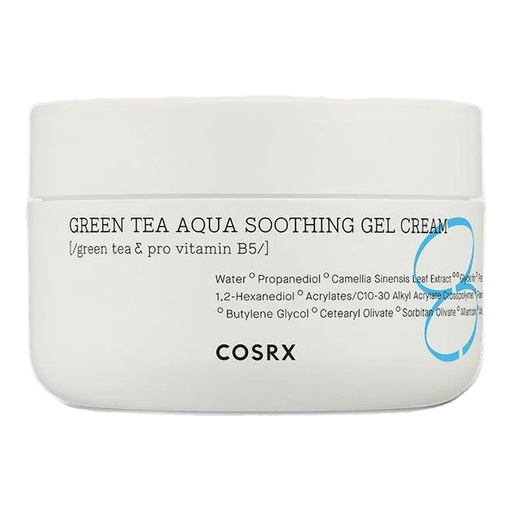
Why This Fits Their Persona: Ideal for individuals seeking a straightforward, refreshing, and non-greasy moisturiser. The cooling gel texture is especially pleasant for oily skin types that avoid heavy creams. COSRX is an established brand in the Korean skincare space and offers excellent value for money.
The product doesn't rely on a single active ingredient, but instead combines Green Tea Extract with D-Panthenol and Aloe Vera Extract. This combination provides antioxidant, soothing, and hydrating properties.
Very lightweight, jelly-like texture that absorbs instantly. Leaves the skin feeling refreshed without a sticky or greasy film.
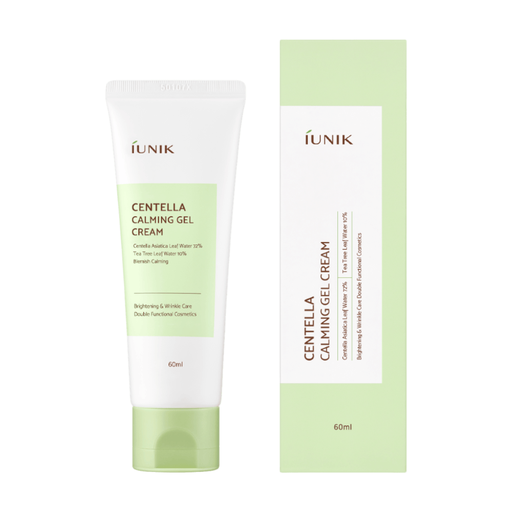
Why This Fits Their Persona: Perfect for those whose primary concern is alleviating redness and calming irritated skin. The formulation is specifically targeted to these needs and is excellent for daily use as a cica cream.
This product avoids the low-concentration trap. According to the manufacturer, it contains 72% Centella Asiatica Leaf Water and 10% Tea Tree Leaf Water. These high concentrations are listed at the very top of the INCI list.
High concentration of soothing ingredients. The combination of cica and tea tree water works against both redness and blemishes.
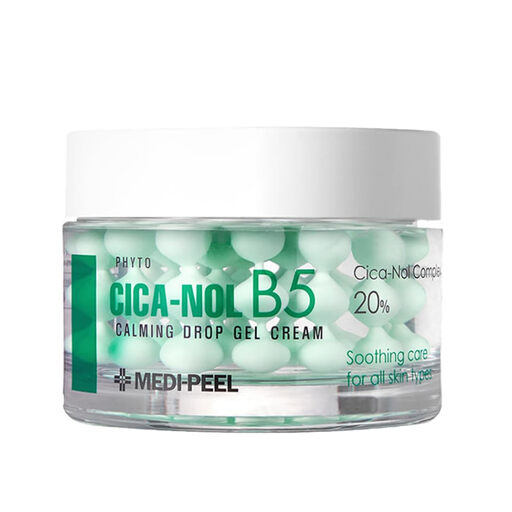
Why This Fits Their Persona: For users looking for more than just soothing effects. This cream aims to actively repair and strengthen the skin barrier. Its complex formula with peptides and ceramides is geared towards users with an advanced understanding of skincare ingredients.
This product demonstrates the value of a synergistic formulation. It combines a cica complex and panthenol with skin-identical lipids (ceramides) and cell-communicating peptides. This goes far beyond the hype surrounding a single ingredient.
Multifunctional formula that addresses soothing, hydration, and barrier strengthening. According to the manufacturer, it contains 5 different ceramides and peptides.
We have compiled a complete, up-to-date list of products that fully meet these strict selection criteria and current regulations.
Yes, you can, but it may require adjusting your routine. In winter, when the air is drier, a gel cream alone might not be sufficient for some skin types. You can use it as a soothing serum under a richer, more occlusive cream to lock in moisture. Alternatively, you can mix a few drops of a non-comedogenic facial oil into your gel cream.
A cica cream is typically applied as the final moisturising step in your routine, after cleansing, toner, and any serums. Apply an appropriate amount to your face and neck and massage it in gently. Due to its calming properties, it's also excellent for targeted application on particularly irritated or red areas.
For purely dry skin types, which lack both moisture and lipids (oil), a gel cream is often not rich enough to serve as a standalone moisturiser. However, it can be used as an additional hydration booster under a nourishing cream to intensely hydrate the skin without feeling heavy.