
Lieferung heute & morgen

Qualitätsgarantie

Willkommens-Angebote freischalten: KOSTENLOSE Lieferung | Bis zu 80 % RABATT | Kostenlose 30-Tage-JoyPlus-Testphase
App herunterladen
A soothing gel for sensitive skin should provide hydration, spread easily and leave no heavy or sticky sensation after application. At the same time, skin condition, ingredients and texture can vary significantly. A gel designed for oily skin is not automatically suitable for dry, irritated areas. Likewise, a product with a botanical positioning may still contain fragrance or essential oils.
This selection guide from the Joybuy Product Recommendation Officer explains which details matter before purchase and which products suit different usage profiles.
Aloe vera, cica and Centella asiatica are popular ingredients in soothing facial care. However, tolerability depends on more than the name of the active ingredient. Fragrance, essential oils, alcohol and declarable fragrance allergens can also play a role. If you have sensitive skin, check the complete INCI list rather than relying solely on the front of the packaging.
Menthol and other cooling substances can create a refreshing sensation on the skin. However, they are not automatically suitable for reddened or irritated facial skin. SOS Pain Stop Gel, for example, is intended for muscles and joints and does not belong in a facial skincare routine. A pleasant immediate sensation is therefore not enough to guide your choice.
A moisturising gel for sensitive skin may be sufficient for combination or oily skin. For dry areas or a weakened skin barrier, applying a cream afterwards may be beneficial. The key factors are your skin type, the season, the indoor climate and the other products in your routine.
Check whether the product is described as suitable for sensitive, reddened, oily or combination skin. A face gel for redness may address different needs from a rich moisturiser for dry skin. If you are prone to blemishes, also check whether the texture is lightweight and whether it contains potentially comedogenic ingredients. No blanket statement about individual tolerability is possible.
The order of ingredients in the list may provide an indication of their relative concentration, but it does not replace an individual tolerability assessment. If you have known allergies, check the product details and packaging carefully.
For a handbag or travel, 15 to 30 ml is practical. Larger formats such as 75 or 210 ml may be more economical for daily use but require more storage space. Also check:
A new product should initially be tested on a small area of skin. Discontinue use if redness, stinging or a rash persists. If you experience any concerns, consult a dermatology professional.
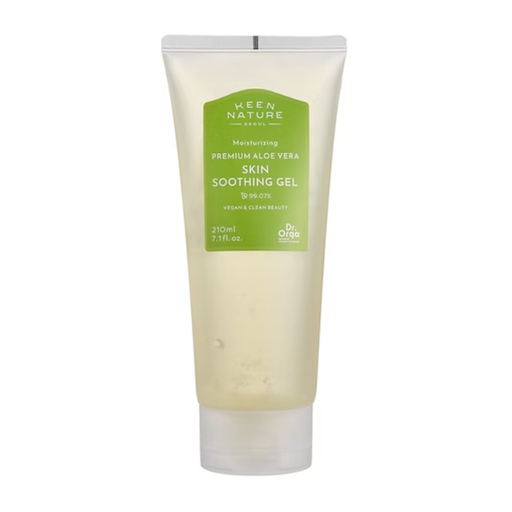
Why this product suits the profile: The generous size is well suited to regular use at home. The product description lists aloe vera leaf extract, glycerin and Centella asiatica.
Despite its natural positioning, the ingredients list should still be checked. This helps avoid equating “aloe vera gel” with complete freedom from irritation.
210 ml; gel texture; aloe vera and Centella asiatica extracts according to the product information.
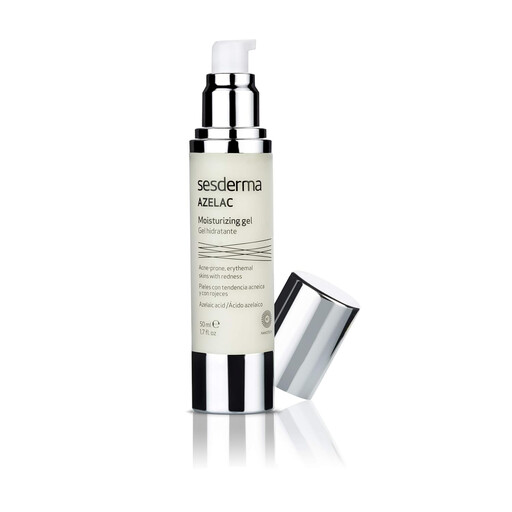
Why this product suits the profile: According to the product description, this 50 ml gel is intended for sensitive, reddened, oily and combination skin. It contains azelaic acid, niacinamide, hyaluronic acid and panthenol.
The complete INCI list includes fragrance, benzyl salicylate, citronellol and linalool, among other ingredients. This should be taken into account before purchase if you are sensitive to fragrance.
50 ml; lightweight gel consistency; combination of azelaic acid, niacinamide and sodium hyaluronate according to the declaration.
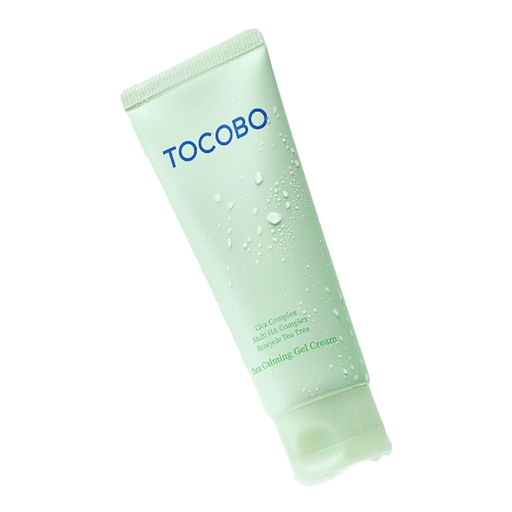
Why this product suits the profile: This gel cream for sensitive skin is intended for use in the morning and evening. Its formulation contains cica, panthenol, ceramide NP and several forms of hyaluronic acid.
The term “cica” does not replace a review of the rest of the formulation: the product information also lists fragrance. This is relevant for fragrance-sensitive users or anyone with known fragrance reactions.
75 ml; fast-absorbing gel cream; cica, ceramides and hyaluronic acid according to the product information.
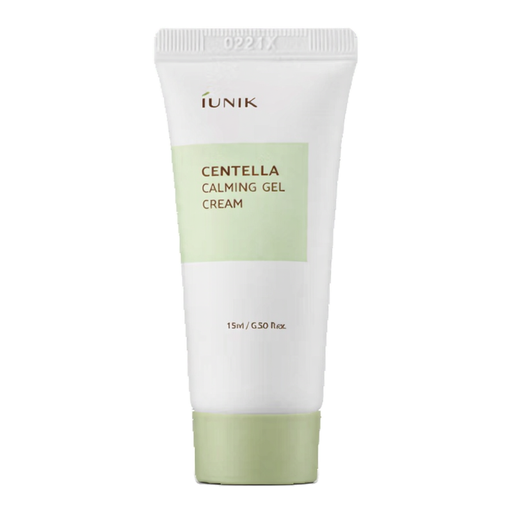
Why this product suits the profile: The mini format is ideal for travel, a gym bag or cautiously trying out a new gel cream.
The small volume reduces the risk of being left with an unsuitable product for an extended period. However, the stated formulation also contains tea tree leaf water and should be assessed individually.
15 ml; Centella asiatica and tea tree leaf water according to the product description; compact for travel.
We have compiled a complete, regularly updated list of products that fully meet these strict selection criteria and the safety regulations applicable in the EU.
Apply the gel to dry skin after cleansing. A small amount is usually enough for the face and neck; always follow the manufacturer’s specific instructions. On oily skin, the gel may be used on its own in the morning. For dry cheeks, an additional cream may be applied. New active ingredients such as azelaic acid, niacinamide or tea tree products should not be introduced at the same time as several other active products. During the day, suitable sun protection should be part of your routine.
That depends on the complete formulation and your individual tolerability. Products containing cica, aloe vera and panthenol are often chosen for lightweight care. If you are sensitive to fragrance, avoid products containing perfume or declarable fragrance allergens. Persistent or severe redness should be assessed by a dermatology professional.
The key factors are the open-jar symbol on the packaging, the best-before date and the manufacturer’s storage instructions. Close tubes and dispensers after every use and store them in a dry place away from direct heat and sunlight. If the smell, colour or consistency changes, discontinue use.
A lightweight gel texture can feel comfortable on oily or blemish-prone skin. However, suitability depends on the complete formulation. Check the ingredients, application instructions and stated skin-type recommendations. If your skin feels tight, an additional moisturiser may be beneficial, provided it remains lightweight.