
Lieferung heute & morgen

Qualitätsgarantie

Willkommens-Angebote freischalten: KOSTENLOSE Lieferung | Bis zu 80 % RABATT | Kostenlose 30-Tage-JoyPlus-Testphase
App herunterladen
A soothing moisturiser for sensitive skin should provide hydration without causing stinging, tightness or leaving a greasy film. However, choosing the right product for reddened, dry or blemish-prone skin is not simply a question of texture. The complete INCI list, fragrance ingredients and intended use also play an important role.
Plant extracts such as Cica, Heartleaf and Aloe are often promoted as particularly mild. However, this alone says little about individual skin tolerance. Plant-based ingredients can also trigger reactions in sensitive skin. That is why the complete ingredients list matters more than just one highlighted hero ingredient.
A lightweight gel cream usually absorbs quickly and works well under make-up. However, it may not contain enough replenishing ingredients for very dry skin. Conversely, rich creams can feel heavy on oily or blemish-prone skin. The right face cream for sensitive skin should therefore suit both your skin condition and the time of year.
Marketing terms such as “soothing”, “hypoallergenic” or “non-comedogenic” should be considered alongside the specific product description. “Non-comedogenic” describes a product characteristic, but does not guarantee that everyone will tolerate the product without problems. Before using it for the first time, a patch test on a small area of skin is recommended.
The following ingredients may be relevant in a moisturiser for sensitive skin:
For highly reactive skin, a fragrance-free face cream is often a sensible choice. You should also check whether the product contains alcohol, essential oils or a high number of fragrance ingredients. The ingredients list on the packaging is always the key reference, as formulations may change.
A lightweight gel cream is often suitable for:
A richer cream or lotion may be better suited to dry body skin, rough areas or a compromised skin barrier. You do not necessarily need to use the same products on your face and body.
Airless packaging can reduce the formulation’s contact with air and fingers. Tubes are practical for targeted application and when travelling. For body lotions, pump bottles containing 250 or 400 ml often offer a better balance between quantity and everyday convenience. Also check the expiry date, batch number and period after opening.
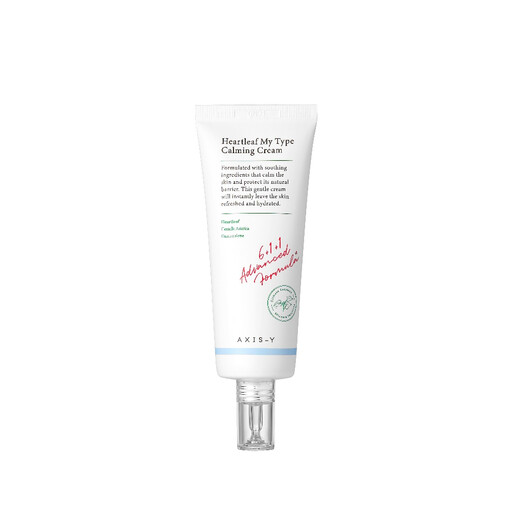
Why this product suits the profile: The 60 ml gel cream is designed for lightweight facial application and can be used morning and evening as the final step in your skincare routine. According to the product information, it contains Heartleaf extract, Centella asiatica, glycerin, hyaluronic acid and allantoin.
The water-based, fast-absorbing texture is an alternative to rich creams, which can feel uncomfortable on oily skin. However, you should still check the current INCI list before buying.
60 ml, lightweight gel cream, several humectants, and a formulation described as vegan and cruelty-free.
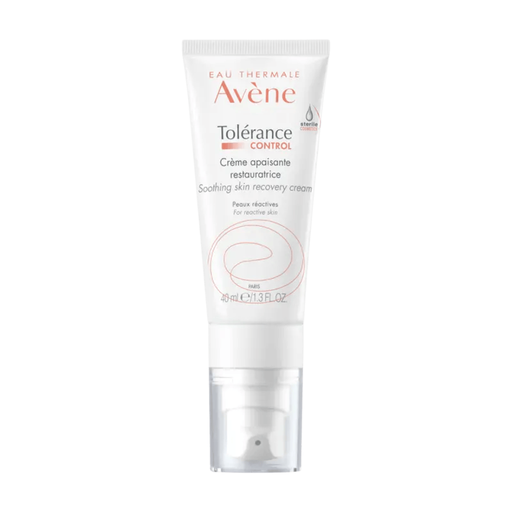
Why this product suits the profile: According to the product information, this 40 ml cream is intended for hypersensitive, reactive and intolerant skin. It is fragrance-free, preservative-free and described as non-comedogenic.
The product description specifies exclusions such as fragrance ingredients and preservatives. This makes it easier to assess, but does not replace an individual tolerance test.
Fragrance-free formulation, 40 ml, airtight packaging according to the product description, and suitability for normal to combination skin.
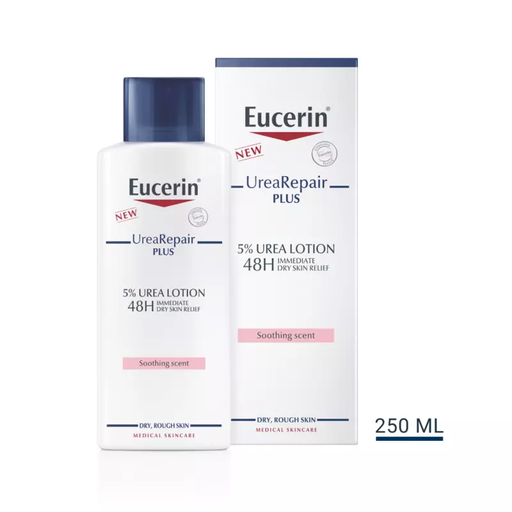
Why this product suits the profile: According to the product information, this 250 ml lotion is intended for dry, rough and sensitive body skin. It contains 5% urea and ceramides and is designed for daily use.
The clearly stated 5% urea content makes it easier to assess compared with products that simply advertise “intense hydration”. This lotion is not automatically the right choice for the face.
250 ml, defined urea content, ceramides and a fast-absorbing body lotion according to the product description.
We have put together a complete, regularly updated list of products that fully meet these strict selection criteria and the safety regulations applicable in the EU.
Apply the cream after cleansing, to slightly dry or still slightly damp skin. Start with a small amount and only increase it if needed. In the morning, use separate sun protection if you will be exposed to the sun for an extended period. After shaving, opt for skincare without strongly fragranced ingredients if your skin reacts sensitively to them.
If you use dermatological acne treatments, avoid introducing new skincare products at the same time as several exfoliants, retinoids or highly concentrated active ingredients. If persistent stinging, swelling, a rash or a noticeable worsening occurs, stop using the product and seek dermatological advice.
A moisturiser for redness should contain as few potentially irritating ingredients as possible. Depending on your skin’s tolerance, fragrance-free formulations with glycerin, panthenol, allantoin, ceramides or selected plant extracts may be suitable. Any existing or recurring skin condition should be assessed by a doctor.
A gel cream may be enough for slightly dry or combination skin. If you experience significant tightness, rough areas or dry body skin, a richer lotion is often more suitable. Start by testing a small amount and observe your skin over several applications.
The printed best-before date and the open-jar symbol showing the recommended period of use, such as “12M”, are the key points of reference. If the smell, colour or consistency changes, the product should no longer be used. Store creams in a dry place, tightly closed and protected from direct sunlight.