
Lieferung heute & morgen

Qualitätsgarantie

Willkommens-Angebote freischalten: KOSTENLOSE Lieferung | Bis zu 80 % RABATT | Kostenlose 30-Tage-JoyPlus-Testphase
App herunterladen
Sensitive skin does not always react in the same way: after cleansing, it may feel tight, look red around the cheeks or be prone to blemishes on the forehead and chin at the same time. A soothing moisturiser for sensitive skin should therefore provide moisture without feeling unnecessarily heavy or overcomplicating your daily skincare routine.
Before buying, it is worth taking a close look at the formula, texture and application. Marketing terms such as “soothing”, “for all skin types” or “barrier care” do not replace checking the ingredients list.
Centella, hyaluronic acid and ceramides are often prominently advertised. However, the full formula is what matters. A Centella cream may also contain fragrances, essential oils or numerous botanical extracts, which are not equally well tolerated by every sensitive skin type. A hyaluronic acid cream is not automatically rich and nourishing either: the texture and other humectants largely determine how it feels on the skin.
A lightweight gel cream may spread pleasantly and absorb quickly, but it may not provide enough nourishment for very dry skin. Conversely, rich creams may feel too heavy on blemish-prone skin. Terms such as “non-comedogenic” should be understood as a product claim made by the brand, not as a guarantee for every individual skin reaction.
Cosmetic products care for the skin’s surface. They are not a substitute for a dermatological diagnosis or treatment. If you experience persistent stinging, severe itching, weeping areas or a noticeable deterioration, stop using the product and seek medical advice.
For dry or tight-feeling skin, glycerin, panthenol, betaine, sorbitol and hyaluronic acid are typical humectants. They help provide moisture to the skin’s surface. A ceramide cream may also contain ceramides, squalane or skin-identical lipids. This combination is particularly interesting if your skin feels dry or stressed by external factors.
For skin that appears red or reacts quickly, many shoppers look for a moisturiser for redness. Centella asiatica, heartleaf or Houttuynia cordata, allantoin and liquorice root extract are often used in these types of formulas. However, their presence does not guarantee a therapeutic effect.
If you are looking for a facial cream for sensitive skin, you can specifically filter for “fragrance-free” or “unscented”. This reduces a possible additional source of irritation, but does not completely rule out an individual intolerance. Also check the current INCI list on the packaging, as formulas can change.
A gel cream is usually lightweight, absorbs quickly and can be layered in the morning beneath sun protection or make-up. Lotions and emulsions sit somewhere in between, while rich creams may contain more lipids. For a cream for irritated skin, the rule is: do not apply to open, broken or severely inflamed skin unless the product instructions state otherwise.
Before using the product fully for the first time, it is advisable to carry out a patch test on a small area of skin. If you experience stinging, itching, a rash or increasing redness, stop using the product.
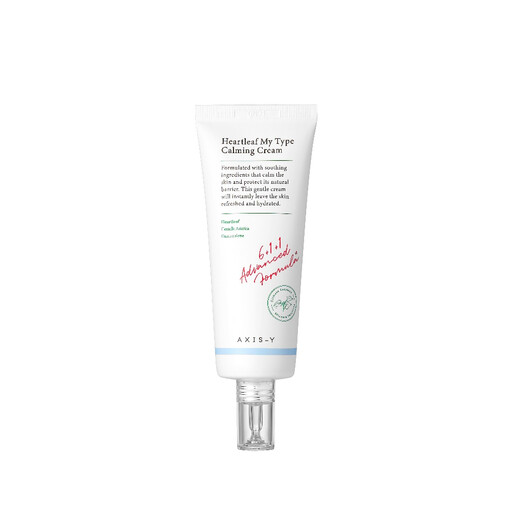
Why this product suits the profile: This 60 ml gel cream combines heartleaf extract, Centella asiatica, hyaluronic acid and allantoin. According to the product details, it is vegan-certified, cruelty-free and tested for skin compatibility.
The water-based gel cream focuses on a concise, clearly described selection of moisturising and conditioning ingredients rather than a heavy finish.
Lightweight texture, 60 ml contents, plus sodium hyaluronate and glycerin in the INCI list.
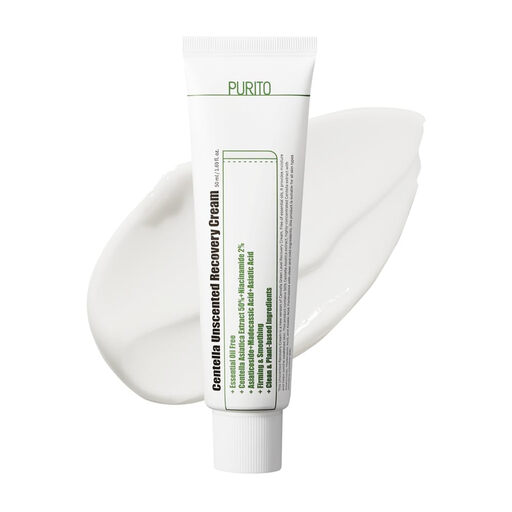
Why this product suits the profile: This fragrance-free cream contains Centella asiatica, niacinamide, ceramide NP and squalane. It is aimed at shoppers looking for a clearly specified combination of moisturising skincare and skin barrier care.
“Unscented” and the specifically listed lipids make it easier to choose when you want to avoid fragrances or a purely water-based texture.
Fragrance-free formula according to the product description, ceramide NP and 50 ml contents.
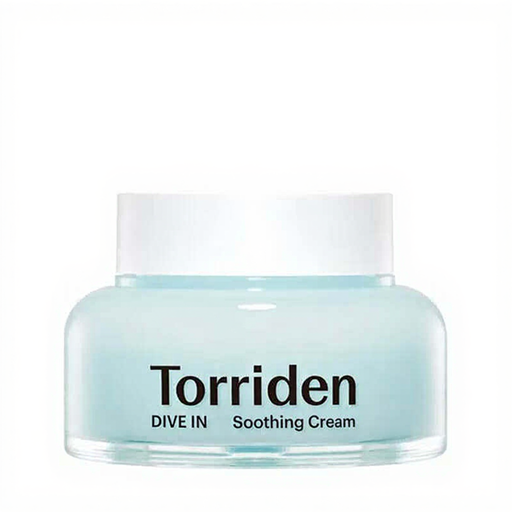
Why this product suits the profile: This 100 ml cream is interesting for users who regularly use a hyaluronic acid cream and prefer a larger size. According to the product details, it contains several forms of hyaluronic acid, panthenol and allantoin.
The product details specify the active ingredient group and the pack size. This makes it easier to match your choice to your usage and preferred texture.
100 ml contents and several listed hyaluronic acid variants in a lightweight skincare formula.
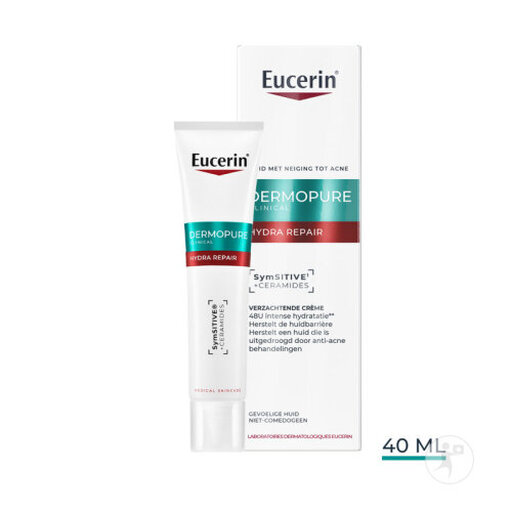
Why this product suits the profile: This fragrance-free cream contains glycerin, panthenol, squalane and ceramide NP, among other ingredients. According to the product description, it is intended for sensitive and blemish-prone skin.
The information about fragrance-free status, skin type and ingredients is clearly separated. This makes checking easier when you are looking for a pared-back, fragrance-free skincare product.
Fragrance-free formula according to the product details, 40 ml tube and ceramide NP in the INCI list.
We have put together a complete, regularly updated list of products that fully meet these strict selection criteria and the safety regulations applicable in the EU.
Several highly active products, harsh exfoliants or concentrated acids should not be introduced at the same time as a new soothing facial cream. This makes it easier to identify the cause of any potential reaction.
A lightweight, fast-absorbing formula containing glycerin, hyaluronic acid, panthenol or allantoin may be a sensible choice. With a cream for blemished and sensitive skin, you should also consider your individual tolerance, the texture and the complete INCI list. No product can guarantee protection against blemishes.
Both ingredient groups perform different functions in cosmetic formulas. Hyaluronic acid is mainly used as a humectant, while ceramides are part of lipid-based care for the skin barrier. Depending on your skin’s condition, a combination may be beneficial. The formula, application and your individual tolerance remain key.
The printed best-before date and the symbol indicating the period after opening are the decisive factors. Store the cream in a cool, dry place away from direct sunlight. If its smell, colour or consistency changes, stop using the product.