
Lieferung heute & morgen

Qualitätsgarantie

Willkommens-Angebote freischalten: KOSTENLOSE Lieferung | Bis zu 80 % RABATT | Kostenlose 30-Tage-JoyPlus-Testphase
App herunterladen
Sensitive skin often reacts to too many skincare steps, fragrances, changing products or an unsuitable texture. Feelings of tightness, dryness and visible redness can then lead to repeatedly buying new creams in the short term. A soothing face cream for sensitive skin should therefore be chosen based not solely on advertising claims, but on its formulation, your skin type and how you plan to use it.
Plant oils and essential oils can be part of pleasant skincare. However, they are not automatically problem-free for reactive skin. Some formulations, for example, contain lavender, sage, orange or other fragrance oils. If you are looking for a face cream for sensitive skin, you should therefore check the full INCI list rather than focusing only on terms such as “botanical” or “clean”.
Dry skin often benefits from a creamier texture containing skin-conditioning lipids. On oily or blemish-prone skin, however, a heavy formulation can feel uncomfortable. A lightweight gel cream is often better suited to warm, humid days or for use under make-up. Claims such as non-comedogenic face cream should be treated as a guide; individual skin reactions can still vary.
A cosmetic cream can provide moisture and improve how your skin feels. It is not a substitute for a dermatological diagnosis or medical treatment. If you experience persistent stinging, severe flaking, weeping patches or increasing redness, you should have the cause assessed by a doctor. A cream for redness should not be viewed as a guaranteed solution for a skin condition either.
Several groups of active ingredients are relevant for daily skincare:
An ingredient’s position in the INCI list is a useful indication, but it does not allow you to make a reliable judgement about its individual effects. If you experience frequent reactions, a patch test on a small area of skin is recommended.
A hypoallergenic face cream is generally formulated with a reduced risk of allergies in mind. However, this does not rule out an allergic reaction. “Fragrance-free” initially means that added fragrances are absent, while essential oils may appear separately in the ingredients list. If your skin is particularly reactive, you should check both claims and the current packaging.
A tube is hygienic and convenient to take with you. An airtight packaging system can also provide additional protection against repeated exposure to air. The following questions are also useful when choosing a product:
Shelf life is determined by the best-before date printed on the packaging or by the Period-after-Opening symbol. The specific INCI list may change depending on the production batch.
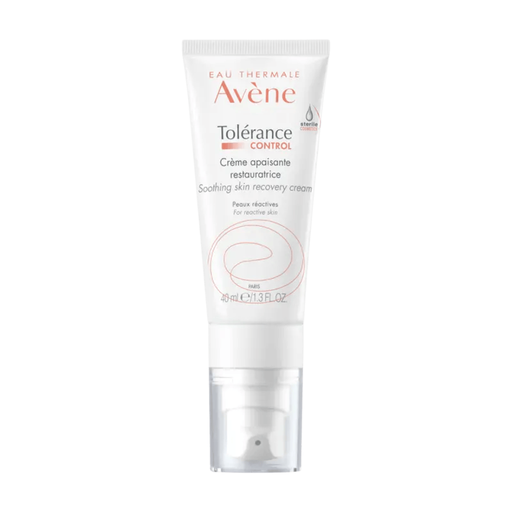
Why this product suits this profile: According to the manufacturer, the formulation is fragrance-free, preservative-free and non-comedogenic. The airtight packaging is designed for sensitive, reactive skin.
The fragrance-free and preservative-free labelling makes it easier to choose a product for highly reactive skin.
40 ml content, airtight packaging and claims regarding suitability for hypersensitive skin.
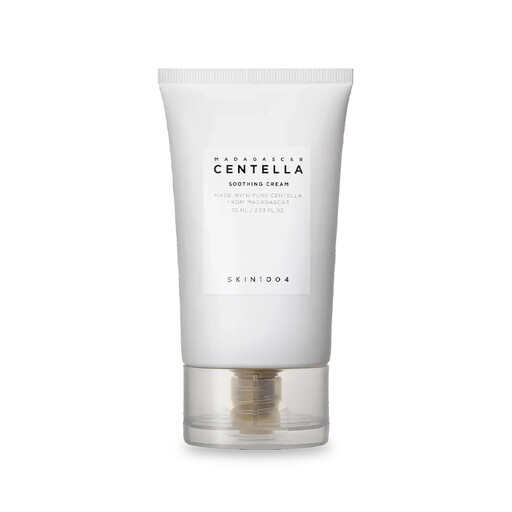
Why this product suits this profile: The cream combines Centella extract with several ceramides, cholesterol and fatty acids. This makes it suitable for refreshing, non-greasy everyday skincare.
The gel-like texture spreads quickly, offering an alternative to very occlusive creams for everyday use.
75 ml content and a ceramide-based composition designed to support the skin barrier.
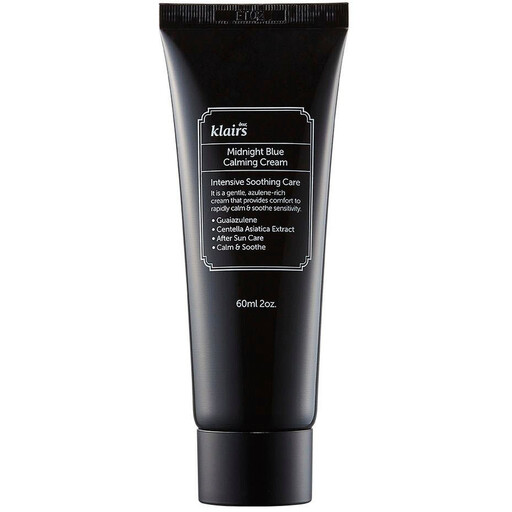
Why this product suits this profile: According to the product description, the concentrated cream can be applied to specific areas or across the whole face. The INCI list includes guaiazulene, Centella asiatica, ceramide NP and nourishing oils.
The option of targeted application means richer care does not have to be spread over large areas of oily skin.
60 g content and flexible use as targeted care or a face cream.
We have compiled a complete, regularly updated list of products that fully meet these strict selection criteria and the safety regulations applicable in the EU.
After gentle cleansing, a small amount is usually enough on slightly dry or still minimally damp skin. Spread the cream without applying heavy pressure. If your skin is dry, applying a second thin layer to areas that feel particularly tight may be helpful. In the morning, you should also use a suitable sun protection product.
New products should not be introduced at the same time as several acids, exfoliants or highly active skincare products. This makes it easier to see how your skin reacts to the soothing cream for irritated skin. Stop using the product if redness, itching or stinging occurs.
The key factors are a relatively straightforward formulation, a suitable texture and avoiding known personal triggers. Fragrance-free products can be a sensible starting point. If symptoms recur or are severe, you should seek a dermatological assessment.
The best-before date and the symbol indicating the period of use after opening are the deciding factors. Changes in smell, colour or consistency are signs that you should stop using the product. Tubes and airtight dispensers make hygienic application easier.
That depends on your skin’s moisture and lipid needs. A gel cream may be enough for mild dryness or during summer. If you experience significant tightness, a richer formulation containing ceramides, squalane or shea butter may feel more comfortable. Individual tolerability is what matters, not the product category alone.