
Lieferung heute & morgen

Qualitätsgarantie

Willkommens-Angebote freischalten: KOSTENLOSE Lieferung | Bis zu 80 % RABATT | Kostenlose 30-Tage-JoyPlus-Testphase
App herunterladen
Sensitive skin doesn’t always react in the same way. Tightness can be caused by dry indoor air, while cold weather, shaving or unsuitable ingredients can lead to redness. Finding the right skincare can also feel overwhelming if you have atopic skin, atopic dermatitis, rosacea or a skin barrier that’s been affected by acne treatments.
As Joybuy Product Recommendation Officer, I cut through the marketing claims to focus on the most important buying criteria. A soothing face cream for sensitive skin should do more than feel pleasant on your skin: it should also suit your skin’s condition, how you plan to use it and your ingredient preferences.
‘Hypoallergenic’ describes a formula designed to reduce the risk of allergies, but it doesn’t guarantee that everyone will tolerate it. Plant extracts, oils and certain preservatives can also trigger reactions in some people.
That’s why it’s worth checking the INCI list when choosing a fragrance-free face cream. Fragrances, essential oils and alcohol can be problematic for some skin types, while others can use them without any issues.
A cream with a high lipid or oil content can be useful for very dry skin. However, a very rich texture may feel uncomfortable on combination or blemish-prone skin. If you’re looking for a moisturiser for sensitive skin, it helps to distinguish between humectants such as glycerin and more protective ingredients such as waxes, oils or silicones.
Terms such as skin barrier face cream or skin repair cream usually refer to cosmetic care for the skin’s surface. They’re not a substitute for a dermatological diagnosis or treatment. If symptoms are weeping, severely inflamed or keep coming back, seek medical advice.
For a face cream for irritated skin, formulas with a shorter ingredient list can be easier to assess. Glycerin helps the skin retain moisture. Ceramides are components found in the skin barrier. Dimethicone, mineral oils and waxes can form a protective film. Plant extracts such as centella or liquorice extract are often used in soothing skincare formulas, but they won’t suit everyone.
A fragrance-free formula may reduce the number of potential irritants. Check the packaging, as formulas can change.
The Decubal product lists a lipid content of 38 per cent. This is an objective formulation detail, but on its own it doesn’t tell you whether the product will suit your skin.
Face creams are usually applied morning and evening to clean, dry skin. If your skin is reactive, test a small amount on a limited area first. Avoid the eye area and broken skin unless the product information says otherwise.
Packaging matters too: tubes reduce direct contact with the product. An airtight packaging system can be a practical feature for sensitive skin and formulas with fewer preservatives. Always follow the expiry date and storage instructions on the packaging.
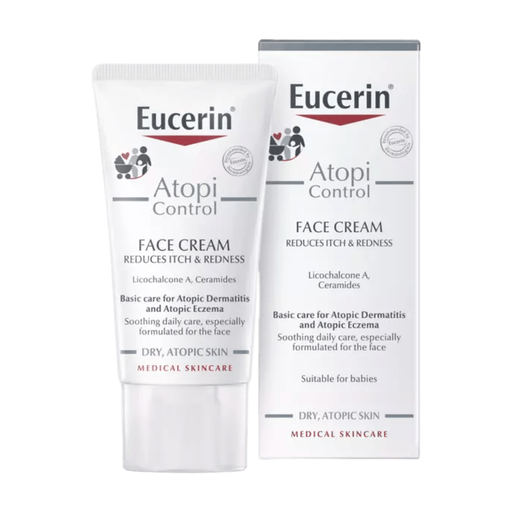
Why this product suits this skin profile: The 50 ml tube is designed for daily use on the face and neck. The INCI list includes glycerin, ceramide NP, grape seed oil and evening primrose oil.
The product description recommends applying it morning and evening and clearly states that it’s for external use only. This makes it easy to work into your routine.
Glycerin to help moisturise, ceramide NP and a handy 50 ml size for the face.
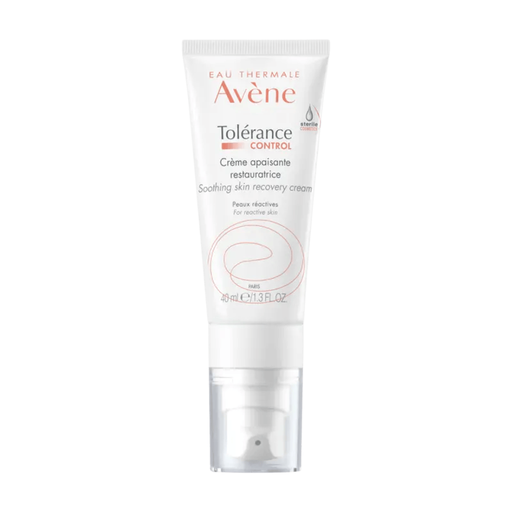
Why this product suits this skin profile: The cream is described as skincare for hypersensitive and reactive skin. It’s fragrance-free and preservative-free, and comes in an airtight 40 ml system.
The specific claims that it’s fragrance-free and preservative-free are more useful than a general promise that it’s gentle.
Fragrance-free formula, airtight packaging, and squalane and glycerin in the ingredients list.
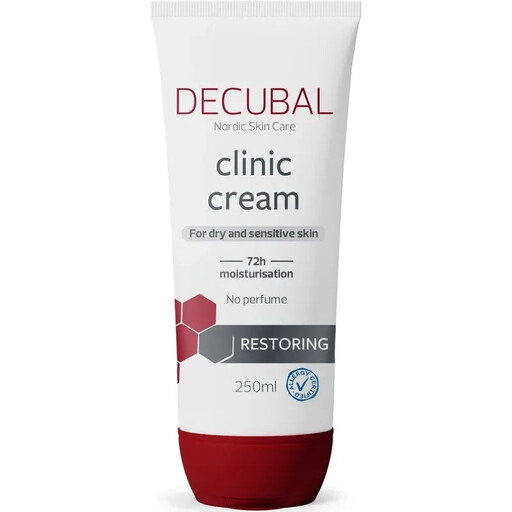
Why this product suits this skin profile: The 250 g size and stated suitability for the face and body make it a practical choice for households looking to use a rich moisturising cream regularly on several dry areas.
Its stated lipid content of 38 per cent gives you a clearer idea of how rich it is than a vague label such as ‘intensive’.
A 250 g size, with glycerin, lanolin and dimethicone in the stated formula; according to the product description, it’s fragrance-free and colourant-free.
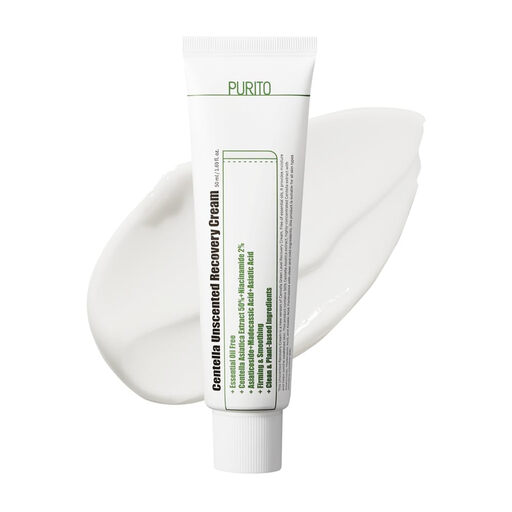
Why this product suits this skin profile: The product description says the cream has a lightweight texture designed for combination skin. The formula contains centella asiatica extract, niacinamide, ceramide NP and squalane.
The ‘unscented’ label and specific ingredients list can help you avoid skincare that’s unnecessarily heavy or fragranced.
Positioned as a lightweight, fragrance-free product, with ceramide NP and squalane as ingredients in the formula.
An anti-redness cream can be part of your daily skincare routine, but it won’t necessarily be suitable for every cause of redness. If you’ve been diagnosed with atopic dermatitis or rosacea, discuss your choice with a dermatology practice or pharmacy. You can find more suitable products in the Atopic dermatitis moisturising cream category.
We’ve put together a complete, regularly updated list of products that meet these strict selection criteria and fully comply with the safety regulations in force in the EU.
For very dry skin, richer formulas containing glycerin, oils, lipids, dimethicone or waxes may be worth considering. However, how a cream feels on your skin and whether you tolerate it are what matter most. A cream with a high lipid content won’t necessarily suit combination skin.
Going fragrance-free can be a good idea if your skin reacts to fragrance or you want to keep your skincare routine as gentle as possible. But it doesn’t mean that fragrance-free products are better for every skin type. It’s still important to check the full ingredients list and test the product carefully.
It depends on the product. Check the best-before date and the symbol showing how long the product can be used after opening, such as ‘12M’. Store the cream according to the manufacturer’s instructions and stop using it if its smell, colour or consistency changes.