
Lieferung heute & morgen

Qualitätsgarantie

Willkommens-Angebote freischalten: KOSTENLOSE Lieferung | Bis zu 80 % RABATT | Kostenlose 30-Tage-JoyPlus-Testphase
App herunterladen
The integrated speakers in modern flat-screen TVs are often a compromise. A slim design leaves little room for powerful drivers, resulting in thin sound, unintelligible dialogue, and a lack of bass. A soundbar for TV is an effective solution to significantly upgrade the audio experience in your living room. However, the market is overwhelming and filled with marketing promises that don't always deliver.
As your Joybuy Product Recommendation Officer, I'm here to help you distinguish the important features from the trivial ones. This guide will show you the most common pitfalls to avoid and which technical parameters you should really focus on to make an informed decision for your home cinema.
Many buyers focus on high wattage numbers or a long list of features, but the real weaknesses are often in the details. Pay attention to these three points to avoid disappointment.
Instead of being swayed by marketing buzzwords, you should concentrate on two core technical aspects that determine the performance and future-readiness of your soundbar.
The channel configuration (e.g., 2.1, 3.1, 5.1.2) reveals the system's structure.
For a modern soundbar for TV, an HDMI eARC port is essential. It offers crucial advantages:
Bluetooth speaker for TV functionality is also convenient for streaming music directly from a smartphone or tablet, but it should not be the primary connection to the television.
Instead of making a one-size-fits-all recommendation, we have selected models that cater to specific needs and room situations.
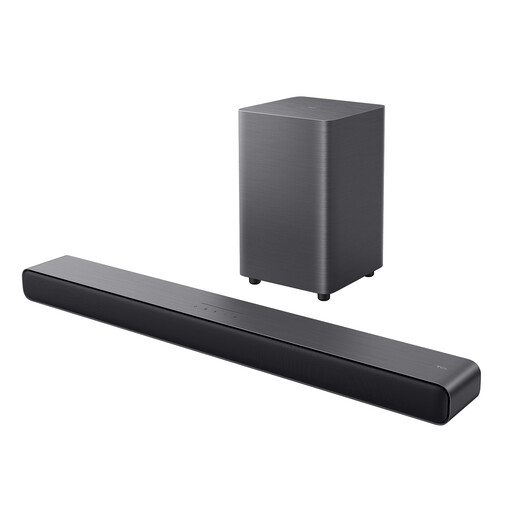
Why This Fits Their Persona: Ideal for users seeking a straightforward and significant sound upgrade. The 2.1 system with a separate subwoofer delivers noticeably more bass and clarity than any TV speaker without breaking the bank.
This system is an honest 2.1 setup and doesn't promise unrealistic surround sound. It features HDMI eARC, thus avoiding the connectivity pitfall.
Simple installation thanks to the wireless subwoofer. Supports virtual Dolby Atmos and DTS Virtual:X playback for a wider soundstage.
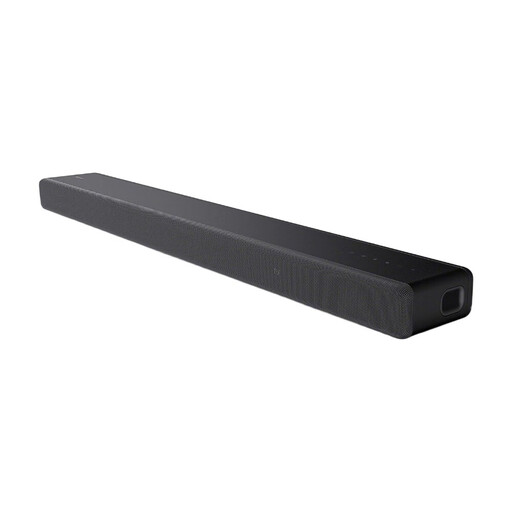
Why This Fits Their Persona: Perfect for anyone who values a clean setup and lacks space for an external subwoofer. The all-in-one design still delivers powerful sound and clear dialogue.
Solves the "subwoofer mismatch" problem in small rooms with two integrated subwoofers. The automatic room calibration optimises the sound for the specific environment.
Compact 3.1 channel system with a dedicated centre channel for excellent speech clarity. Supports Dolby Atmos and is optionally expandable with wireless rear speakers.
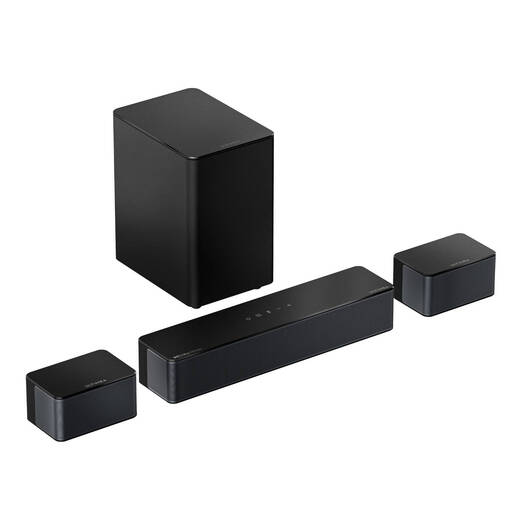
Why This Fits Their Persona: For film and gaming fans seeking an authentic surround experience. This complete package delivers true 5.1 sound with dedicated speakers for precise effect placement.
Bypasses the "virtual" sound pitfall by using physical surround speakers. It's a true 5.1 surround sound system that delivers on its promise.
A complete home cinema system with Dolby Atmos, a wireless subwoofer, and wired surround speakers for an immersive audio experience at an attractive price.
We have compiled a complete, up-to-date list of products that fully meet these strict selection criteria and UK safety regulations.
Whether a Dolby Atmos soundbar is worth it largely depends on your viewing habits. If you frequently watch movies and shows on streaming services like Netflix, Disney+, or Amazon Prime Video, or play modern video games, the added value is clearly audible. The technology creates a three-dimensional sound field that immerses you deeper into the action. For simply watching the news or traditional TV programmes, the effect is less pronounced.
The recommended method is to connect via an HDMI cable to the HDMI eARC port on both your TV and soundbar. This guarantees the highest audio quality and allows you to use a single remote for control. If your TV does not have an eARC port, an optical digital cable is a good alternative, though it will transmit compressed audio signals.
For a complete home cinema experience, a soundbar with a subwoofer is highly recommended. A TV's internal speakers, and even many soundbars without a dedicated woofer, cannot adequately reproduce the low frequencies that are crucial for explosions in movies or the bass in music. A subwoofer provides the tangible foundation and emotional depth of the sound.