
Lieferung heute & morgen

Qualitätsgarantie

Willkommens-Angebote freischalten: KOSTENLOSE Lieferung | Bis zu 80 % RABATT | Kostenlose 30-Tage-JoyPlus-Testphase
App herunterladen
Anyone looking for Soundcore Bluetooth headphones will find numerous models for music, phone calls, commuting and sport. Product names often sound similar, but the differences in design, noise control and battery life can be significant. The key consideration is therefore not the longest possible feature list, but rather this question: which features genuinely suit your everyday routine?
Noise-cancelling headphones reduce certain ambient sounds, particularly consistent low-frequency noise such as train or engine sounds. Voices, sudden rattling and other changing noises may still be audible. Figures such as “up to 98%” refer to measurements taken under specific conditions for individual Soundcore models and cannot automatically be applied to every everyday situation.
If you are out and about in traffic, you should also bear in mind that strong noise cancellation can limit your awareness of your surroundings. When walking, cycling or in areas where extra attention is required, follow the manufacturer’s guidance and local regulations.
Advertised battery life is often measured without ANC enabled, at moderate volume and with a fully charged charging case. With noise cancellation switched on, high volume levels or frequent phone calls, actual usage time may be shorter. For commuters and travellers, it is worth looking at two figures:
Fast charging is also convenient, but it does not replace proper charging plans on longer journeys.
In-ear headphones sit in the ear canal and can create a seal when fitted correctly. Open-ear headphones, on the other hand, sit on or over the ear and allow you to remain more aware of your surroundings. Over-ear headphones surround the ear, are generally larger and may offer more effective isolation during longer listening sessions.
A model with lots of features is not automatically comfortable. Ear hooks, ear cushions, weight and clamping pressure should suit your individual use. For sports headphones, a secure fit is more important than an especially compact form factor.
In-ear headphones such as the Soundcore Liberty range are suitable for commuting, travelling and compact storage. Interchangeable ear tips can affect the fit. For sport, models with ear hooks are a possible option if standard earbuds tend to slip out.
Open-ear headphones such as AeroFit 2 or AeroClip sit outside the ear canal. They are suitable for everyday use, walks and situations where you need to remain aware of surrounding sounds. However, they provide limited isolation from loud forms of transport.
Over-ear headphones such as Space One Pro or Space Q45 cover the ear. They are worth considering for longer periods of listening to music or working, but require more storage space. Check whether the model folds and whether the ear cups provide enough room.
A newer Bluetooth version alone does not guarantee better sound quality. More important are the supported profiles, device compatibility and features such as Multipoint, which make it easier to use two devices alternately.
For detailed wireless playback, Hi-Res Audio and LDAC may be relevant. Both the headphones and the smartphone or tablet must support the respective codec. LDAC can also increase energy consumption. If you mainly listen to podcasts or make phone calls, you may not need this feature.
Look for realistic figures for the mode you want to use. The Soundcore H30i, for example, is advertised with up to 70 hours of playback, while the Space One is stated to offer up to 40 hours with ANC and up to 55 hours without ANC. Such figures should always be considered in the context of the relevant operating mode.
For sport and changeable weather, an IP rating can provide useful guidance. IP55, for example, means limited protection against dust and protection against water jets; it does not mean complete waterproofing. The headphones should be cleaned after training and dried in accordance with the manufacturer’s instructions.
For clear phone calls, multiple microphones and voice processing are helpful. However, call quality also depends on wind, the distance from your smartphone, the network connection and the app being used.

Why this product suits this profile: These on-ear headphones are aimed at users looking for Bluetooth headphones for music, videos and occasional phone calls. They offer Bluetooth 5.3, app control and a stated playback time of up to 70 hours.
The foldable design makes them easier to transport. The detachable ear cushions and weight of 183 grams provide specific indications of their suitability for everyday use.
Up to 70 hours of playback; Multipoint connection and adjustable equaliser via the app.
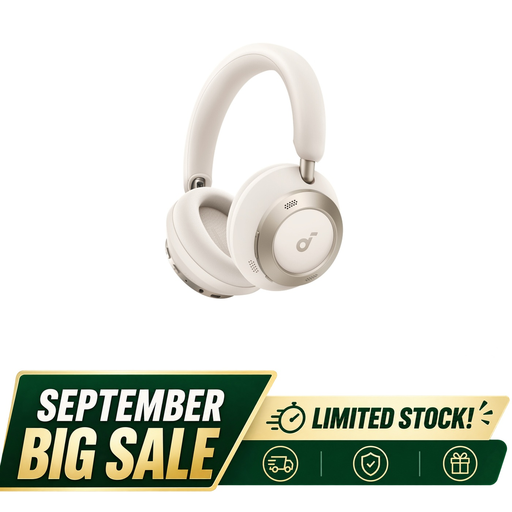
Why this product suits this profile: These over-ear headphones combine adaptive active noise cancellation, LDAC and a foldable design. They are designed for travel, the office and longer listening sessions.
The figures distinguish between up to 40 hours with ANC and 60 hours without ANC. This makes it easier to assess the expected usage.
Foldable FlexiCurve design; fast charging provides up to 8 hours of playback after 5 minutes, according to the product specifications.
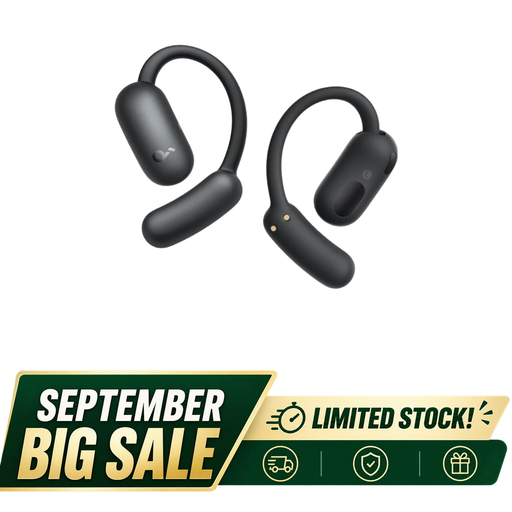
Why this product suits this profile: The open-ear design is ideal for sport, everyday use and phone calls when you want to remain aware of your surroundings. Adjustable ear hooks and Bluetooth 5.4 help provide a secure fit.
The open design avoids buying a heavily isolating model for situations where ambient sounds are important. The IP55 rating should be understood as protection against sweat and splashing.
Up to 10 hours per charge and up to 42 hours with the charging case; LDAC support and wireless charging.
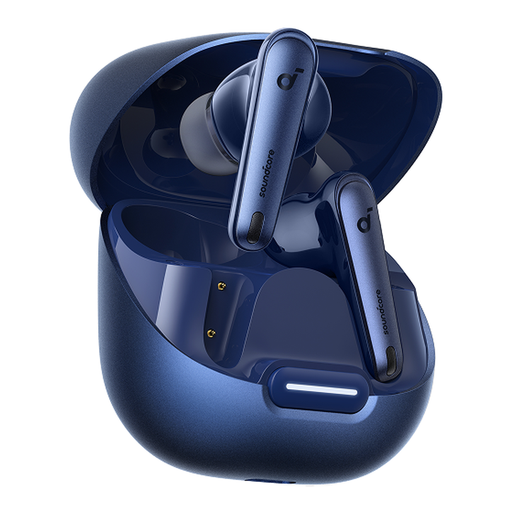
Why this product suits this profile: These wireless in-ear headphones combine adaptive noise cancellation with compact storage. They are well suited to train journeys, the office and daily commutes.
Battery life is stated separately: up to 10 hours in normal mode or up to 8 hours with ANC per charge. This prevents the maximum figure from being interpreted too generally.
LDAC and Hi-Res Audio; up to 50 hours with the case in normal mode, according to the product specifications.
We have put together a complete, regularly updated list of products that fully meet these strict selection criteria and the safety regulations applicable in the EU.
First, charge the headphones and charging case. Then open the Bluetooth settings on your smartphone, remove the headphones from the case and select the device name displayed. If you experience connection problems, it often helps to remove the pairing entry and set up the connection again.
Usage time depends on the battery, charging cycles, volume, temperature and charging habits. Long battery life does not automatically mean a longer overall product lifespan. Store the headphones in a dry place, clean the charging contacts carefully and avoid extreme heat. If the battery has swollen or there is visible damage, stop using the product.
Many models feature multiple microphones and algorithms that reduce background noise. However, call quality can still vary in windy conditions, heavy traffic or areas with a poor mobile connection. For regular phone calls, consider the number of microphones, reviews of voice transmission and compatibility with your preferred device together.