Hosts cooking several portions
If you’re cooking for several guests, compare the amount you plan to make with the maximum fill level for hot food. Philips lists a 1.2-litre jug for the HR2203/80, while DOMO gives the DO498BL a capacity of 1.6 l.


Start by choosing a model that can handle the amount you need per batch, then look for the right programme for smooth or chunky soup. Compare the maximum fill level for hot food, which may differ from the total capacity. For a potluck, you’ll also need a plan for keeping the soup hot or chilling and transporting it.
If you’re cooking for several guests, compare the amount you plan to make with the maximum fill level for hot food. Philips lists a 1.2-litre jug for the HR2203/80, while DOMO gives the DO498BL a capacity of 1.6 l.
If getting the consistency right matters more to you than making a larger batch, look for programmes for puréed soup and a manual blending function. Philips lists these features for the HR2203/80.
If you make the soup before setting off, plan how you’ll transport it and keep it until serving time. The German Federal Institute for Risk Assessment (BfR) recommends keeping heated food at a minimum of 60 °C throughout until it is eaten.
First, work out how much you need based on the maximum fill level for hot food. Then compare the consistency options and cleaning features. You’ll need a separate plan for transporting and storing the soup, whatever appliance you choose.
| Priority | What to check before buying | Who it matters most to |
|---|---|---|
| Amount per batch | Compare the amount of soup you plan to make with the model’s maximum fill level for hot food. | If I’m cooking for several guests, I want to know whether one batch will be enough or if I’ll need to make more. Around 33% of consumers put the amount per batch first. |
| Consistency | Check the purée and chunky soup programmes, as well as whether the exact model has a manual blending function. | If I want my soup to be smooth or deliberately chunky, the choice of programmes matters to me. Around 27% of consumers prioritise their preferred consistency. |
| Transport and storage | Decide in advance whether you’ll keep the soup hot until serving or transport it chilled. | If there’s a journey or a wait between cooking and eating, I want to keep an eye on the soup’s temperature. Around 20% of consumers prioritise taking food with them and storing it. The BfR recommends keeping food at a minimum of 60 °C throughout until it is eaten. |
| Cleaning | Check the cleaning programme, removable parts and dishwasher suitability separately for the exact model. | If I want to minimise handwashing after cooking, I check the care instructions before buying. Around 20% of consumers prioritise how much cleaning is involved. |
Krups lists a total capacity of 2.0 l for the Perfectmix Cook KB835D11, but gives a capacity of 1.4 l for hot dishes. The figure for hot food is the one to use when planning portions for guests.
Check the maximum fill level for the type of food you’re making, and plan to cook additional batches if needed.
Extra batches take more time.
A function that works during preparation doesn’t prove that the soup will stay hot enough on the way or at the venue.
Decide in advance how you’ll keep the soup hot until serving, or chill it quickly and transport it cold. When keeping food hot, the BfR recommends a minimum of 60 °C throughout until it is eaten.
Depending on your transport plans, you may need a suitable container and a separate way to keep the soup hot or chilled.
A cleaning programme or removable parts don’t automatically mean that every part is dishwasher-safe. Philips explicitly states that the HR2203/80 has no dishwasher-safe parts.
Check the instructions for the exact model to find out about its cleaning programme, removable parts and dishwasher suitability.
If the model has no dishwasher-safe parts, you’ll need to wash them by hand.
The SoupMaker HR2203/80 is designed for smaller amounts and lets you choose your soup’s texture.
The DO498BL is a dedicated soup maker with a capacity of 1.6 l.
The Perfectmix Cook KB835D11 is a cooking blender for making soups and a range of other hot and cold dishes.
The SVD 1400 Vera combines soup-making with programmes for things like plant-based drinks and porridge.
The 212040 is a soup maker for cooking, blending and stirring.
The appliances below list soup or a soup-maker function as one of their uses. Before buying, check the instructions to make sure the specific model is suitable for leek and potato soup and the amount you plan to make.
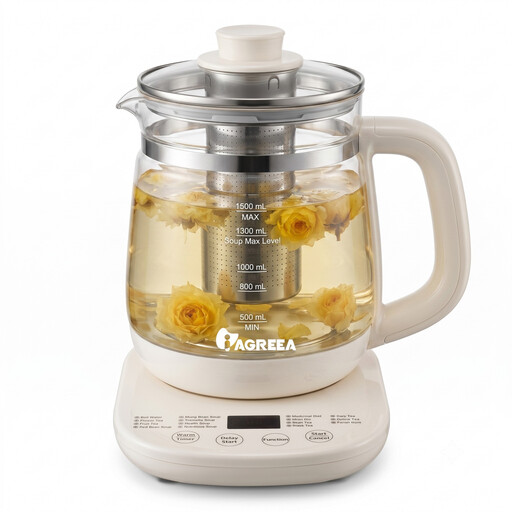 No image available
The product title lists soup as one of its uses; check the instructions to see whether it’s designed for making leek and potato soup.
1.5 l capacity; 14 preset programmes; six temperature settings.
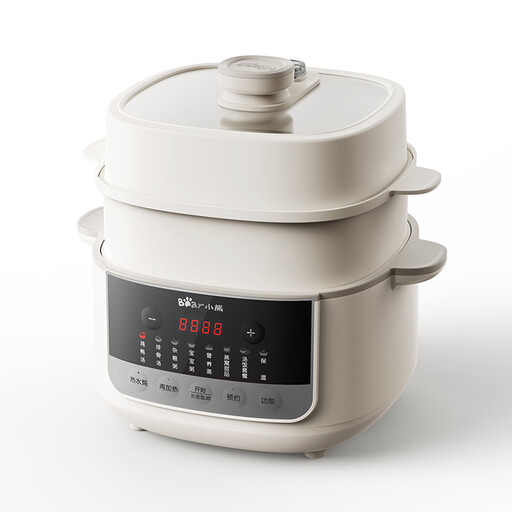 No image available
The title describes this appliance as a soup maker and lists a capacity of 4.1 l. When planning quantities, the maximum fill level for hot food is what matters.
4.1 l capacity; also described as a slow cooker and steamer.
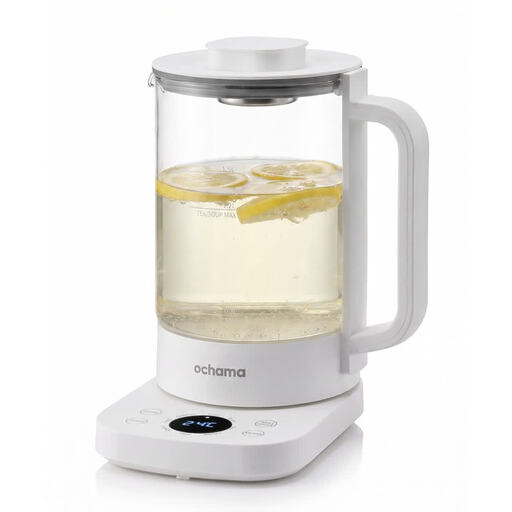 No image available
As this model is a kettle, it isn’t automatically suitable for making leek and potato soup. Check the instructions first.
1.5 l capacity; 1,000 W; eight functions; eleven keep-warm settings; 24-hour timer.
Not necessarily. The Krups Perfectmix Cook KB835D11 has a total capacity of 2.0 l, but the manufacturer gives a capacity of 1.4 l for hot dishes. For soup, use the model’s stated maximum fill level for hot food.
In a recipe published by Morphy Richards, milk and cream are added after the smooth soup programme and briefly blended in. This is guidance for a Morphy Richards appliance, not a general recommendation for every soup maker. Follow your model’s instructions and maximum fill level.
An appliance function alone doesn’t tell you what temperature the soup will be during transport. If you’re keeping it hot, the BfR recommends a minimum of 60 °C throughout until it is eaten. If you’re transporting it chilled, suitable cooling and storage are important.
No. Your statutory rights cover faults and apply against the seller. A guarantee is an additional voluntary benefit, and its scope depends on its terms and conditions.
No. The European Union describes CE marking as the manufacturer’s declaration that a product meets the relevant EU requirements. It isn’t an independent quality mark or comparative test.