Cooking for exactly one portion
If you want to avoid leftovers, first check whether the soup programme’s minimum fill level suits your usual bowl. The stated container capacity alone won’t answer that question.


If you want to make smooth vegetable soup for one, first check the minimum fill level allowed for the soup programme – the maximum capacity won’t tell you what you need to know. A soup maker heats and blends in one appliance, while using a pan and stick blender lets you choose the quantity but involves two separate steps. Choose an automatic soup maker for your usual portion only if the instructions for that specific model explicitly allow that amount.
If you want to avoid leftovers, first check whether the soup programme’s minimum fill level suits your usual bowl. The stated container capacity alone won’t answer that question.
If you want the appliance to take care of heating and blending, look for a smooth or puréed soup programme and check what quantities it allows.
If you already cook vegetables in a pan, a stick blender could be a good choice for blending them afterwards, without the need for another heated container.
For a single bowl, the permitted fill level and the way you want to cook matter more than the container’s maximum capacity.
A good choice if: you want to cook and blend in one appliance, and the instructions allow your portion size.
The trade-off: Philips Deutschland and DOMO Elektro state that their respective models have a container capacity of 1.2 l; this doesn’t tell you whether the minimum fill level is suitable for one portion.
A good choice if: you already cook vegetables in a pan and want to choose the quantity yourself.
The trade-off: cooking and blending are separate steps; the Severin SM 3772 is a stick blender and can’t replace the pan for cooking.
The percentages refer to the main buying priority of consumers who want to make smooth vegetable soup for one.
| Buying priority | What to look for when buying | Who it matters most to |
|---|---|---|
| Right-sized portions without leftovers | Check the minimum and maximum fill levels for the smooth soup programme in the instructions for the exact model, then compare them with your preferred portion size. | If I’m making just one bowl, I want to choose the right quantity and avoid unnecessary leftovers. Around 36% of consumers make portion size their main priority. |
| Automatic cooking and blending | Look for a soup programme with heating and blending functions; a standard stick blender won’t cook the ingredients. | If I want the appliance to take care of as many steps as possible, an integrated cooking and blending cycle matters. Around 29% of consumers prioritise this automatic process. |
| Smooth rather than chunky soup | Check the programme name and whether there’s a manual blending function; don’t treat claims about texture as an independent comparison. | If I want a smooth consistency, I look for a programme specifically designed for it. Around 21% of consumers put their preferred texture first. |
| Cleaning and storage | Check the cleaning instructions, removable parts and dishwasher suitability separately for the exact model. | If I want to keep cleaning to a minimum after cooking, the care and handling of individual parts matter. Around 14% of consumers consider cleaning effort their top priority. |
The container capacity and the minimum fill level required for a soup programme are two different things. If the minimum fill level is too high, you could end up with leftovers when making a single portion.
Before buying, check the instructions for the exact model to find the minimum amount allowed for your chosen programme, then compare it with your usual portion.
If the minimum fill level is higher than your preferred portion, you’ll need to cook a larger quantity and plan for leftovers.
A stick blender purées food, while a soup maker with a heating programme can cook it too.
Decide whether you’d rather have an automatic cooking process or the freedom to choose the quantity in your existing pan.
With a stick blender, you’ll also need a suitable pan for cooking.
A cleaning programme doesn’t automatically mean that every part of the appliance can go in the dishwasher. Philips Deutschland states that the parts of the HR2203/80 aren’t dishwasher-safe.
Check the care instructions and dishwasher suitability for each part of the model you’re interested in.
If parts aren’t dishwasher-safe, you’ll need to allow extra time for hand-washing.
Philips offers the SoupMaker HR2203/80, with a puréed soup programme and a manual blending function.
DOMO describes the DO727BL ‘My Soup Express’ as a soup maker with a Smooth programme.
The SVD 1400 Vera combines soup and plant-based drink programmes.
The SM 3772 is a stick blender for puréeing vegetables that you’ve already cooked in a pan.
The Perfectmix Cook KB835D is a heated jug blender with a creamy soup programme.
These are stick blenders for puréeing soup that’s already been cooked; the vegetables need to be cooked separately in a pan.
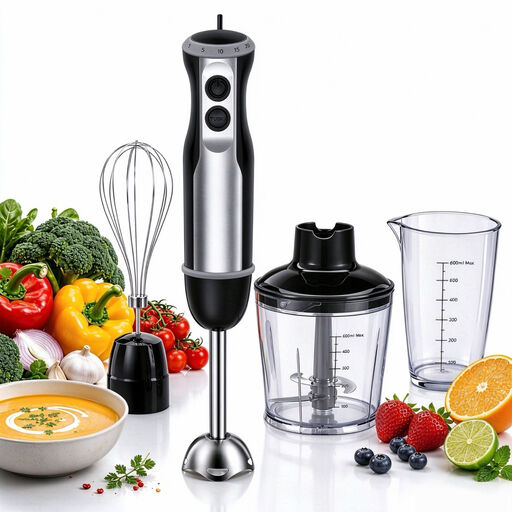 No image available
For puréeing soup that’s already been cooked; the appliance doesn’t cook the ingredients.
The product name specifies six speed settings and a turbo function.
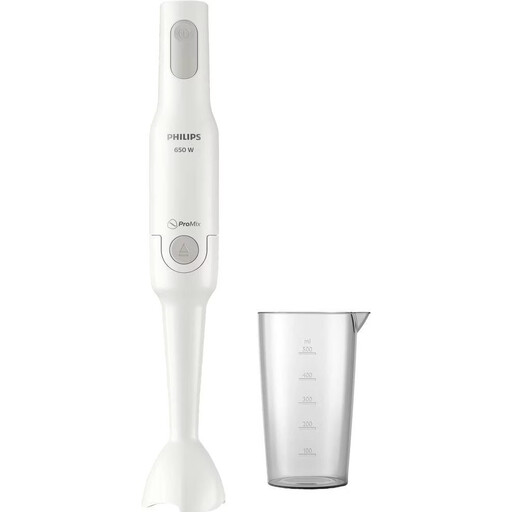 No image available
An option for puréeing soup after cooking; this stick blender doesn’t heat it.
The product name specifies 650 W, ProMix technology and a blending beaker.
According to the product description, allow hot ingredients to cool before blending, don’t blend boiling liquids and don’t run the blender continuously for more than one minute.
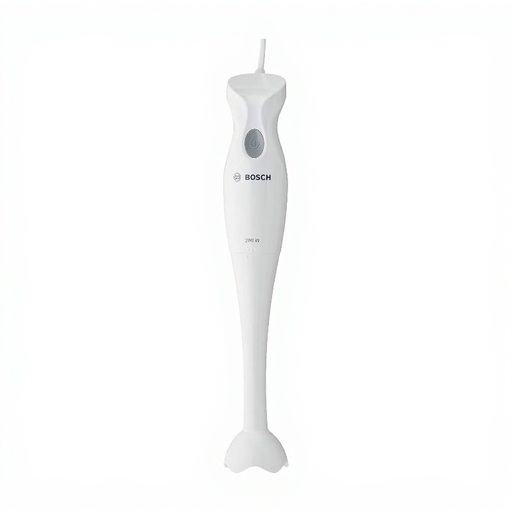 No image available
For puréeing cooked vegetable soup; cooking remains a separate step in the pan.
The product name specifies 280 W; according to the product description, the blending foot is removable.
 No image available
For soups and purées after cooking; the blender doesn’t heat the ingredients.
The product name specifies 600 W, two speed settings, a 500 ml chopper and an 800 ml beaker.
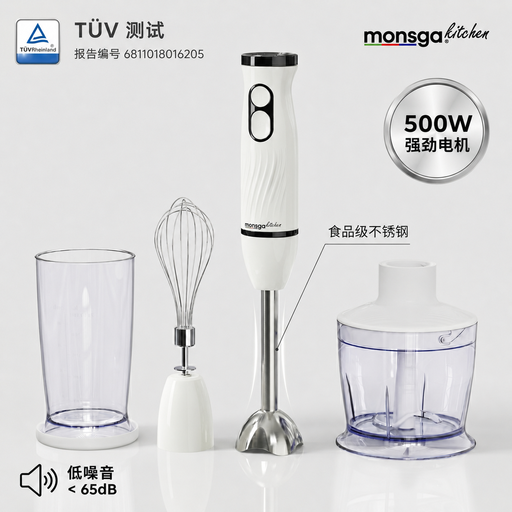 No image available
For puréeing soup that’s already been cooked; the appliance doesn’t heat the ingredients.
The product name specifies normal and turbo modes, plus a chopper and a 500 ml beaker. The parts are described as dishwasher-safe in the product name.
Not necessarily. Capacity alone doesn’t confirm that a single portion is enough for the soup programme. Philips Deutschland and DOMO Elektro state that their respective models have a 1.2 l container capacity; also check the minimum fill level and fill markings in the instructions for the exact appliance.
Look for a programme specifically described as being for puréed or smooth soup. Philips Deutschland lists a puréed soup programme for the HR2203/80; DOMO Elektro lists a Smooth function for the DO727BL. These programme details don’t tell you whether your preferred single portion falls within the permitted fill level.
No, the Severin SM 3772 is a stick blender without a cooking function. Cook the vegetables separately in a pan, and follow the instructions for your appliance when blending hot soup.
It depends on the model and the individual part. Philips Deutschland states that the parts of the HR2203/80 aren’t dishwasher-safe; this is separate from the cleaning programme on the ROMMELSBACHER SVD 1400. Check the care instructions for every part of the appliance you’re considering.
No. For appliances covered by relevant EU rules requiring CE marking, the manufacturer uses it to declare that the product complies with those rules. The European Union’s Your Europe explains that the marking isn’t an independent certification; check the details for the specific product listing.