When everyone is eating at different times, choose a model based on its usable hot-fill capacity, the soup consistency you want and a keep-warm function suited to the time between servings. The German Federal Institute for Risk Assessment (BfR) recommends keeping hot food at least 60 °C throughout. If there’s a longer gap, it’s safer to chill the later portion quickly and reheat it before serving rather than relying on a ‘keep warm’ label alone.
Who is a soup maker suitable for?
Households with staggered mealtimes
If you want to serve one portion straight away and another later, the time between servings and the soup’s temperature matter. The BfR recommends keeping hot food at least 60 °C throughout. For later storage, it recommends cooling hot food quickly to below 7 °C.
Households with several people
If you want to make several portions of tomato soup in one batch, compare the permitted fill level for hot food, not just the container’s total capacity.
Fans of smooth, blended soup
If you prefer a smooth tomato soup, check the specific soup programmes and whether you can blend manually. A Tefal recipe serves its cooked tomato soup with chopped basil as a garnish.
What should you look for when buying?
First decide how you’ll store the later portion. Then check that the hot-fill capacity, soup programme and cleaning requirements suit your routine.
The BfR recommends keeping hot food at least 60 °C throughout. For longer storage, it recommends cooling hot food quickly to below 7 °C.
| Buying priority |
What to check |
Who should pay particular attention? |
| Storing a later portion |
Check how long the soup can be kept warm and at what temperature. If you can’t be sure it will stay hot enough, plan to chill it quickly and reheat it later. |
If I’m serving the second portion later, I want to know how to store it safely until then. Around 36% of consumers list this as their main priority. |
| Hot capacity per batch |
Compare the quantity you need with the permitted hot-fill capacity; total capacity and capacity for hot food may differ. |
When several people are eating, I want to make all the portions in one batch if possible. Around 29% of consumers put batch size first. |
| Getting the right consistency |
Check for programmes for smooth or chunky soup and, if it matters to you, the option to blend manually. |
If I want a particular texture for my tomato and basil soup, I look for the right programmes and check when the basil should be added. Around 21% of consumers list this as their main priority. |
| Cleaning after cooking |
Check whether the blades can be removed and which parts the instructions say are actually dishwasher-safe. |
If I make soup often, I want to clean the container and blades without a fuss. Around 14% of consumers put cleaning effort first. |
Common buying and usage mistakes
-
Assuming ‘keep warm’ means food is safely kept hot
The function name alone doesn’t prove that the soup will stay at least 60 °C throughout for the whole waiting period.
Check the soup’s temperature and the recommended duration for the specific appliance. If you can’t be sure it will stay hot enough, chill the later portion quickly and reheat it before eating.
-
Assuming the total capacity is the usable soup capacity
Krups lists different fill levels for cold and hot food for the KB835D; its hot-fill capacity is 1.4 l.
Compare the amount you want to make with the permitted fill level for hot food.
You may need to cook a second batch if you’re making a larger quantity.
-
Confusing a cleaning programme with dishwasher-safe parts
An automatic cleaning cycle doesn’t mean that all the appliance’s parts can go in the dishwasher.
Check the instructions for the specific model to see which parts are removable and dishwasher-safe.
Brands to consider
Philips
Philips describes the HR2203/80 as a SoupMaker with a 1.2 l jug and programmes for smooth and chunky soups.
- Philips says the model makes up to four portions and offers manual blending.
- Philips states that the parts are not dishwasher-safe. The product information doesn’t specify a safe length of time for keeping soup hot.
Krups
The Perfectmix Cook KB835D is a cooking blender for hot and cold recipes, including smooth and chunky soups.
- Krups lists removable blades and a cleaning programme.
- Krups specifies a 1.4 l capacity for hot food. A reheating function alone doesn’t guarantee that food can be safely kept hot for a particular length of time.
DOMO
The DOMO DO498BL is a soup maker with a 1.6 l capacity and programmes for smooth or chunky soup.
- DOMO lists removable blades and straightforward programme selection.
- There’s no evidence of a safe length of time for keeping food hot with this model.
Rommelsbacher
The SVD 1400 Vera combines soup and plant-based drink programmes, with a maximum capacity of 1.3 l.
- Rommelsbacher lists nine programmes, including a cleaning programme.
- Its maximum capacity is lower than those of the DOMO and Krups models featured here. There’s no evidence of a safe length of time for keeping food hot.
Morphy Richards
Morphy Richards describes the 501022 as a 1.6 l soup maker with programmes for smooth and chunky soup, plus a keep-warm function.
- The manufacturer’s information lists a keep-warm function.
- The function alone doesn’t confirm the soup’s temperature or that it can be safely kept hot for the time you need.
Appliances for making soup
This selection includes cooking appliances whose product information lists soup as one of the things you can make. Their design, capacity and keep-warm features vary, so they’re not all traditional soup makers.
 No image available
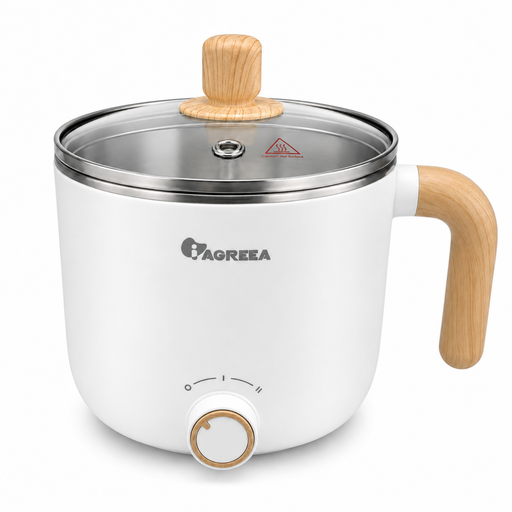
IAGREEA 1.0L Mini Electric Cooking Pot MS-AFX004
This could suit a small household if a 1.0 l pot for 1–2 people is enough and you want to make soup in it.
The stainless-steel inner pot has two power settings: 300 W and 600 W. The appliance must be supervised while in use.
View at Joybuy
 No image available
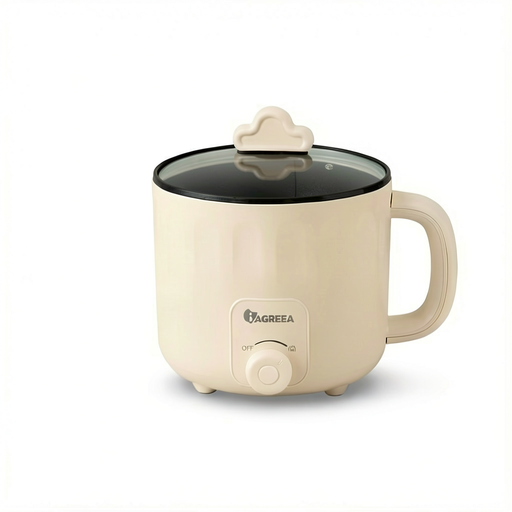
IAGREEA 1.6L Mini Electric Cooking Pot
If you want to make soup in a compact pot, the product description gives this model a capacity of 1.6 l.
The model is listed as having a 600 W power rating and a non-stick inner pot. The product information also mentions automatic shut-off and boil-dry protection.
View at Joybuy
 No image available
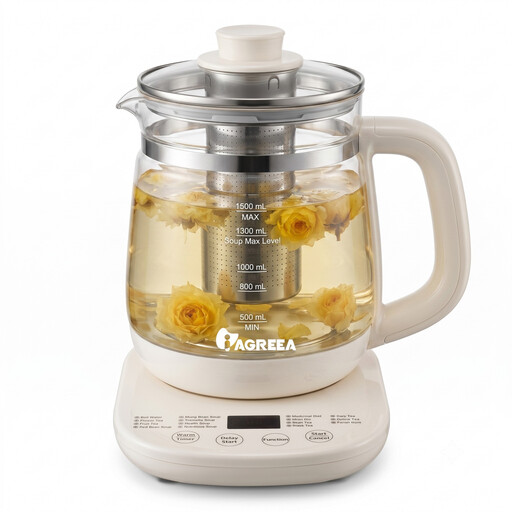
IAGREAA 1.5L Electric Health Kettle YSH15(69)30
This model may suit you if you’re looking for an appliance with a dedicated soup programme and a keep-warm function.
It’s listed as having a 1.5 l capacity, 14 programmes and six temperature settings ranging from 40 °C to 90 °C. The keep-warm function doesn’t prove that the soup stays at least 60 °C throughout; the BfR recommends this temperature for keeping food hot.
View at Joybuy
 No image available
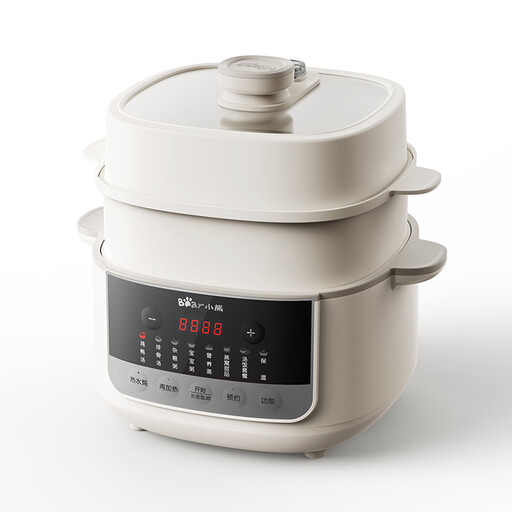
Bear DDZ-J25G2 4.1L Electric Slow Cooker
If you want to make a larger quantity of soup, the product description lists a 2.5 l main pot and describes the appliance as a soup maker.
It also includes four 0.4 l inner pots. The appliance can release a lot of steam while in use, so wait a few minutes after cooking before opening it.
View at Joybuy
 No image available
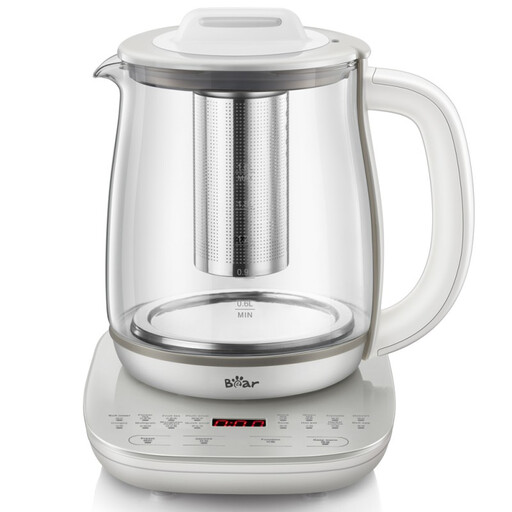
Bear Health Pot YSH-C18R6, 1.8L
If you’re looking for an appliance with soup programmes and a listed keep-warm function, the product description includes both for this model.
The listed features include 16 preset programmes, 1000–1200 W power and a keep-warm function for up to 9.5 hours. This doesn’t prove that the soup stays at least 60 °C throughout; the BfR recommends keeping hot food at least 60 °C throughout.
View at Joybuy
Frequently asked questions
Does a ‘keep-warm function’ mean the later portion will be safe?
No, the function name alone isn’t enough to guarantee that. The BfR recommends keeping hot food at least 60 °C throughout. Check the soup’s temperature and the recommended duration for the specific appliance. This recommendation isn’t a general legal requirement for a particular appliance function.
What should I do if the next person won’t be eating for quite a while?
If you’re storing the later portion for longer, cool it quickly to below 7 °C and reheat it thoroughly before serving. The BfR recommends reheating food to at least 70 °C throughout for two minutes.
When should I add the basil to tomato soup?
It depends on the recipe. In a Tefal recipe for creamy tomato soup, chopped basil is used to garnish the finished soup; other recipes may do things differently.
Can the container go in the dishwasher?
Only if the instructions for that particular model say it can. Philips states that the HR2203/80 parts are not dishwasher-safe; a cleaning programme on another model doesn’t replace its care instructions.
What requirements and rights should I know about when buying in Germany?
Relevant electrical appliances must meet the applicable EU requirements, and food-contact parts intended for use with food must comply with the relevant EU rules. If a product is faulty, you have statutory rights against the seller; these are separate from any voluntary guarantee. The European Commission explains the requirements for food-contact materials, while the European Union explains CE marking. The Verbraucherzentrale explains the difference between statutory rights and a guarantee.


