
Lieferung heute & morgen

Qualitätsgarantie

Willkommens-Angebote freischalten: KOSTENLOSE Lieferung | Bis zu 80 % RABATT | Kostenlose 30-Tage-JoyPlus-Testphase
App herunterladen
The quest for the ultimate sour kick has become a staple in the confectionery world. From a gentle tingle to an intense flavour experience that challenges the senses, the variety is immense. This guide provides a clear overview of the different types of sour sweets and helps you find products that match your preferences. We present a selection of exciting products for 2026 and offer practical tips for your purchasing decision.
Choosing the right sour sweet depends on personal preference. Three criteria can make the decision easier: the type of sourness, the texture, and the ingredients.
Not all sour sweets are created equal. The sour taste is typically produced by using food-grade acids like citric acid, malic acid, or tartaric acid. These acids differ in their effect:
Some products combine different acids to create a more complex flavour profile. Often, the acid is applied as a coating for an instant effect, while in others, the acid is incorporated into the sweet itself.
Mouthfeel plays a crucial role. The range extends from soft sour gummies and hard sweets to liquid or frozen formats.
For many consumers, the ingredients are an important criterion. An increasing number of manufacturers are offering vegan sour sweets that are made without gelatine or other animal-derived ingredients. A look at the ingredients list provides information about allergens and whether a product is suitable for a specific diet, such as gluten-free. This is particularly relevant when the sweets are for children or for parties with guests who have different dietary needs.
Here is a selection of products that stand out for their unique characteristics and flavour profiles.
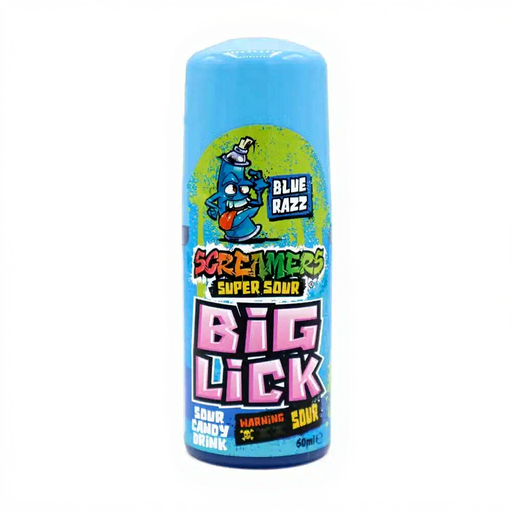
Why it stands out: The Zed Candy Screamers Roller breaks the mould of traditional sweets. It is a liquid, blue raspberry-flavoured sour candy that is applied directly to the tongue via a roller applicator. This interactive format provides a novel and long-lasting taste experience.
Benefits:
Who it's for: For anyone looking for an innovative sweet who enjoys the intense flavour of blue raspberry. This format is particularly popular with children and teenagers.
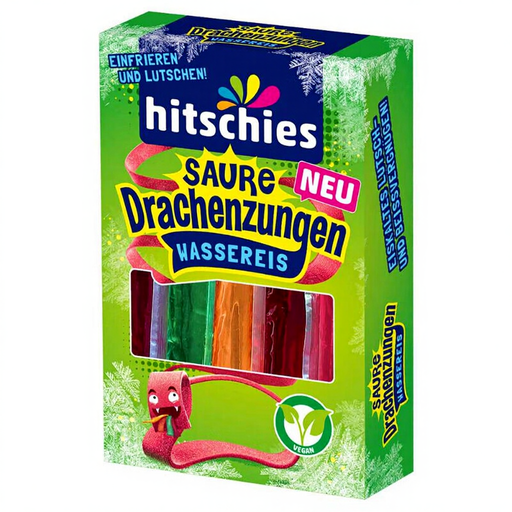
Why it stands out: This product transforms the well-known flavour of Hitschies Sour Dragon Tongues into a refreshing sour ice pop. The pack contains four different flavours—strawberry, apple, peach, and cherry—and simply needs to be frozen before consumption.
Benefits:
Who it's for: For fans of the classic sour gummies from Hitschies and for anyone seeking a sour cool-down on warm days. A great choice for families and as sweets for children at celebrations.
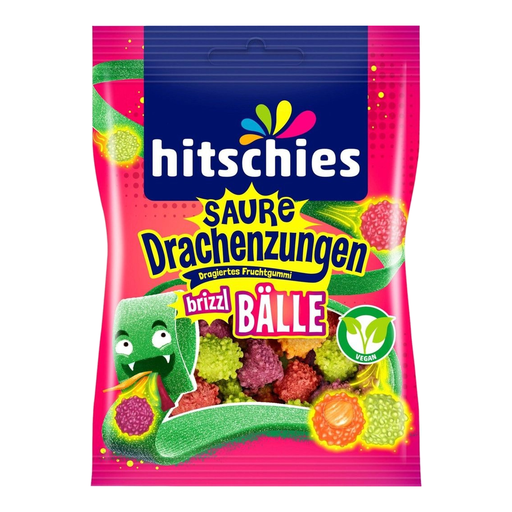
Why it stands out: The Brizzl Balls combine two popular textures: a crunchy shell and a fizzy sherbet filling inside. Inspired by the taste of the Sour Dragon Tongues, these dragees offer a multi-stage experience—first crispy, then intensely fruity-sour and fizzy.
Benefits:
Who it's for: For lovers of sherbet sweets and anyone looking for a candy with a surprising texture and an intense fizz.
The world of sour confectionery is vast and constantly evolving. Tastes differ, and what is the perfect level of sourness for one person may be too intense or too mild for another.
If you are looking for more options, from classic sour gummy bears to unconventional creations, you can find a wider selection that caters to different tastes and preferences in our Sweet & Sour Sweets category.
The most common forms include sour gummies (often as belts, strings, or shapes), sour chewy sweets, sour lollipops, hard sweets with a sour filling or coating, as well as sherbet sweets and sherbet powder. More recently, liquid sweets and sour ice products have also been gaining popularity.
Yes, the market for vegan sour sweets is steadily growing. Many manufacturers now avoid gelatine and instead use plant-based gelling agents like pectin or modified starch. Products like the Hitschies Sour Dragon Tongues Ice Pops are an example of this. However, it's always advisable to check the ingredients list on the packaging.
The sour taste is achieved by adding edible food-grade acids. The most commonly used are citric acid, malic acid, tartaric acid, and fumaric acid. These acids are either applied to the surface of the sweet to create an immediate, intense sour shock, or incorporated directly into the gummy mass or filling, which results in a longer-lasting sour taste.