
Lieferung heute & morgen

Qualitätsgarantie

Willkommens-Angebote freischalten: KOSTENLOSE Lieferung | Bis zu 80 % RABATT | Kostenlose 30-Tage-JoyPlus-Testphase
App herunterladen
Choosing the right sourdough loaf tin affects how evenly your bread rises, how easily you can turn out the loaf and how long the tin will last. Rye and wholemeal doughs can make it particularly easy to buy the wrong tin: an unsuitable size, a delicate coating or unclear care instructions can quickly take the pleasure out of baking.
This buying guide explains what home bakers in the UK should look for in a loaf tin for sourdough bread, and which model suits different baking needs.
The measurement “30 cm” usually refers to the length of the tin, not the amount of dough it can hold. Depending on its width, height and internal capacity, a 30 cm loaf tin may be designed for around 1 kg of dough or considerably more. Always check the manufacturer’s information on capacity and recommended loaf weight.
Using 1 kg of flour will not automatically give you a 1-kg loaf. Water, sourdough, salt and other ingredients all add to the total weight. So, if you regularly bake larger loaves, choose a 1500 g loaf tin rather than a 1 kg loaf tin.
A non-stick loaf tin can make it easier to turn out your bread, but how long it lasts depends greatly on how you use it. Metal knives, sharp-edged dough scrapers, scouring pads and harsh cleaning products can damage the surface.
Look for clear information about:
A loaf tin that is heat-resistant up to 250 °C is designed for the oven, not the hob. Most non-stick loaf tins are not suitable for induction hobs, gas hobs, electric hotplates or direct flames. When preheating, use the tin only as directed by the manufacturer.
Steel and carbon steel conduct heat relatively evenly and retain their shape when made to a suitable thickness. A ceramic or other multi-layer non-stick coating can help you turn out the bread more easily. An enamelled base also provides a hard, scratch-resistant surface. Even so, avoid metal utensils if the manufacturer advises against them.
An acid-resistant surface is particularly important for rye sourdough. Acidic dough can put more strain on unsuitable materials or damaged coatings. For this use, a tin labelled “sourdough-resistant” is a more reliable choice than a general marketing claim without a technical explanation.
A tin with a capacity of around 1 kg may suit a standard loaf made with approximately 500 g of flour. If your recipes use more water or include lots of seeds, allow for a little extra room. Don’t fill the tin to the brim, as the dough will continue to rise during proving and baking.
A loaf tin is particularly suitable for rye bread, wholemeal bread and toast. Check the width and height as well as the length: a narrow, tall tin will produce a different loaf shape from a wide one.
Many non-stick tins are designed for hand-washing with mild washing-up liquid and a soft sponge. It takes a little longer than using the dishwasher, but is gentler on the surface. Let the tin cool before cleaning it and avoid sudden changes in temperature.
A tin for bread and cakes can be used for a range of bakes. You can make sweet sponge cakes, savoury breads and simple bakes, provided you follow the temperature and care instructions.

Why it suits this baking profile: This 30 cm tin is designed for loaves weighing up to 1000 g, making it suitable for many everyday recipes.
The stated capacity helps you avoid confusing the length of the tin with the weight of the loaf. It is heat-resistant up to 250 °C and designed for hand-washing.
Coated steel, enamelled base, acid-resistant finish and a stated 10-year guarantee on the non-stick coating.
Why it suits this baking profile: This larger version is designed for bakers who regularly prepare bigger batches of dough or larger loaves for the family.
Its 1500 g capacity reduces the risk of using a smaller 1 kg tin for too much dough. The care instructions specifically state that it is not dishwasher-safe.
35 cm long, extra-strong steel, enamelled base, non-stick coating and heat-resistant up to 250 °C.
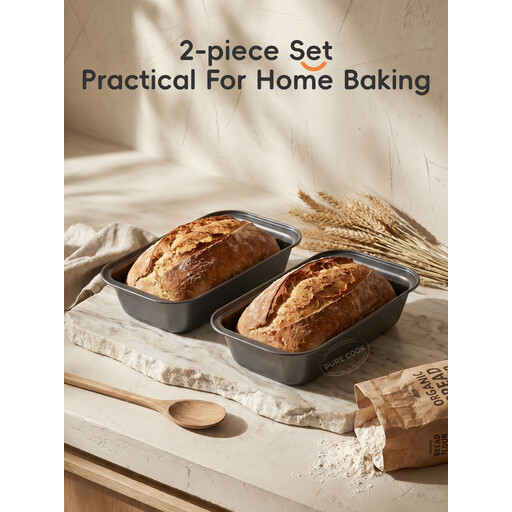
Why it suits this baking profile: Two square tins give you the flexibility to bake toast, wholemeal bread, cakes and savoury bakes.
The product information clearly states that the tins are for oven use and are not suitable for hobs, induction, gas or charcoal barbecues. They should be washed by hand.
Set of two tins, carbon steel, even heat distribution and a stated coating temperature limit of 220 °C.
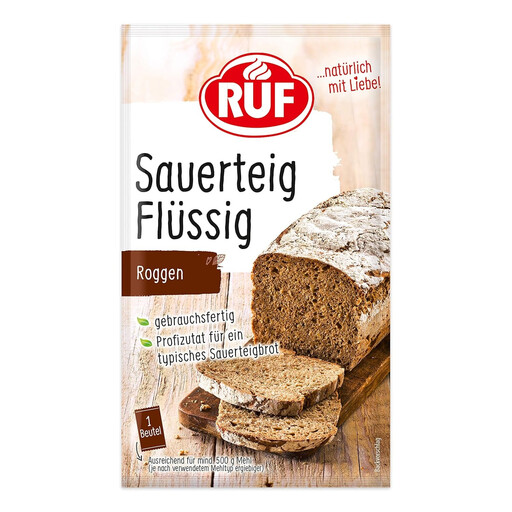
Why it suits this baking profile: This pre-portioned extract is intended for rye and wholemeal breads. According to the product information, you add it straight to the flour and yeast mixture.
The suggested quantity of 70 g for 500 g of flour makes it easier to plan how much you need. Check the allergens and best-before date before buying.
Liquid rye sourdough extract in a 70 g portion, stated to be enough for 500 g of flour; yeast is still required.
We’ve put together a complete, regularly updated list of products that meet these strict selection criteria and fully comply with the safety regulations applicable in the EU.
Ready-made rye sourdough extract saves you the several days needed to get your own starter going. However, it is not the same as an active sourdough starter. According to the product information, the RUF product also requires yeast. Dr. Oetker’s dried rye sourdough is also portioned for 500 g of flour and, depending on the recipe, needs a raising agent too.
According to its product description, Alnatura organic rye sourdough extract is intended for 1 kg of flour. It specifically states that the extract alone does not make the dough rise. So check the recommended quantity, ingredients and allergy information on the packaging.
A tin for a loaf of around 1 kg is suitable for many everyday recipes. For larger batches of dough or family-sized loaves, a 1500 g loaf tin is a better fit. The key factors are the internal capacity, the amount of dough and how much it is expected to rise.
That depends on the coating and the recipe. A light coating of fat can provide extra reassurance when working with very sticky rye dough. Don’t use metal utensils, and follow the manufacturer’s care instructions.
There’s no fixed lifespan that applies to every tin. Gentle hand-washing, soft sponges and avoiding scratches can help preserve the coating for longer. Don’t continue using tins with damaged or peeling surfaces.