
Lieferung heute & morgen

Qualitätsgarantie

Willkommens-Angebote freischalten: KOSTENLOSE Lieferung | Bis zu 80 % RABATT | Kostenlose 30-Tage-JoyPlus-Testphase
App herunterladen
Soy milk has established itself as a versatile, plant-based milk alternative in many households. Whether for health reasons, lactose intolerance, or as a conscious choice for a vegan diet, the demand is high. However, the growing number of options makes choosing difficult. Not every soy drink lives up to its packaging's promises. Before you make a decision, it's crucial to know the most common pitfalls to avoid overpaying for overly sweetened products or inferior quality.
Navigating the supermarket aisle or online shop can be overwhelming. Many products advertise health benefits, but a closer look at the ingredients list often reveals the opposite. Here are three typical problems to watch out for:
To avoid these pitfalls, focus on a few crucial parameters. These will help you objectively assess product quality.
A look at the nutrition label is essential. Pay attention to the "of which sugars" line. A high value can indicate added sugar. Products labelled "sugar-free soy milk" or "unsweetened" are often the better choice for a health-conscious diet. Some manufacturers use alternative sweeteners like maltose syrup, which has a different sweetness level and composition than table sugar. Check the ingredients list to know exactly what you're consuming.
A high-quality plant-based protein drink should have a solid protein content. This often correlates directly with the soybean percentage, which may be declared on the packaging (e.g., "contains 58% soybeans"). A higher percentage usually results in a richer, more authentic soy flavour and a better nutritional profile. For anyone looking for a lactose-free and high-protein alternative, this is a key quality indicator.
Your individual needs determine the ideal product format:
Based on these objective criteria, we have identified some products that are particularly well-suited for different user profiles.
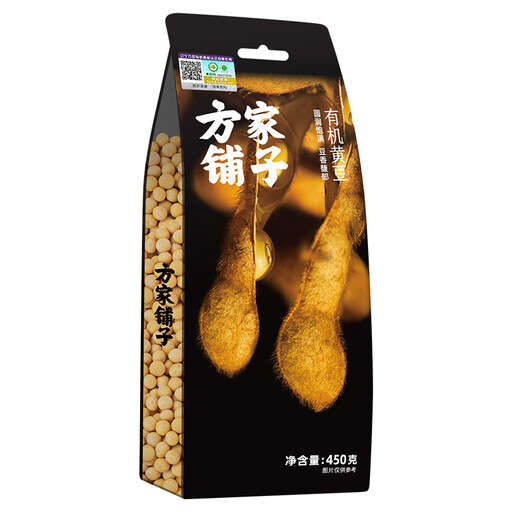
Why this product is a great fit: Ideal for anyone who wants full control over their diet. With these organic soybeans, you can make your own soy milk, tofu, or soy sprouts—it doesn't get any fresher or purer.
You completely bypass the traps of hidden sugar and low soy content because you are using the sole starting ingredient: the bean itself.
Maximum freshness and versatility. The protein content per 100g of beans is very high at 36g.

Why this product is a great fit: This soy milk powder combines convenience with control. It's quick to prepare, but since it's unsweetened, you decide if and how much sweetness to add. Perfect for the pantry.
The "Unsweetened" label says it all. You avoid the sugar trap and benefit from a high soybean content of 58%.
Very high protein content of 32g per 100g of powder and a long shelf life. Ideal for smoothies, baking, or as a pure drink.
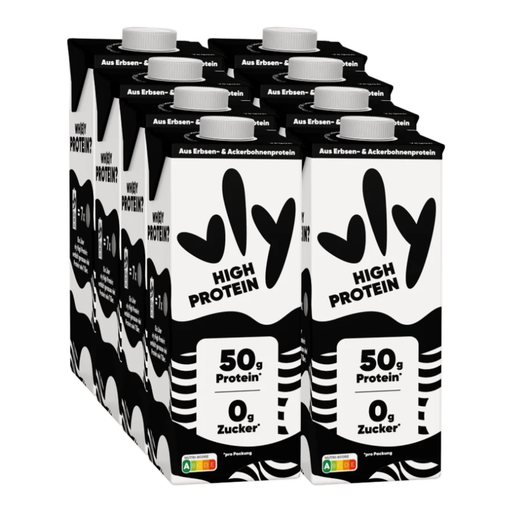
Why this product is a great fit: This vegan milk alternative was specifically developed for high protein needs. It is based on fava bean and pea protein, making it an interesting alternative to pure soy milk.
With 0 grams of sugar and 5 grams of protein per 100 ml, this product is the direct answer to the problems of hidden sugar and low protein content.
Extremely high protein content (50g per litre) with zero sugar. Ideal for protein shakes, post-workout cereal, or as a nutrient-rich drink.
We have compiled a complete, up-to-date list of products that fully meet these strict selection criteria and local regulations.
Most soy milk powders are easy to prepare. Put the recommended amount of powder (e.g., 3 tablespoons) into a cup. Add a small amount of warm water and stir to form a smooth paste. Then, while stirring continuously, pour in the remaining amount of hot (not boiling, approx. 70–80°C) water. This prevents lumps from forming.
Not all soy drinks behave the same way in coffee. Some varieties, especially those with lower protein or fat content, can curdle in hot coffee. So-called "Barista Editions" are often formulated with acidity regulators and stabilisers to prevent this. Alternatively, mixing soy milk powder with less water can create a creamier consistency that is better suited for coffee.
Look for a short ingredients list. High-quality products often consist of just water, soybeans, and maybe some salt. A declared high soybean content (over 8% for ready-to-drink products, over 50% for powder) is a good sign. Also, check the nutrition label for a high protein content (over 3g per 100 ml) and a low sugar content.