
Lieferung heute & morgen

Qualitätsgarantie

Willkommens-Angebote freischalten: KOSTENLOSE Lieferung | Bis zu 80 % RABATT | Kostenlose 30-Tage-JoyPlus-Testphase
App herunterladen
A soy milk maker can turn beans, nuts, oats or rice into hot or cold drinks. For individuals, couples and families, the number of programmes isn’t the only thing that matters. Unclear capacity information, fiddly cleaning or unsuitable heating power can often make a machine less practical for everyday use than expected.
This guide explains which technical details matter before buying a nut milk maker or plant milk maker, and which type of machine is best suited to different households.
A compact 300 ml machine may be enough for one person or a single serving. But this capacity is limited for several people. According to product information, 600 ml machines are suitable for around one to three people, for example, while a 1-litre milk maker can prepare several servings for everyone to enjoy at breakfast.
It’s important to check the usable capacity and the MIN/MAX markings. Don’t exceed the maximum fill line when heating, as liquids can rise and overflow.
A milk maker with a self-cleaning function can reduce residue on the jug and blades. However, it won’t necessarily clean the lid, seals or exterior surfaces for you. Not all components are suitable for the dishwasher either, so check the instruction manual before buying and before using the machine for the first time.
Take extra care with machines that have a heating function: never immerse the base or electrical connections in water. Never touch the blades by hand.
A model with ten programmes sounds versatile. What matters is whether it has the functions you actually need, such as programmes for soy milk, nut milk, oat milk, rice porridge, juice, keeping warm or boiling. Preparation time, minimum fill level and permitted ingredients can also vary from one programme to another.
A milk maker with a timer is particularly useful for people who work or study. However, only use the timer if the instructions say that the ingredients can be left in the jug for the specified length of time.
A multi-function blender with a heating function combines chopping and heating. For soybeans and nuts, two specifications are therefore relevant:
The wattage alone doesn’t tell you everything about the results. Also check which ingredients are suitable, what the programme description says and whether the instructions recommend using dry or soaked beans.
Several of the machines featured here are listed as having a container made from 304 stainless steel. A glass model is described as having a heat-resistant borosilicate glass jug. These details come from the relevant product descriptions and shouldn’t be taken as a general quality guarantee.
Other useful features include:
The jug can become very hot when using hot programmes. Follow the manufacturer’s instructions when pouring and cleaning.
A compact model is easier to store in a small kitchen, office or halls of residence. A 1-litre machine takes up more space, but makes several servings in one cycle. Some models come with a noise-reducing cover. This can be useful if you’re using the machine early in the morning or in an open-plan kitchen, although a high-speed motor will still make some noise.
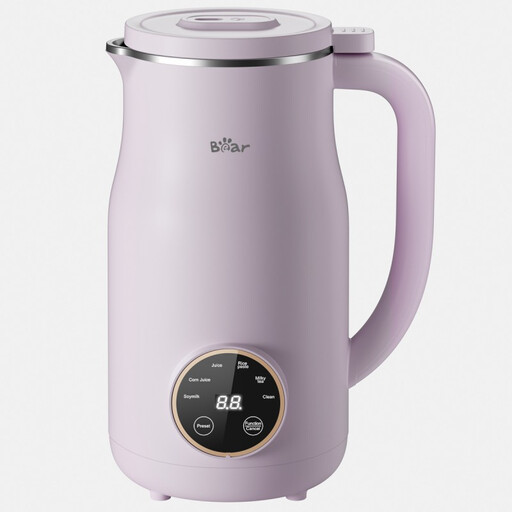
Why this product suits this profile: Its stated 600 ml capacity is designed for smaller households and individual batches. Five function menus, a timer delay of up to 12 hours and a cleaning function cover the basics.
The capacity is clearly stated. The safety switch prevents the machine from starting if the lid isn’t closed or aligned correctly.
600 ml capacity, a 304 stainless steel inner container and programmes for dry and soaked beans, according to the product description.
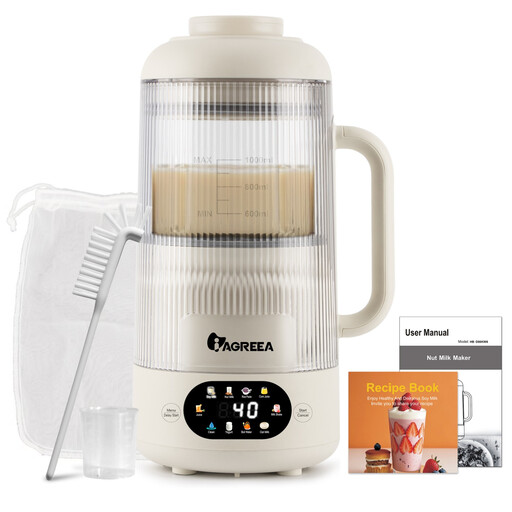
Why this product suits this profile: This model combines a 1,000 ml capacity with ten automatic programmes, a borosilicate glass jug and a noise-reducing cover.
The MIN/MAX markings help you measure ingredients accurately. According to the description, the automatic cleaning function also includes drying and sterilising.
Ten programmes, a 12-hour timer, 1-litre capacity, plus a cleaning brush and filter bag included.
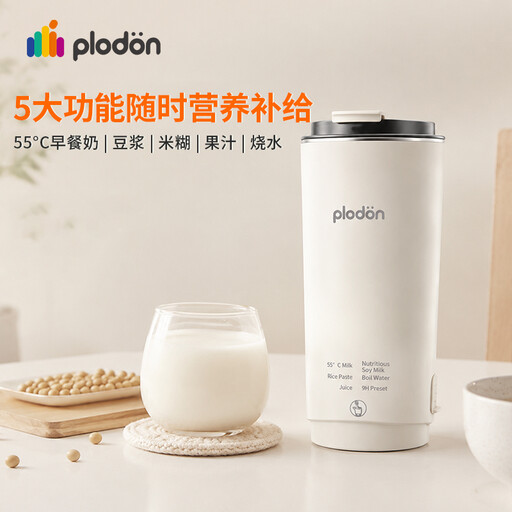
Why this product suits this profile: With a 300 ml capacity, compact design and 9-hour timer, this model is suited to single servings, the office, travel or small kitchens.
Its small capacity makes it clear what the machine is designed for. Follow the cleaning instructions and guidance on allowing a break between cycles carefully.
Five functions, a 55-degree keep-warm function, automatic cleaning, and heating and blending in one portable cup.
We’ve put together a complete, regularly updated list of products that meet these strict selection criteria and the safety regulations in force in the EU.
The ongoing costs of a soy milk maker mainly include ingredients, electricity and the effort involved in cleaning and care. Heating power and programme duration affect electricity use; you can only work out the exact cost using your own electricity tariff and actual usage.
To help your machine last longer, it’s worth following these steps:
That depends on the model and programme. According to the product description, the Plodon Mini can process dry beans. The Bear machine is listed as suitable for both dry and soaked beans. Always follow the relevant instruction manual, as recipe quantities and preparation steps can vary.
There’s no reliable way to give a general lifespan. It depends on factors such as how often you use the machine, how you clean it, whether you allow it to cool between cycles, and how you handle the blades and heating system. Regular care and staying within the operating limits can help reduce wear, but they don’t replace a manufacturer’s guarantee.
For families, models with a capacity of around 1,000 ml are usually more practical than a 300 ml machine, as long as you have the worktop space and need that quantity each day. For one person or for making drinks on the go, a smaller nut milk maker may be a better choice. What matters is the serving size you want, the programmes available and how easy it is to clean day to day.