
Lieferung heute & morgen

Qualitätsgarantie

Willkommens-Angebote freischalten: KOSTENLOSE Lieferung | Bis zu 80 % RABATT | Kostenlose 30-Tage-JoyPlus-Testphase
App herunterladen
By: Joybuy Product Recommendation OfficerDate: August 28, 2026
Soy milk powder offers a convenient and shelf-stable alternative to fresh plant-based drinks. It's perfect for stocking your pantry, for use on the go, or as a versatile kitchen ingredient. However, the market can be overwhelming, and not every product marketed as "healthy" delivers on its promise. Before you decide, it's crucial to understand the common pitfalls to make an informed choice.
This guide will help you identify the key quality indicators of soy milk powder and find a product that truly meets your needs.
Many products tout health benefits, but a closer look at the ingredients list often tells a different story. Here are two things to watch out for:
To avoid disappointment, you should check three key parameters before buying. You can find this information directly on the packaging or in the product description.
The percentage of soybeans is the most important indicator of a powder's quality. A high soybean content points to a purer, more nutrient-dense product.
The terminology surrounding sugar content can be confusing. Here’s a clear distinction:
For a low-sugar diet, a look at the nutrition facts panel and the "of which sugars" line is essential. Specifically look for sugar-free soy milk powder if you want to control the sweetness yourself.
The ingredients list reveals what purpose a powder is best suited for.
Here are some product recommendations tailored to different needs and preferences.
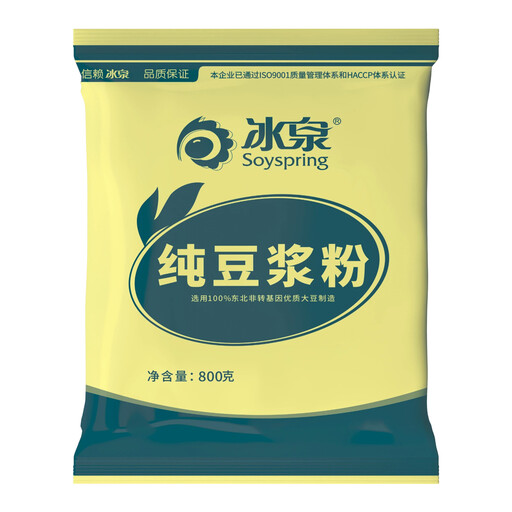
Why This Fits Their Persona: Ideal for anyone looking for a pure, high-protein, and versatile vegan milk powder. With no additives, it's perfect for enriching smoothies, for cooking, or as a base for homemade soy milk where you control the sweetness.
According to the manufacturer, this product consists of 100% soybeans. There are no hidden sugars, fillers, or other additives. You get pure soy powder.
High protein content of 40g per 100g. The bulk packaging offers excellent value for money for regular use.
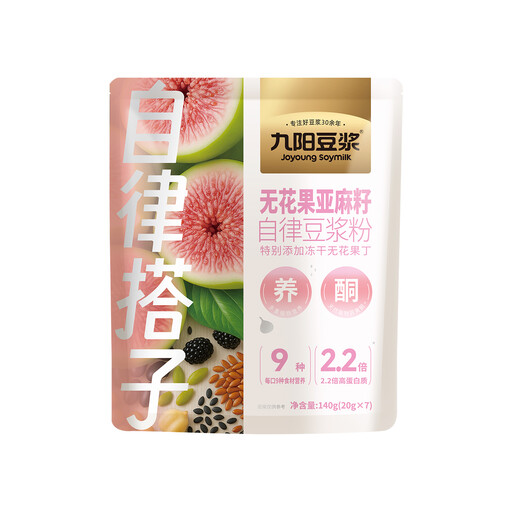
Why This Fits Their Persona: Perfect for health-conscious individuals who want to manage their sugar intake without sacrificing full-bodied flavour and added nutrients. The convenient single-serving sachets are ideal for the office or a post-workout boost.
According to the manufacturer, this product contains no added table sugar. Sweetness is achieved with the sugar substitute Xylitol (E967), making it a great option for a low-sugar diet.
Contains a blend of 9 ingredients, including figs, flaxseed, and black sesame. High in protein (27g/100g) and fibre (9g/100g).
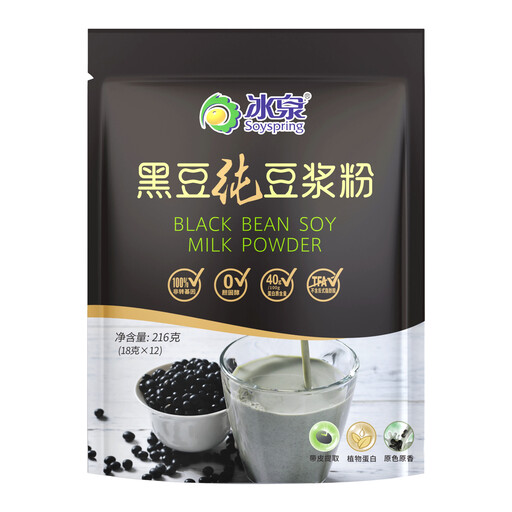
Why This Fits Their Persona: For anyone seeking variety and wanting to try the unique, slightly nutty flavour of black soy milk powder. It's a nutrient-rich alternative to conventional powder made from yellow soybeans.
This product is also a pure powder, consisting of 100% black soybeans according to the manufacturer. It is free from fillers and added sugar.
Offers a unique flavour profile. The convenient single-serving sachets (12 x 18g) make preparation and portioning very simple.
We've compiled a complete, up-to-date list of products that meet these strict selection criteria.
The right technique is key to a clump-free result. First, put the powder in a cup. Then, add a small amount of warm or cold water and stir it into a smooth paste. Only then should you pour in the remaining hot (not boiling, approx. 80°C / 176°F) water while stirring continuously. A small whisk or a milk frother can also be helpful.
Yes, pure soy milk powder without additives is an excellent ingredient. You can use it to boost the protein content of baked goods like bread or muffins, make soups and sauces creamier, or as a base for vegan desserts. Sweetened blends also work, but you should adjust the sugar content in your recipe accordingly.
Soy milk powder is made from the whole soybean and contains fats, carbohydrates, and fibre in addition to protein. It is essentially dehydrated soy milk. Soy protein isolate, on the other hand, is a highly processed product where the protein is isolated from the other components of the bean. It has a much higher protein content (often over 90%) but very few other nutrients and a different taste. For everyday use as a milk substitute, soy milk powder is the more balanced choice.