
Lieferung heute & morgen

Qualitätsgarantie

Willkommens-Angebote freischalten: KOSTENLOSE Lieferung | Bis zu 80 % RABATT | Kostenlose 30-Tage-JoyPlus-Testphase
App herunterladen
Soy milk powder is handy for breakfast, the office, travel and smoothies: just add water, stir and your drink is ready. However, products can vary considerably in their soya content, sweeteners, protein, serving size and recommended water temperature. If you focus only on claims such as ‘pure’, ‘sugar-free’ or ‘high-protein’, you could easily buy a product that doesn’t suit your everyday routine.
This buying guide explains which details on the packaging matter and which options might suit different needs.
A product may be described as having ‘no added table sugar’ and still contain maltose syrup. Maltose is a type of sugar and is listed in the nutrition table under ‘of which sugars’. So when comparing sugar-free soy milk powder, always check three things:
For example, according to the product details, YON HO Sugar-Free Soy Milk Powder contains no added sucrose, but does contain maltose syrup. Its stated sugar content is 4.5 grams per 100 grams of powder. So the product name shouldn’t be taken to mean ‘sugar-free’.
Protein figures usually refer to 100 grams of powder, not a prepared cup. Products also typically use around 18 to 30 grams of powder per serving. A figure of 40 grams of protein per 100 grams sounds much higher than 18 grams, but the prepared serving contains proportionally less powder.
So compare protein, serving size and water ratio together. The soya content in the ingredients list matters too: some products are made from 100% soya beans, while others also contain maltose syrup, sugar, grains or flavourings.
Soy drink powder may be suitable for cold or hot water, but the specific instructions vary. According to the product description, Jasmine Cold Brew Soy Milk Powder should be mixed with room-temperature water. Other varieties require hot water at around 80 to 85 °C. If you’re looking for soy milk powder to mix with water at the office or on the go, check the preparation temperature and recommended mixing ratio before you buy.
Soya beans are an allergen that must be declared. Blends may also contain milk, sesame, oats, rye or other ingredients. For example, Nan Fang Black Sesame Black Nourishment contains soya, sesame and milk, as well as gluten from oats and rye. Despite being based on soya, it isn’t suitable for vegans.
If you prefer a simple plant-based milk powder, look for products with a short ingredients list. According to the product details, Joyoung Pure Soy Milk Powder is made from soya beans. For all products, the ingredients list and allergen information on the specific packaging take precedence.
Unsweetened varieties usually have a distinct soya flavour and can be paired with fruit, cocoa or spices to suit your taste. Sweetened varieties are a better fit if you prefer a mild, ready-made breakfast drink.
Look out for the difference between:
Soy milk powder in single-serve sachets is easy to measure and protects the powder from moisture when you’re on the go. Larger packs are more practical for regular use, but once opened they need to be stored somewhere dry and kept tightly sealed.
For occasional use, 9 to 12 servings may be a sensible choice. Families and people who use it every day may prefer a total quantity of 630 to 800 grams. The pack price isn’t the only thing to consider: compare the cost per prepared serving too.
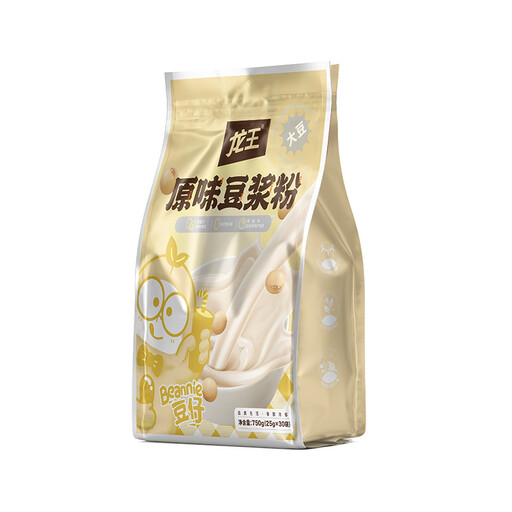
Why it suits this profile: The pack contains 30 servings of 25 grams each, making it a good choice for regular use without needing to restock too often.
The ingredients list clearly names soya beans and maltose syrup. With 15.0 g of protein and 33.0 g of sugar per 100 g, the nutritional figures are easy to assess.
750 g total; prepare with around 180 ml of water at 80–85 °C.
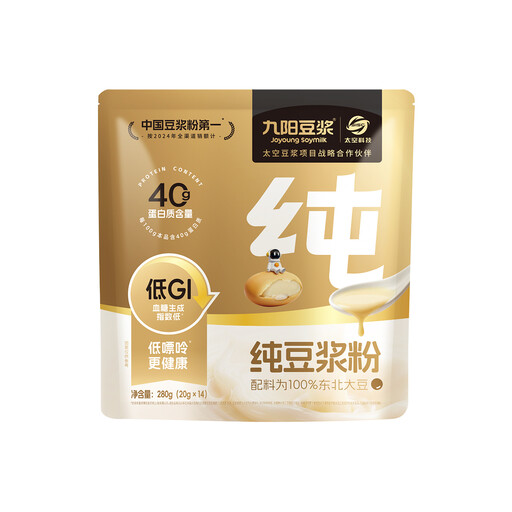
Why it suits this profile: The ingredients list names soya beans as the only ingredient. It’s a good match for anyone looking for a simply made soya drink without added sweeteners.
The nutrition table lists 6.0 g of sugar and 40.0 g of protein per 100 g. This shows why it’s worth checking the ingredients list as well as the marketing claims.
100% soya beans according to the product details; 280 g pack; suitable for preparation with warm water at around 80 °C.
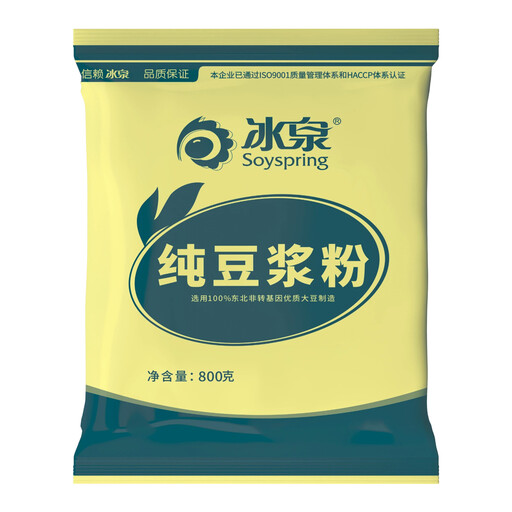
Why it suits this profile: The 800 g pack is handy for everyday drinks, smoothies, coffee or baking recipes if you regularly use soya powder.
The product details state that it contains 100% soya beans and no added preservatives. This makes the ingredients clearer than in blends containing grains or sweeteners.
800 g pack; 40.0 g of protein per 100 g according to the nutrition information; versatile for drinks and recipes.
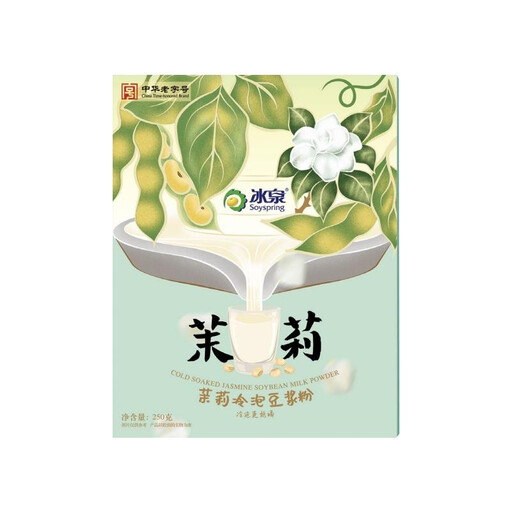
Why it suits this profile: The jasmine tea-flavoured servings mix with room-temperature water, making them suitable for the office, travel and cold drinks when you don’t have a kettle.
The product description states that it contains 50% soya beans and 2% jasmine tea powder, and should be prepared with 150 ml of room-temperature water. So its flavour is different from that of plain soya powder.
250 g pack; 18.5 g of protein per 100 g; designed for cold-brew preparation.
We’ve put together a complete, regularly updated list of products that meet these strict selection criteria and fully comply with the safety regulations in force in the EU.
Follow the mixing instructions on the packaging. Typically, around 18 to 30 grams of powder is mixed with 150 to 200 millilitres of water. Stirring the powder into a little water first, then topping it up, can help prevent lumps. Take care to avoid scalding when using hot water.
Once opened, store the pack somewhere cool, dry and away from light. An airtight container helps prevent moisture getting in and the flavour fading. Drink the prepared beverage straight away or refrigerate it as instructed by the manufacturer.
Yes, many products can be used in smoothies. Unsweetened varieties give you more control over the flavour. For cold preparation, check that the packaging specifically recommends room-temperature or cold water, as some powders dissolve more quickly than others.
This depends on the packaging instructions and how it’s stored. Once opened, keep the powder dry and sealed in an airtight container. Some products recommend using the contents within around 30 days. Always follow the best-before date and the manufacturer’s instructions.
In everyday use, both terms often refer to powder that you mix with water to make a soya drink. However, recipes can vary: some products are made mainly from soya beans, while others contain maltose syrup, sugar, grains or flavourings. The ingredients list, allergen information and nutrition table are a more reliable way to compare products than the product name alone.