
Lieferung heute & morgen

Qualitätsgarantie

Willkommens-Angebote freischalten: KOSTENLOSE Lieferung | Bis zu 80 % RABATT | Kostenlose 30-Tage-JoyPlus-Testphase
App herunterladen
Soy products have become a staple in many kitchens. Whether as a protein source in a plant-based diet, a base for authentic Asian dishes, or a low-calorie alternative, the variety is immense. However, when buying soy products online, there are several pitfalls that can lead to disappointment. This guide will help you make informed decisions and find products that meet your standards.
Many consumers are guided by marketing claims that don't always deliver on their promises. Two common issues often lead to purchase regret:
To ensure you get high-quality soy products that fit your lifestyle, you should check three core parameters.
The quality of dried soybeans or soy flakes heavily depends on their growing region. Beans from specific areas, such as China's Heilongjiang province, are known for their plump kernels and high protein content. Look for specific origin details.
If you value organic farming, a verifiable organic certification (e.g., the EU organic logo) is an important indicator. This ensures that the beans were grown without the use of synthetic pesticides and genetically modified organisms.
For processed products like shoyu ramen or low-calorie noodles, the ingredient list is key. A short, understandable list is often a good sign.
Not every soy product is suitable for every purpose. Choosing the right form is crucial for the success of your dishes.
To make your choice easier, we have matched some products from our range to different user profiles.
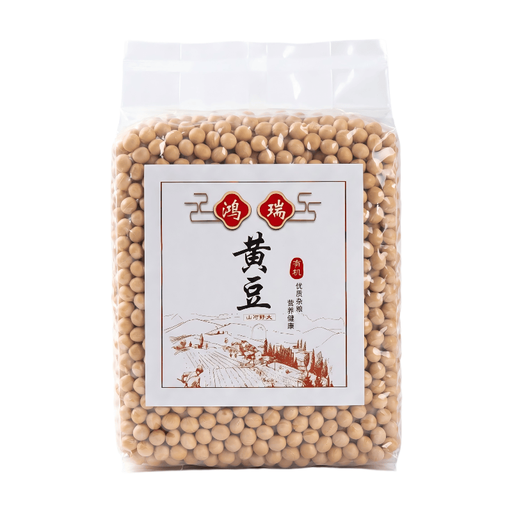
Why This Fits Their Persona: Ideal for anyone who prefers to prepare their food from scratch. These beans are the perfect base for homemade soy milk, tofu, or as a nutritious ingredient in soups and stews. The large pack is convenient for regular use.
The product has a clear organic certification and is declared as organic soy. This bypasses the trap of vague quality claims and guarantees controlled, GMO-free cultivation.
High protein content of 37.8 g per 100 g. The beans are plump, uniform, and have a rich aroma, indicating freshness and high quality.
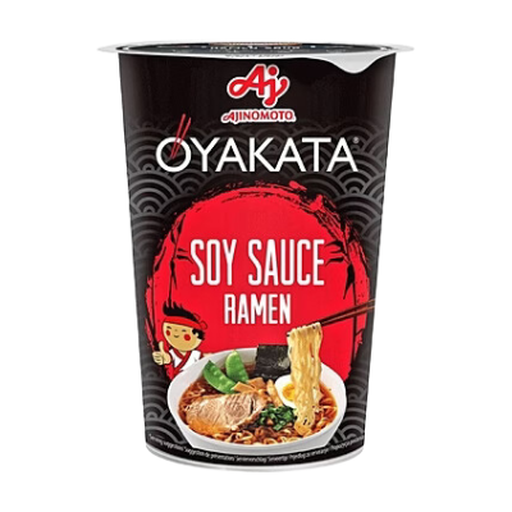
Why This Fits Their Persona: A quick and easy meal for the office or when you're short on time at home. The classic shoyu ramen flavour offers an authentic Japanese taste experience without extensive cooking.
The transparent ingredient list, which specifies soy sauce powder and chicken extract as the primary seasoning agents, avoids the trap of hidden or inferior flavourings. The sugar content is moderate at 0.9 g per 100 ml of prepared soup.
Ready in minutes directly in the cup. The broth is based on a classic soy sauce recipe, ensuring an authentic taste.
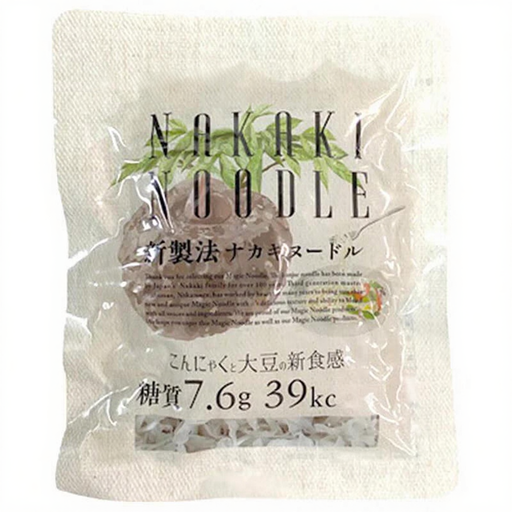
Why This Fits Their Persona: These noodles are an excellent choice for a calorie-reduced, ketogenic, or low-carb diet. They offer the texture of noodles without the carbs and calories of conventional pasta, making them ideal for athletes and health-conscious individuals.
This product is a direct answer for those seeking low-calorie noodles. It avoids the trap of "light" products that often contain hidden sugars. The ingredient list is minimal: water, konjac flour, soybean powder, and an acidity regulator.
According to the manufacturer, they are virtually calorie-free (0 kcal/100g) and sugar-free. The noodles are odourless and absorb the flavour of sauces and spices very well.
We have compiled a complete, up-to-date list of products that fully meet these strict selection criteria and comply with all relevant food regulations.
Correct preparation is crucial for texture and taste. Soak the dried soybeans in plenty of cold water for 8-12 hours or overnight before cooking. The beans will double in volume. After soaking, drain the water, rinse the beans, and then cook according to your recipe, e.g., for stews, purées, or for making soy milk.
Low-calorie noodles from konjac and soy are a functional alternative, but not a 1:1 replacement for wheat noodles. They provide hardly any energy or nutrients but are rich in dietary fibre, which can contribute to a feeling of fullness. Their texture is firmer and slightly rubbery. They are an excellent vehicle for flavourful sauces in a calorie-controlled diet.
For authentic dishes like Japanese ramen, choosing the right seasoning is key. Look specifically for products labelled shoyu ramen or instant ramen soy sauce, as these are based on traditional Japanese soy sauce. For dishes that require whole beans, like Korean Kongjang (soybeans simmered in soy sauce), the quality of the dried soybeans is crucial for the final result.