
Lieferung heute & morgen

Qualitätsgarantie

Willkommens-Angebote freischalten: KOSTENLOSE Lieferung | Bis zu 80 % RABATT | Kostenlose 30-Tage-JoyPlus-Testphase
App herunterladen
Choosing the right soy sauce can be daunting with so many options on the shelf. Whether for an authentic sushi experience, a robust marinade, or a special diet, the right sauce is key to a dish's success. This guide will help you understand the different types of soy sauce and make an informed decision the next time you buy soy sauce. We will present objective criteria and a selection of products suited for various culinary purposes.
Before you decide on a product, the following three points will help you narrow down your options and find the perfect soy sauce for your needs.
Soy sauces vary significantly in taste, consistency, and saltiness. A light soy sauce is typically thinner and saltier, making it a good all-purpose seasoning or dip. Dark soy sauces are often aged longer, are thicker, and have a more intense colour as well as a more complex, less salty flavour. They are frequently used to add colour to dishes and for braising. A special soy sauce for sushi, on the other hand, is milder so as not to overpower the delicate flavour of the fish.
The flavour profile is another important criterion. Are you looking for a sweet soy sauce? Then Indonesian Kecap Manis is an excellent choice. This thick sauce, sweetened with palm sugar, is ideal for marinades and grilled dishes. Classic Japanese soy sauces, like those from Kikkoman, are known for their balanced umami flavour, which comes from a natural brewing process and lends a special depth to dishes.
There are also suitable alternatives for those with special dietary needs. A low-sodium soy sauce offers the full flavour with significantly less sodium. If you need to avoid gluten, you can opt for gluten-free soy sauce. Here, Tamari is a popular option, as it is traditionally made with little to no wheat. However, always check the ingredients list and look for an explicit "gluten-free" label.
Here is a selection of soy sauces suitable for different applications and preferences.
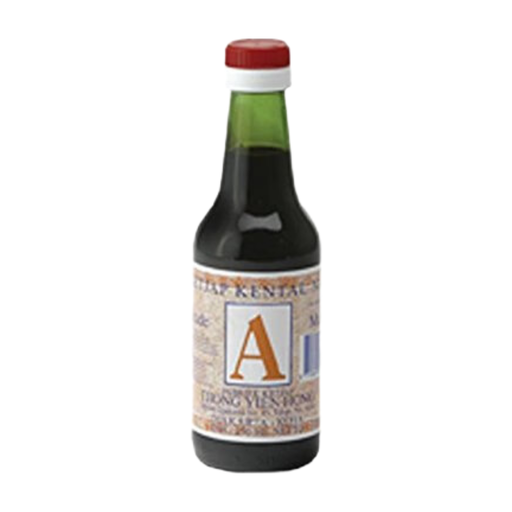
What makes it special: This sauce is a classic example of Kecap Manis, an Indonesian sweet soy sauce. Its thick, syrupy consistency and distinct sweet-savoury aroma make it an essential ingredient for dishes like satay skewers or Nasi Goreng. The soybean base is enriched with sugar, which gives it its characteristic flavour.
Pros:
Best for: Those who appreciate the authentic sweetness of Indonesian cuisine or are looking for a versatile, sweet seasoning sauce for barbecues and stir-fries.
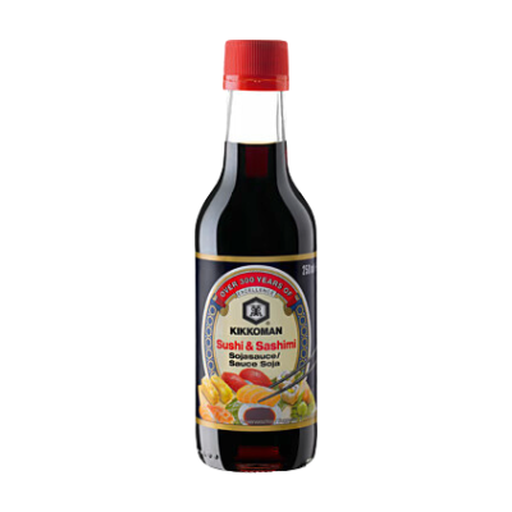
What makes it special: This soy sauce for sushi from Kikkoman was specifically developed to accompany raw fish. It is milder and slightly sweeter than the classic version to complement, rather than dominate, the delicate taste of sushi and sashimi. The recipe is based on naturally brewed soy sauce, refined with sugar and yeast extract.
Pros:
Best for: Anyone who enjoys sushi and sashimi at home and is looking for a high-quality, flavour-matched dipping sauce.
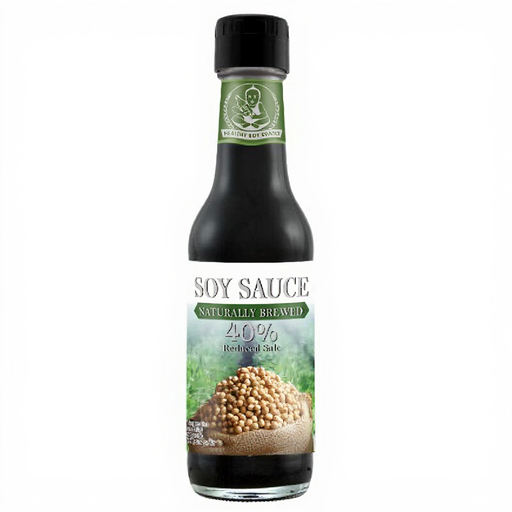
What makes it special: According to the manufacturer, this low-sodium soy sauce from the Healthy Boy brand contains 40% less sodium than comparable standard soy sauces. It is made through a natural brewing process and offers a full-bodied umami flavour despite its reduced salt content.
Pros:
Best for: Health-conscious consumers and individuals who need to reduce their salt intake for dietary reasons but don't want to give up the classic soy sauce taste.
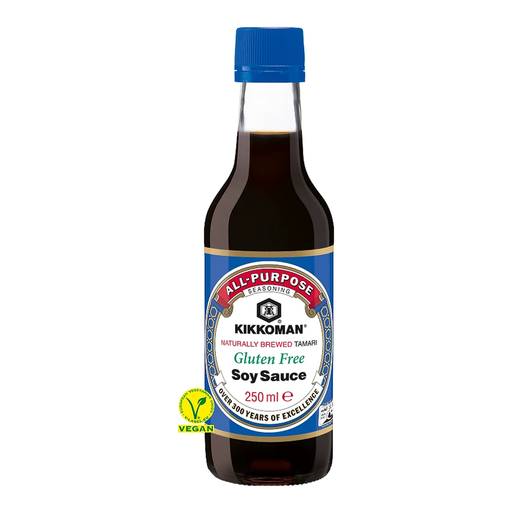
What makes it special: This gluten-free soy sauce from Kikkoman is a Tamari sauce made exclusively from soybeans, water, salt, and spirit vinegar—entirely without wheat. This makes it suitable for people with celiac disease or gluten intolerance. In terms of taste, it is often a bit more robust and less salty than conventional soy sauce.
Pros:
Best for: Individuals with gluten intolerance, vegans, and chefs who prefer a strong, pure soy flavour for their dishes.
Haven't found the right sauce for your needs yet? The range of Asian sauces online is diverse and offers the right product for every taste.
Explore more varieties and find your favourite in our 250ml Sauce category.
The main difference lies in the ingredients. Conventional soy sauce is brewed from a mixture of soybeans and wheat. Tamari, on the other hand, is traditionally made only from soybeans, which makes it a suitable gluten-free soy sauce. In terms of taste, Tamari is often darker, slightly thicker, and has a richer, less salty flavour.
Generally, yes, but a special soy sauce for sushi is recommended. These sauces are milder and slightly sweet to enhance the delicate flavour of raw fish rather than overpowering it. A soy sauce that is too strong or salty can detract from the flavour experience.
Unopened soy sauce can be stored in a cool, dark place. After opening, the bottle should be stored tightly sealed in the refrigerator. This helps to preserve the flavour and quality of the sauce over a longer period and protects it from oxidation.