
Lieferung heute & morgen

Qualitätsgarantie

Willkommens-Angebote freischalten: KOSTENLOSE Lieferung | Bis zu 80 % RABATT | Kostenlose 30-Tage-JoyPlus-Testphase
App herunterladen
A quality soy sauce is essential for anyone looking to create authentic Asian cuisine. Yet, when faced with a wall of options, many home cooks find themselves overwhelmed. The sheer variety of types, brands, and labels can be confusing, often leading to the wrong purchase. As your Joybuy Product Recommendation Officer, I'm here to help you navigate the common pitfalls and make a well-informed decision.
The most common mistakes when buying soy sauce are quickly identified:
You don't need to be an expert to make the right choice. Simply understanding three fundamental parameters that define a soy sauce's character and use is enough.
The most basic distinction is between light and dark soy sauce. Both are indispensable in Asian cooking but are not interchangeable.
The quality of a soy sauce depends heavily on how it's made.
For specific culinary needs, there are adapted versions:
Here are some recommendations from our range, tailored to different needs and cooking styles.
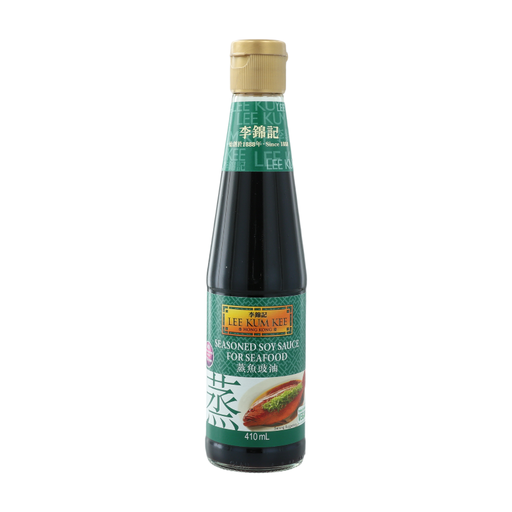
Why This Fits Their Persona: Perfect for those who regularly prepare steamed fish or seafood and appreciate the authentic taste of Cantonese cuisine. This sauce is ready to use, saving you the effort of mixing your own seasonings.
It avoids the mistake of using a standard soy sauce that is too strong or salty, which would overpower the delicate flavour of fish. Its balanced, slightly sweet profile is specifically designed to complement seafood.
Specially formulated for seafood; from the established brand Lee Kum Kee, known for its consistent quality.

Why This Fits Their Persona: Ideal for cooks who want to give their braised dishes, such as "Hong Shao Rou" (red-braised pork belly), a deep, appealing colour and a rich flavour.
This is a classic dark soy sauce that specifically meets the need for colour and depth. It avoids the error of using a light soy sauce, which would only add salt to the dish without imparting a dark, caramelised note.
Naturally brewed for over 100 days for a complex aroma; gives dishes an appetising, golden-brown glaze.
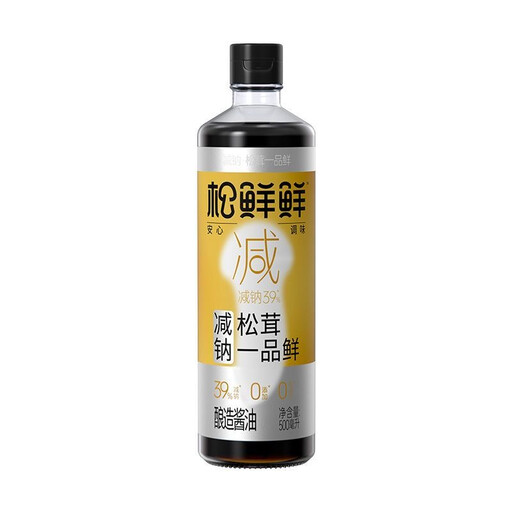
Why This Fits Their Persona: For anyone who watches their salt intake but doesn't want to compromise on full umami flavour. This sauce is an excellent choice for everyday cooking.
It debunks the myth that soy sauce must always be extremely salty. By specifically reducing the sodium content and enriching it with natural umami from Matsutake mushrooms, it offers a flavourful and mindful alternative.
Contains 30% less sodium than comparable standard soy sauces, according to the manufacturer; natural umami from Boletus edulis mushrooms (松茸).
We've compiled a complete, up-to-date list of products that meet these strict selection criteria and fully comply with German food regulations.
Although both are brewed from soybeans, there are significant differences. Chinese soy sauce is often made with a higher proportion of soybeans, resulting in a saltier and more robust flavour profile. Japanese soy sauce (shoyu) almost always contains a significant amount of wheat, which, during fermentation, provides a slightly sweeter, more complex, and aromatic finish. For everyday use, the difference is most relevant for dips and light seasonings, where the aroma of Japanese shoyu is often perceived as more well-rounded.
Once opened, soy sauce should be stored in the refrigerator. The cool, dark environment slows down oxidation processes and helps preserve the sauce's aroma and quality for months. Unopened, it can be stored for a long time in a cool, dry place.
No, most traditionally brewed soy sauces, both Chinese and Japanese, contain wheat as an ingredient and are therefore not gluten-free. Individuals with celiac disease or gluten intolerance should look for products specifically labelled "gluten-free" or for "Tamari." Tamari is a type of Japanese soy sauce traditionally made with little to no wheat. Always check the ingredients list on the label.