
Lieferung heute & morgen

Qualitätsgarantie

Willkommens-Angebote freischalten: KOSTENLOSE Lieferung | Bis zu 80 % RABATT | Kostenlose 30-Tage-JoyPlus-Testphase
App herunterladen
Preparing fish and seafood requires a delicate touch. A common challenge is choosing the right seasoning: the wrong soy sauce can easily overpower the subtle flavour of a delicate fish fillet or dominate it with excessive saltiness. The result is often disappointing and a far cry from the balanced flavour profile you know from high-quality Asian restaurants.
As your Joybuy Product Recommendation Officer, my role is to provide you with clear and objective information. This guide will help you understand the key features of a suitable soy sauce for fish and introduce a selection of products specifically designed to enhance seafood dishes.
Not all soy sauces are equally suited for every dish. When selecting a sauce for fish and seafood, there are several specific criteria to consider.
A seasoned soy sauce for fish is typically formulated differently than an all-purpose light or dark soy sauce. It's often lighter in colour and taste, with a subtle sweetness that enhances the natural flavour of fish and seafood soy sauce rather than overpowering it. These sauces are ideal as a base for a sauce for steamed fish, a classic preparation method in Chinese cuisine.
Sodium content is a critical factor. Fish and seafood already have a delicate, naturally slightly salty flavour. A sauce that is too salty will disrupt this balance. Look for products labelled as low-sodium or compare the sodium content on the nutritional information panel. If you specifically want to buy low-sodium soy sauce, check the product description for this information. High-quality products are often based on naturally brewed soybeans and may contain additional ingredients like ginger, sugar, or special extracts to round out the flavour.
Traditional Chinese fish sauce—or more accurately, Chinese soy sauce for fish—is often made using time-honoured brewing methods that result in a more complex and well-rounded flavour. Brands with a long heritage have perfected their recipes over decades to create the optimal balance for seafood dishes.
Based on the criteria above, we have curated a selection of products that stand out for their specific suitability for fish and seafood dishes.
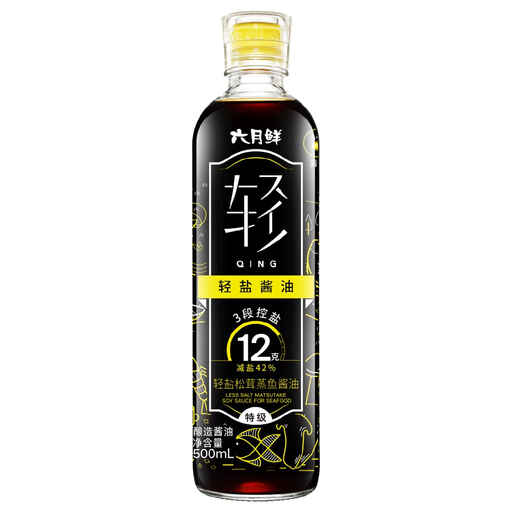
Why it stands out: This soy sauce combines traditional fermentation with special ingredients. The addition of Matsutake mushroom extract (≥10mg/100ml) provides a deep umami flavour, while real lemon juice helps neutralise fishy odours and adds a fresh note.
Benefits:
Who it's for: For health-conscious cooks looking for a low-sodium option, and for connoisseurs who appreciate a nuanced, multi-layered flavour profile that goes beyond simple saltiness.
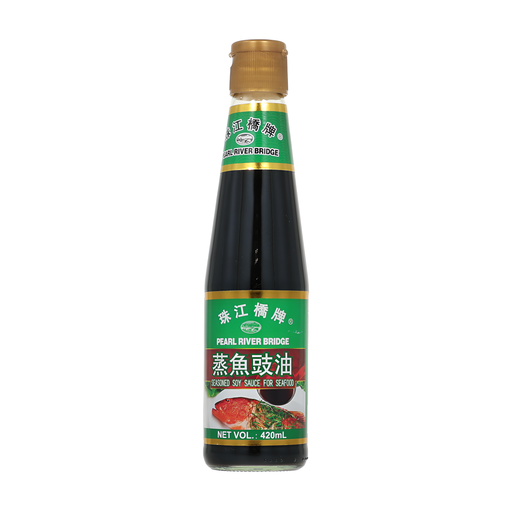
Why it stands out: This product is a classic soy sauce specially developed for steamed fish. It is brewed from non-GMO soybeans and combines traditional techniques with modern technology for consistent quality.
Benefits:
Who it's for: For home cooks who want to prepare an authentic Cantonese dish like steamed fish and are looking for a reliable, classic seasoning sauce.
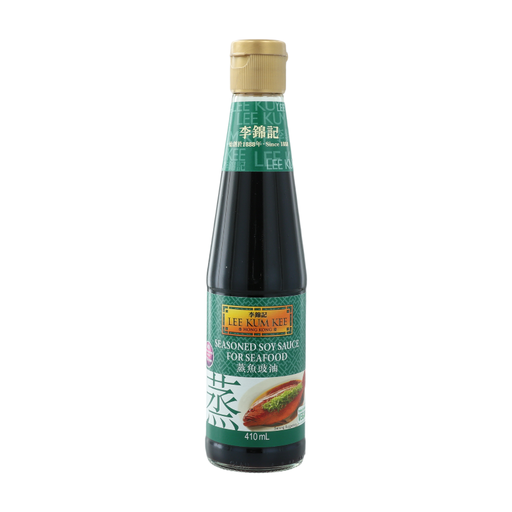
Why it stands out: The Lee Kum Kee Seafood Soy Sauce is a ready-to-use seasoning sauce from a brand with over 130 years of experience. It is designed to be used directly without any additional ingredients, significantly simplifying preparation.
Benefits:
Who it's for: For anyone looking for a quick and straightforward solution to create restaurant-quality fish dishes at home, effortlessly.
These three products offer a great starting point for preparing delicious fish and seafood dishes. However, the world of Asian seasoning sauces is vast and offers numerous other flavours and specialities.
If you are looking for other varieties or specific flavour profiles, you can find a broader selection to meet your culinary needs in our seasoned soy sauce category.
Yes, you can. However, a conventional light soy sauce is often saltier and less complex in flavour. A version specifically formulated as a soy sauce for seafood is typically milder, often slightly sweetened, and designed to complement the delicate taste of the fish rather than dominate it.
The classic method is simple and effective:
Light soy sauce is thinner, saltier, and primarily used for seasoning during cooking or as a dipping sauce. Dark soy sauce is fermented for longer, often with molasses or caramel added, making it thicker, darker, and sweeter. It is mainly used to add colour to dishes and for a richer, more malty flavour. Soy sauces for fish are typically based on a light soy sauce that has been further refined.