
Lieferung heute & morgen

Qualitätsgarantie

Willkommens-Angebote freischalten: KOSTENLOSE Lieferung | Bis zu 80 % RABATT | Kostenlose 30-Tage-JoyPlus-Testphase
App herunterladen
Soya bean paste can add fermented flavours to stir-fries, soups, noodles, marinades and dips. But choosing one in the UK isn’t always straightforward: terms such as fermented soya bean paste, Asian bean paste, doenjang and miso paste refer to different products, each with its own ingredients and uses.
Three common buying pitfalls are worth looking out for:
“Bean paste” isn’t a single, clearly defined product type. Chinese soya bean paste is often used for stir-frying, braising and marinating, or served as a dip. It can be sweet, salty or spicy.
Doenjang is a Korean fermented soya bean paste with a strong, savoury flavour. It’s used in stews, soups, marinades and dipping sauces. Ssamjang, by contrast, is already seasoned and typically contains other ingredients such as chilli paste, garlic or sesame. This makes it ready to serve as a dip, for example with vegetables or grilled food.
Miso paste, particularly light shiro miso, is traditionally made with soya beans and rice. It works well in miso soup, dressings and mild marinades. Black bean paste, also known as chunjang, is made for dishes such as Korean jajangmyeon.
It’s worth checking the full ingredient list before adding a product to your basket. Asian seasoning pastes often contain:
For anyone with allergies, the labelling is essential. Depending on the recipe, the products featured contain soya, wheat or gluten, and in some cases sesame or peanuts. If you follow a vegan diet, check the labelling on the individual product too, as ingredients and packaging information can vary.
Salt levels vary considerably. Some products list around 7 to over 20 g per 100 g. That doesn’t mean the paste is unsuitable; it simply means you should use it sparingly as a concentrated seasoning paste.
Many products need to be kept in the fridge once opened. This includes pastes with a recommended storage temperature of 0 to 4 °C and products that should be used within a specified period. Always follow the label and best-before date. Using a clean spoon helps reduce the risk of contamination.
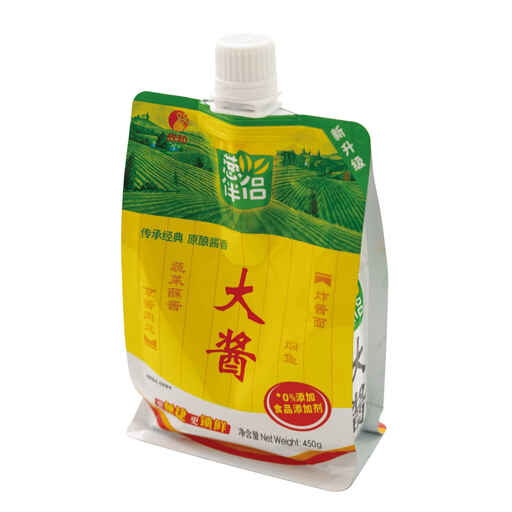
Why it suits this profile: The 450 g pack offers a versatile Chinese soya bean paste for dips, pancakes, rice dishes and stir-fries.
The ingredients list names water, soya beans, wheat and salt, so you can check the flavour profile and allergens before buying.
450 g pack, described as fermented in the product information, and ready to use as a dip or in cooking.
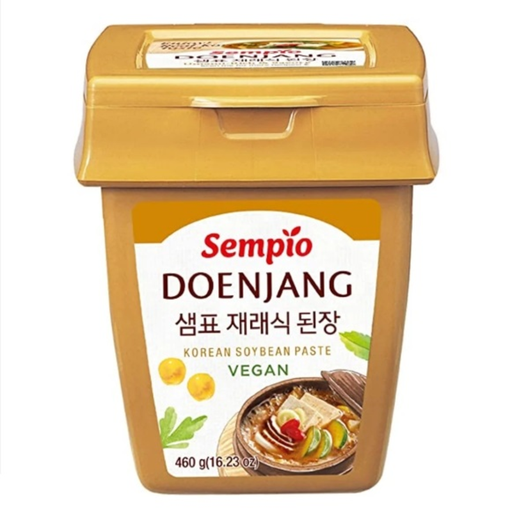
Why it suits this profile: This Korean paste is designed for doenjang-jjigae, marinades and robust dipping sauces.
This is specifically doenjang, not a milder miso or seasoned ssamjang. The listed salt content is 11.8 g per 100 g.
460 g pack, 14 g of protein and a listed recipe containing soya beans, salt, wheat flour and koji starter.
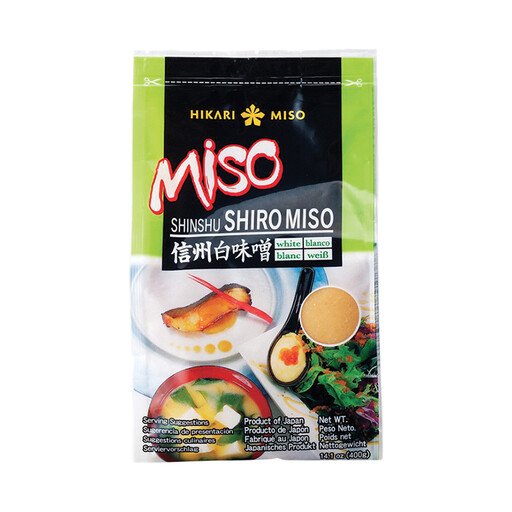
Why it suits this profile: Shiro miso is a milder Japanese miso paste for soups, dressings, glazes and plant-based recipes.
The product description lists water, soya beans, rice and salt as the recipe base, and says it is suitable for vegetarian and vegan diets.
400 g pack with versatile uses in stock, dressings and marinades; listed as containing soya.
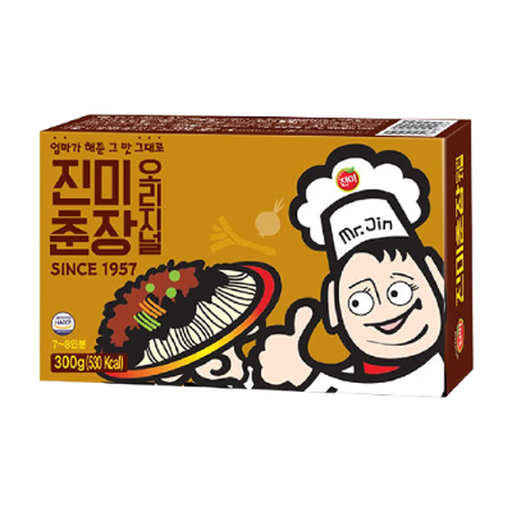
Why it suits this profile: This Korean chunjang paste is intended for jajangmyeon, jajangbap, noodle dishes, marinades and stir-fried sauces.
It’s clearly intended for black bean noodles and related dishes. According to the product information, the paste should be fried in oil before continuing with the recipe.
300 g pack of fermented black bean paste with specific uses for jajangmyeon; contains soya and wheat.
We’ve put together a complete, regularly updated list of products that meet these strict selection criteria and fully comply with the safety regulations in force in the EU.
Depending on the variety, the paste can be served as a dip, stirred into soups or fried with oil and other ingredients. A small amount is usually enough for stir-fries; mix it with vegetables, noodles, tofu or meat. Product instructions may recommend frying chunjang before use.
The best-before date applies to the unopened pack and is shown on the label. Once opened, refrigerate the paste as instructed by the manufacturer and use it within the recommended period. Some products have a particularly short recommended usage period. Check the colour, smell and texture before use.
There’s no single answer. Many products contain wheat flour, so they aren’t gluten-free. Some are described as vegan, while others contain additional ingredients that need to be checked individually. If you have an allergy, check the highlighted allergens and the current packaging information before buying and eating the product.