Busy, independent coffee drinkers
If you make your cappuccino before work, you’ll want as few steps as possible before it’s ready to pour into your travel mug.


For a quick soya cappuccino on a weekday, a bean-to-cup machine is a natural place to start, especially if its milk system is specifically advertised as suitable for plant-based drinks. If you want to control the espresso and foam yourself and have time for a hands-on approach, you could choose a portafilter machine. A capsule machine with an automatic steam wand means less manual work when making the foam, but ties you to ORIGINAL capsules. None of these product details guarantees the quality of the foam with every soya drink recipe – cleaning and keeping the drink chilled during transport are separate considerations.
If you make your cappuccino before work, you’ll want as few steps as possible before it’s ready to pour into your travel mug.
If you want to prepare the espresso and soya drink yourself and have control over the foam, a manual steam wand could be a good option – but it takes extra time and practice.
If you pack your drink to have later, you’ll need to think about storing opened soya drink and keeping your cappuccino chilled in transit, as well as choosing a machine.
A good fit if: You want to keep the number of steps to a minimum in the morning. Philips also advertises LatteGo on the EP3347/90 as suitable for plant-based alternatives.
The trade-off: The milk system parts need cleaning, and the manufacturer’s claims don’t guarantee results with every soya drink recipe.
A good fit if: You want to control the coffee-making and frothing yourself, and are happy to set aside time for it in the morning.
The trade-off: Making espresso and frothing the milk require hands-on work; De’Longhi’s Dedica Duo EC890.M does not list an integrated grinder.
A good fit if: You want to make coffee with ORIGINAL capsules and avoid frothing manually with a steam wand.
The trade-off: The Nespresso Creatista Plus is designed for ORIGINAL capsules, and there’s no guarantee of a particular result with soya drink.
| What you’re looking for | What to check before buying | Who it matters most to |
|---|---|---|
| Soya drink and foam | Details of the specific milk system or steam wand, and guidance for the drink you use | If soya foam is especially important to me, I want more control over how it’s made. Around 31 % of consumers put this need first. |
| Morning routine | Compare the full process, from making the coffee and frothing the milk to filling your cup | If I pack my cappuccino before work, I want to keep the number of steps to a minimum. Around 25 % of consumers prioritise a quick routine. |
| Cleaning and maintenance | Check which milk system parts are removable and read the care instructions for the specific model | If I use the machine regularly, I want to know what cleaning it will involve day to day. Around 25 % of consumers say maintenance is their top priority. |
| Keeping it chilled until lunchtime | Follow the storage guidance for your soya drink and plan how to keep it chilled in transit | If I won’t drink it until later, I want to know how to store it in the meantime. Around 19 % of consumers prioritise storage. |
Philips advertises LatteGo on the EP3347/90 as suitable for plant-based alternatives. This isn’t an independent comparison of different soya drinks, nor does it confirm the results you’ll get with every recipe.
Check the information for the specific model, and bear in mind that it can’t tell you what results you’ll get with your preferred drink.
A manual portafilter machine requires different steps from a bean-to-cup machine or a capsule machine with an automatic steam wand. To get your travel mug ready, you’ll also need to factor in preparing the coffee, frothing the milk and filling the mug.
Think through the process from making the coffee to packing your cappuccino, and decide which steps you’re happy to do in the morning.
The two parts of the Philips EP3347/90’s LatteGo system still need cleaning. Philips says they can be rinsed under running water or cleaned in the dishwasher.
Compare the care instructions for the specific model with your regular routine.
The German Consumer Advice Centre recommends keeping opened plant-based drinks in the fridge. The German Federal Institute for Risk Assessment also highlights the importance of keeping perishable foods sufficiently chilled during transport.
Follow the storage instructions for the soya drink you use, and plan how to keep it chilled until you drink it separately from your choice of machine.
The EP3347/90 bean-to-cup machine makes cappuccino at the touch of a button and features the LatteGo milk system. Philips also advertises this model as suitable for plant-based alternatives.
The Dedica Duo EC890.M is a slimline portafilter machine with espresso recipes and a manual My-LatteArt steam wand.
The Barista Express BES875 combines an integrated grinder with manual milk frothing.
The Creatista Plus makes espresso with ORIGINAL capsules and has an automatic steam wand for cappuccinos.
This selection features fully automatic espresso machines for your morning coffee and cappuccino routine. Check the details for each model if you’re specifically looking to froth soya drink.
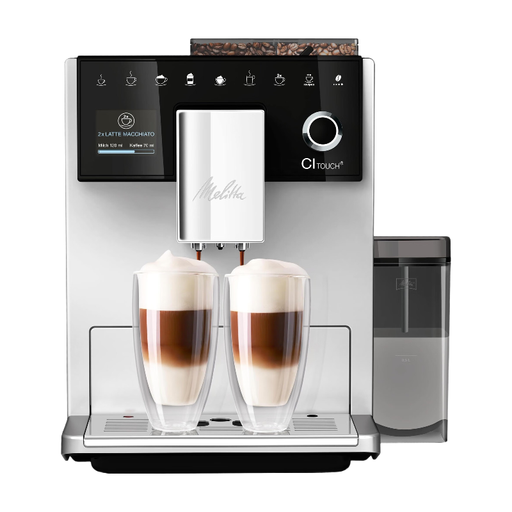 No image available
This bean-to-cup machine could be an option if you don’t want to make coffee manually with a portafilter machine.
The product name lists a milk system, a milk frother and an integrated grinder. Check the model details for use with your soya drink.
 No image available
This bean-to-cup machine could suit you if you don’t want to spend time making coffee with a portafilter in the morning.
The product name identifies it as a bean-to-cup coffee machine. Before buying, check the details of the milk system and soya drink compatibility for this specific version.
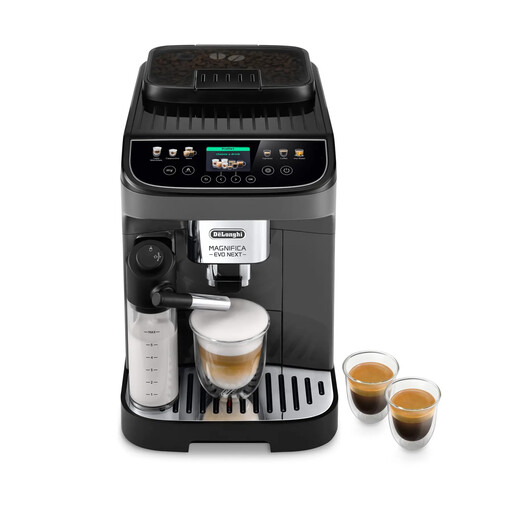 No image available
This bean-to-cup machine could be a good option if you don’t want to prepare coffee manually with a portafilter.
Check the product details for milk preparation and to see whether this specific model is suitable for your preferred soya drink.
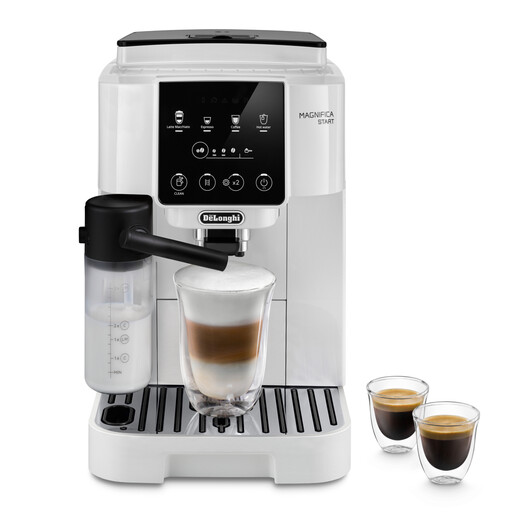 No image available
This bean-to-cup machine could be a good choice if you’d rather not make coffee manually with a portafilter in the morning.
Check the details for this version’s milk system and find out whether it works with the soya drink you want to use.
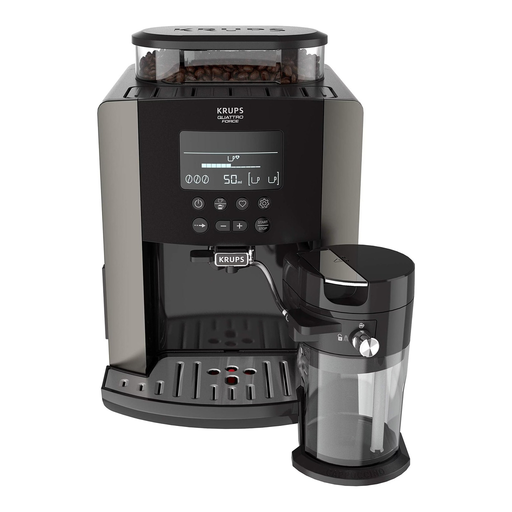 No image available
This bean-to-cup machine could suit you if you want to make coffee without the manual work of a portafilter machine.
The product name lists 15 Bar, an LCD display, a metal grinder and adjustable drinks programmes. Check the cleaning and descaling instructions for the model, too.
If soya is a must for you, look for information about the specific model rather than general claims about bean-to-cup machines. Philips advertises LatteGo on the EP3347/90 as suitable for plant-based alternatives, but this doesn’t independently confirm the foam quality you’ll get with every soya drink recipe.
Follow the instructions for your specific model. Philips describes LatteGo on the EP3347/90 as a two-part system with no tubes, and says its parts can be rinsed under running water or cleaned in the dishwasher. It still needs cleaning.
No. The German Consumer Advice Centre says opened plant-based drinks should be kept in the fridge and put back promptly after use. This doesn’t tell you how long a ready-made cappuccino will keep unrefrigerated while you’re out and about.
Depending on the type of machine, check whether you’ll need to budget for capsules, water filters, descaler or separate coffee-preparation equipment. Your statutory rights against the seller are separate from any voluntary guarantee, which comes with its own terms and conditions.
No. The European Union points out that manufacturers are responsible for meeting the applicable requirements. The CE mark doesn’t rate espresso taste or soya foam; separate EU rules also apply to materials that come into contact with food.