
Lieferung heute & morgen

Qualitätsgarantie

Willkommens-Angebote freischalten: KOSTENLOSE Lieferung | Bis zu 80 % RABATT | Kostenlose 30-Tage-JoyPlus-Testphase
App herunterladen
A soya milk maker can process soya beans, nuts, oats or rice to make hot or cold drinks. For families, working people, students and anyone who follows a vegan or vegetarian diet, one of these appliances is especially useful if it can handle several steps — such as heating, blending and keeping warm — in a single container.
However, models vary considerably in capacity, programmes, ease of use and cleaning. A long list of features alone doesn’t tell you how practical an appliance will be day to day. What matters is whether it suits your household’s needs, your kitchen and the amount of cleaning you’re prepared to do.
A compact 300 ml appliance can be handy for a single serving at work or while travelling. That capacity won’t be enough for several people, though. A 1-litre milk maker is a better choice for families or households that want to make several servings at once.
Also check the minimum and maximum fill marks. When heating, don’t exceed the maximum fill level, as the liquid may froth up or overflow.
An automatic cleaning function can loosen residue from the blades, container and lid. However, you may still need to rinse, wipe or dry individual parts. Before buying, check whether the manufacturer provides specific cleaning instructions and which parts must not go in the dishwasher, microwave or steriliser.
If you’re considering a self-cleaning milk maker, these points are particularly important:
A soya milk machine with a timer lets you add ingredients the night before and set the appliance to start later. Check whether the timer can be set for up to 9 or 12 hours, and whether you can use it with your chosen programme. The keep-warm function should also be clearly explained: its temperature range, duration and automatic shut-off matter more for everyday use than a general marketing claim.
For one person or an occasional serving, 300 ml to 600 ml should be enough. According to product specifications, a 600 ml appliance may be intended for around one to three people. For families or several glasses a day, 1,000 ml is more practical.
Bear in mind that the maximum fill line may limit the amount you can make when preparing hot drinks. The stated capacity doesn’t necessarily match the amount of drink ready to serve.
Heated appliances combine liquid, heat and fast-moving blades. Several of the models featured here specify an inner container made from 304 stainless steel. Others use heat-resistant borosilicate glass. Other features to look for include:
Use a multifunction blender with a heating function only as directed in the instruction manual. Take particular care with the lid, pouring direction and cooling times when handling hot liquids.
Depending on the model, a plant milk maker may have programmes for soya milk, nut milk, oat milk, rice paste, juice or hot water. If you want to make almond milk at home, check whether the instructions allow you to process nuts directly or require you to soak them first.
The recommended quantities and liquid ratios are important for an oat milk maker or rice milk maker, too. More programmes don’t automatically make an appliance better suited to every recipe. Look for clear instructions and programme times that are easy to understand.
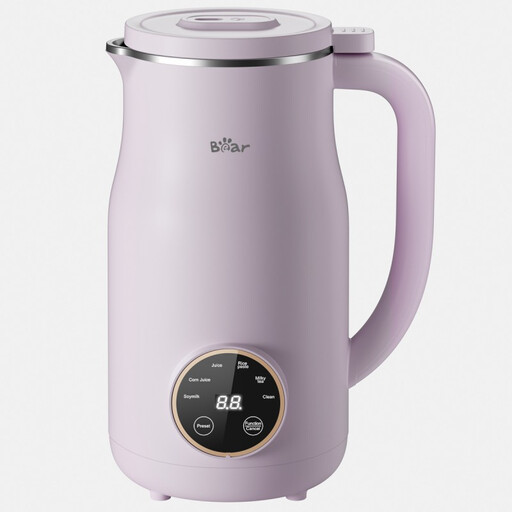
Why it suits this need: The 600 ml capacity is a manageable size for smaller households and individual daily servings. Five programmes, a timer and a cleaning function cover the basics.
The stated maximum fill level and safety lock help prevent overfilling and operation with the lid incorrectly closed.
600 ml capacity, 304 stainless steel inner container, up to 12-hour delay timer and one-touch cleaning.
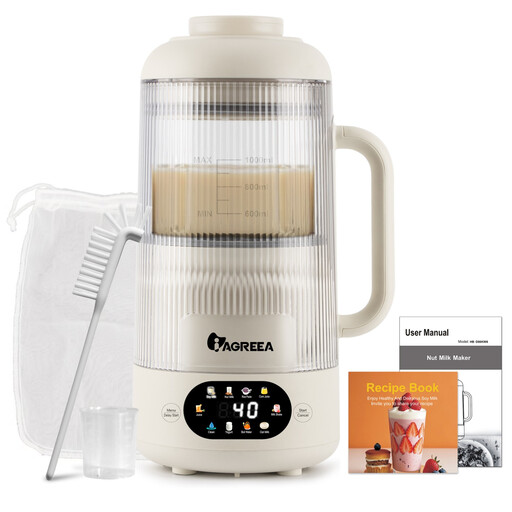
Why it suits this need: The 1-litre container, ten preset programmes and stated soundproofing make this a good fit for households that regularly prepare hot and cold drinks.
The clear minimum and maximum fill markings help you fill it accurately. According to the product details, the cleaning programme also includes drying and sterilising.
1,000 ml capacity, 12-hour timer, borosilicate glass and ten programmes, including self-cleaning.
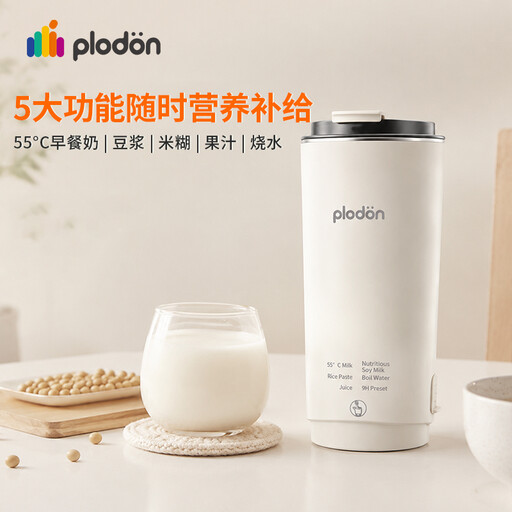
Why it suits this need: The compact 300 ml size is ideal for individual servings at work, while travelling or in a small kitchen. The 55-degree function is designed for warm breakfast drinks.
Its small capacity makes it clear that this appliance is intended for single servings. That helps avoid mistakenly choosing a travel-friendly model for a family household.
300 ml, 9-hour preset timer, 304 stainless steel inner container and automatic cleaning.

Why it suits this need: The 1,000 ml capacity, eight programmes and keep-warm function are designed for regularly making several servings at a time.
The marked water levels and lid sensor help prevent two common mistakes: overfilling and starting the appliance with the lid incorrectly closed.
1,000 ml capacity, 12-hour delayed start, two-hour keep-warm function, eight programmes and self-cleaning.
We’ve put together a complete, regularly updated list of products that meet these strict selection criteria and fully comply with the safety regulations in force in the EU.
Before using the appliance for the first time, clean the container as instructed. Never touch the blades with your hands. Containers and lids can get very warm when making hot drinks, so use the handles provided and keep children away from the appliance.
Also allow time between multiple cycles. For example, the Plodon model specifies a wait of at least 30 minutes between runs. Following guidance like this can help reduce strain on the motor and heating element. Power consumption, how long you use the appliance and how often you use it are the main factors affecting running costs. Heating programmes generally use more energy than cold blending programmes.
It depends on the model and programme. Some product descriptions mention both dried and soaked beans. Always follow the quantities and preparation instructions in the manual.
There’s no single answer. Its lifespan depends on factors including your cleaning routine, breaks between cycles, fill levels and how you care for the blades, seals and motor unit. Clean and dry the appliance thoroughly after each use, following the instructions.
It depends on the cost of ingredients, electricity use, portion size and how often you use it. A larger container can make several servings in one cycle. For a realistic comparison, factor in the cost of beans or nuts, water, energy and any filters or cleaning accessories.