
Lieferung heute & morgen

Qualitätsgarantie

Willkommens-Angebote freischalten: KOSTENLOSE Lieferung | Bis zu 80 % RABATT | Kostenlose 30-Tage-JoyPlus-Testphase
App herunterladen
Soya milk powder is a practical alternative to liquid plant-based drinks for many households. It takes up little storage space, can be prepared in individual portions and is useful for breakfast, coffee, smoothies and baking. Products can vary considerably, though, in their soya content, type of sugar, protein content, portion size and preparation method.
If you only look for terms such as “natural”, “sugar-free” or “high in protein”, you could miss important details. The criteria below will help you compare soya powders objectively and avoid buying the wrong product.
Soya drink powder may be labelled “no added sucrose” even when it contains maltose syrup. That’s why it’s important to check the ingredients list and the stated sugar content per 100 grams.
For example, according to the product information, YON HO Sugar-Free Soy Milk Powder contains no added sucrose but lists maltose syrup as an ingredient and has 4.5 grams of sugar per 100 grams. Other varieties containing sugar or syrup can have considerably higher levels. If you want to reduce your sugar intake, don’t just look at the front of the packaging.
The name soya milk powder alone tells you nothing about its protein content. According to the nutritional information, pure soya bean products can contain, for example, 40 grams of protein per 100 grams. Blends with maltodextrin, sugar, grains or flavourings are often lower in protein.
“Black soya milk powder” is not automatically higher in protein either. If you’re considering a variety made with black soya beans, check the specific nutritional values per 100 grams and the actual bean content.
Single portions are handy for the office, travelling or taking to the gym. A 720- or 800-gram pack may be a better choice for families and regular use. The key factor is not just the pack price, but the price per portion.
Opened packs should also be stored in a cool, dry place and sealed tightly. Moisture can affect how easily the powder pours and dissolves. Once prepared, the drink should be consumed promptly, following the instructions on the packaging.
Ideally, the ingredients list for a pure product should contain only soya beans. However, that doesn’t mean it’s suitable for everyone: soya is an allergen that must be declared. Blended products may also contain milk, sesame, oats, rye or other ingredients.
If you have a milk allergy or lactose intolerance, check the full ingredients and allergen information. A soya-based product is not automatically suitable for every individual intolerance. You should also check for warnings about possible traces of allergens.
Compare at least:
Values per 100 grams make it easier to compare products. For everyday use, it’s also worth considering how much powder you’ll actually use per cup.
Instant soya milk should mix well with the amount of water specified by the manufacturer. Depending on the product, around 150 to 200 millilitres of water per portion may be recommended. Some varieties need hot water at around 80 °C, while cold-brew products can also be made with room-temperature water.
If you want to use soya milk powder at the office or on the go, look for single-serve portions, clear measuring instructions and the recommended water temperature. For smoothies and baking, a neutral, unsweetened plant-based milk powder may be more versatile than a flavoured blend.
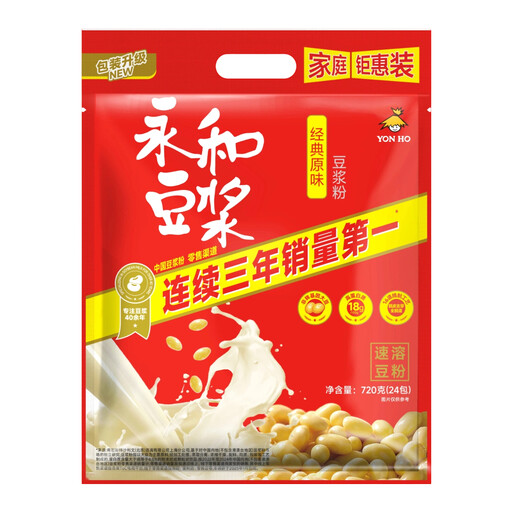
Why this product suits this profile: The 720 g bulk pack is designed for regular preparation at home, making it suitable for breakfast or several cups for the household.
The ingredients list includes soya beans, maltose syrup and maltodextrin. This makes it clear that it is not pure soya powder without sweeteners.
720 g pack; according to the product information, 18 g of protein and 63.3 g of carbohydrates per 100 g.
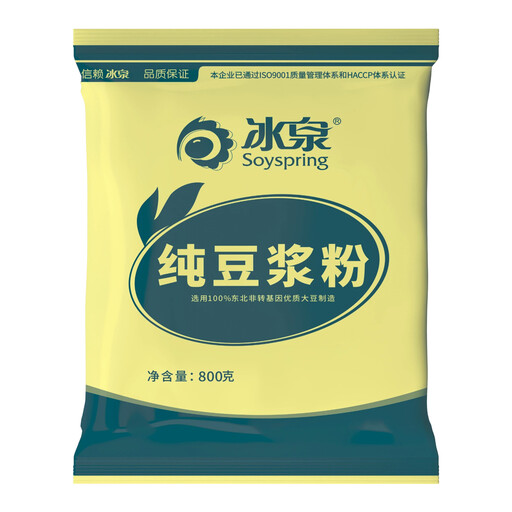
Why this product suits this profile: The ingredients list states that it contains 100% soya beans. This is relevant if you’re looking for a neutral soya drink with no listed sugar or flavourings.
Checking the ingredients list helps you avoid mistaking a sweetened blended drink for a pure product.
800 g pack; according to the product information, 40 g of protein and 13.5 g of sugar per 100 g.
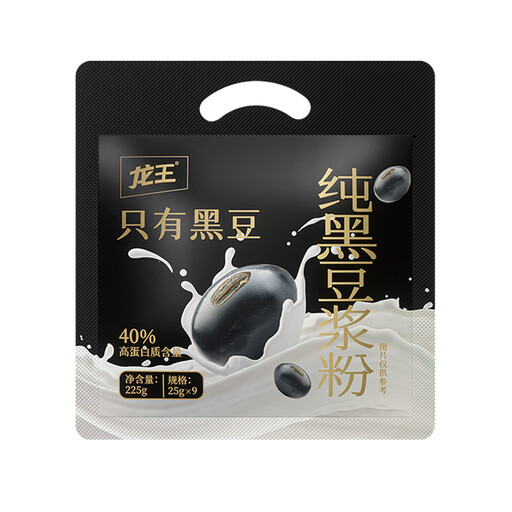
Why this product suits this profile: The individual 25 g sachets are ideal for making a single cup at home, at the office or on the go.
The stated bean content consists of black beans, while the nutrition table lists just 2 g of sugar per 100 g.
100% black beans according to the ingredients list; 40 g of protein per 100 g according to the product information.
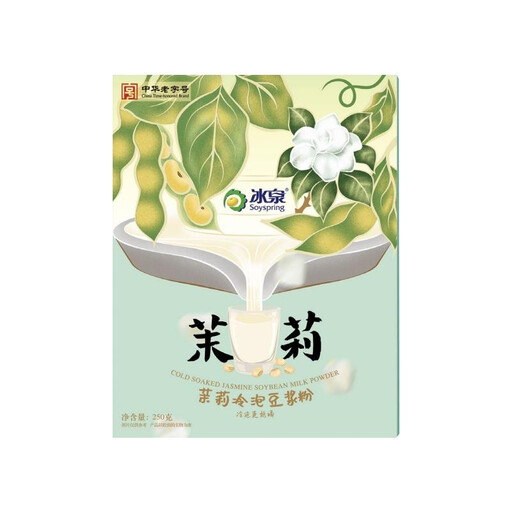
Why this product suits this profile: Made with soya beans and 2% jasmine tea powder, this flavoured cold drink does not require hot water, according to the product information.
The preparation instructions specify room-temperature water. This makes it clear that the product is intended for a different use from a traditional hot drink powder.
Prepare cold with around 150 ml of water; 2% jasmine tea powder; 18.5 g of protein per 100 g according to the product information.
We’ve put together a complete, regularly updated list of products that meet these strict selection criteria and fully comply with the safety regulations in force in the EU.
First, put the powder in a cup and mix it with a little water until smooth. Then slowly add the rest of the water. A temperature of around 70 to 85 °C is often recommended, but always follow the instructions on the packaging. For a cold drink, make sure you choose a variety specifically suited to cold preparation.
The best-before date applies to unopened packaging stored correctly. Once opened, the powder should be kept in a cool, dry place, away from light, and sealed in an airtight container. Do not use it if it has become lumpy, smells unusual or tastes different.
It depends on the pack size, portion amount and product ingredients. For a fair comparison, calculate the price per prepared drink. Single-serve portions may cost more because of the packaging, but they’re convenient to carry and easy to measure. If you use it regularly, it’s often easier to work out the cost per cup for a bulk pack.