
Lieferung heute & morgen

Qualitätsgarantie

Willkommens-Angebote freischalten: KOSTENLOSE Lieferung | Bis zu 80 % RABATT | Kostenlose 30-Tage-JoyPlus-Testphase
App herunterladen
Soya milk powder is handy for breakfast, the office, travel or as a plant-based milk alternative in baking. It takes up little storage space and, depending on the product, can be mixed with hot or cold water. However, recipes vary considerably: some products are made from 100% soya beans, while others contain sugar, maltose syrup, maltodextrin or added flavourings.
If you only look for terms such as “protein”, “sugar-free” or “instant”, you could easily buy a product that doesn’t suit your everyday needs. The following criteria will help you compare soya drink powders and soya milk powders objectively.
Some packs say “no added sugar” or “sugar-free”. However, the ingredients list is what matters. For example, a product may contain maltose syrup while still containing no added sucrose. The nutrition table is also relevant: when comparing products, check the “of which sugars” value per 100 grams.
Examples from our selection:
So if you want to reduce your sugar intake, don’t just read the front of the pack.
Protein content can vary widely between soya powders, depending on the recipe. According to the product information available, pure soya bean powder contains up to 40 grams of protein per 100 grams. Products containing sugar, syrup and other ingredients can have as little as around 18 to 19 grams.
So soya milk powder isn’t automatically a vegan protein powder. To assess it, check the protein content per 100 grams, the recommended serving size and the actual ingredients.
Preparation methods range from mixing with hot water at around 80 °C to using cold or room-temperature water. Some products come in individual sachets, while others are sold in larger packs. For everyday use, consider whether you’ll need a measuring scoop, how much water to use and whether the powder dissolves completely.
Soya beans are a regulated allergen that must be declared. If you also need to avoid milk, gluten or sesame, check the full ingredients and allergen list. This is particularly important for blends such as black soya milk powder with grains or sesame.
Check for:
The nutrition table per 100 grams makes it easier to compare products fairly. You should also check the serving size. For example, one 25-gram sachet may make 120 to 180 millilitres of drink, while other products recommend mixing 30 grams of powder with 180 millilitres of water.
When choosing, consider:
For occasional use, 180 to 250 grams or individual sachets are manageable sizes. Households and frequent users may prefer 720- or 800-gram bulk packs. Sachets help protect the powder from moisture after opening and are handy for the office, travel or your gym bag.
After opening, store the pack in a cool, dry place and seal it as tightly as possible, following the manufacturer’s instructions.
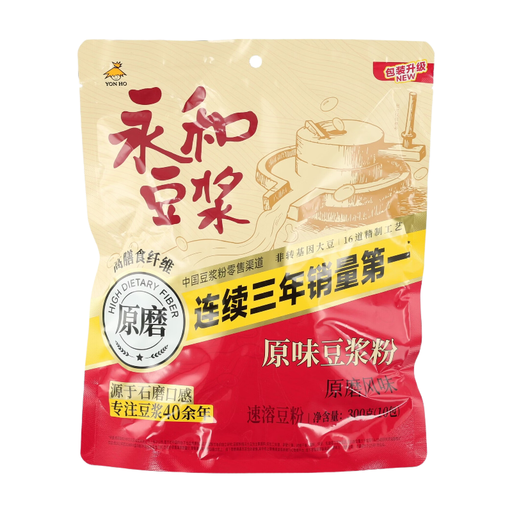
Why it suits this profile: This classic recipe is a good place to start. Mix 20 to 30 g of powder with 200 ml of hot water.
The nutrition information clearly lists the ingredients: alongside soya beans, it contains maltodextrin, sugar, calcium carbonate and salt.
300 g pack, classic flavour and 25 g of protein per 100 g according to the product information.
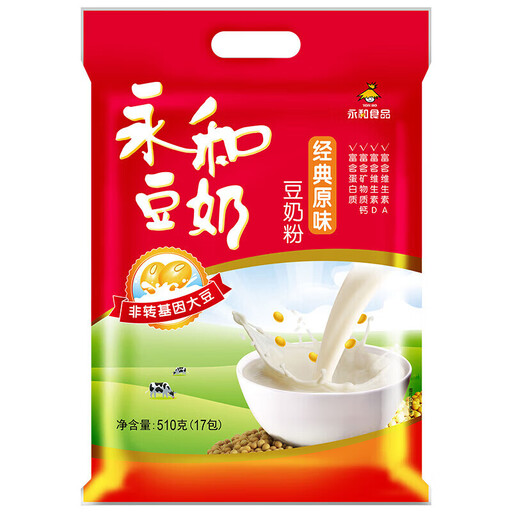
Why it suits this profile: According to the product information, it’s made from 100% soya beans and designed for regular use.
The ingredients list is short and, according to the product information, contains no added sweeteners or preservatives.
40 g of protein per 100 g, an 800 g pack and versatile use in drinks, coffee or baking recipes.
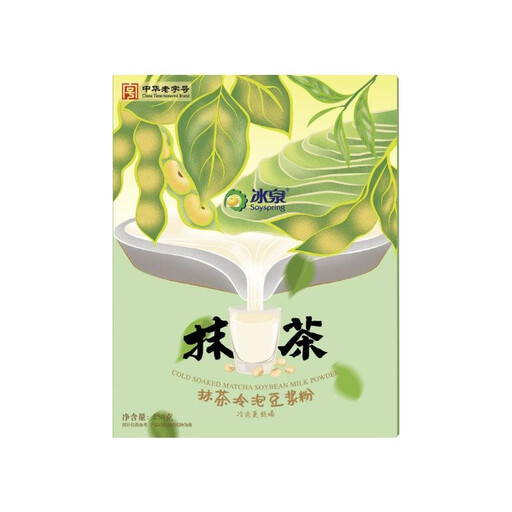
Why it suits this profile: This matcha variety is designed to be mixed with cold or room-temperature water and comes in ten individual sachets.
The product information clearly states that it contains 54% soya beans, 2.5% matcha and 45 g of sugar per 100 g.
Individual sachets, no need to use hot water and a clearly stated matcha content.
We’ve put together a complete, regularly updated list of products that meet these strict selection criteria and fully comply with the safety regulations in force in the EU.
It depends on the product. Usually, 20 to 30 grams of powder is mixed with around 180 to 200 millilitres of water at approximately 80 °C. According to the pack instructions, cold-brew products can also be made with cold or room-temperature water. To help prevent lumps, first mix the powder with a little water, then add the rest of the liquid.
The best-before date is printed on the pack. Once opened, store the powder in a cool, dry place and keep it as airtight as possible. Moisture can affect how freely it pours and how well it dissolves. Follow the product’s instructions for how long to use it after opening.
Soya milk powder can be used in drinks, smoothies, coffee, and baking and cooking recipes. However, the amounts of sugar, fat, protein and additives vary depending on the recipe. If you’re lactose intolerant or avoid milk, check the allergen information too, as some blends may contain allergens in addition to soya.