
Lieferung heute & morgen

Qualitätsgarantie

Willkommens-Angebote freischalten: KOSTENLOSE Lieferung | Bis zu 80 % RABATT | Kostenlose 30-Tage-JoyPlus-Testphase
App herunterladen
Soya milk powder is a convenient choice for a quick breakfast, at work or in Asian hot drinks. Just add hot water and you’ll have a plant-based drink in minutes. Some varieties are also suitable for smoothies, baking or adding to coffee. For vegans, vegetarians and anyone avoiding dairy, soya drink powder can be a space-saving alternative to ready-made drinks.
However, it’s easy to have the wrong expectations when buying. Terms such as ‘sugar-free’, ‘high in protein’ or ‘natural’ don’t always mean the same thing. The criteria below will help you assess soya milk powder and choose the right option.
A product may contain no added table sugar but still include maltose syrup, maltodextrin or other carbohydrate-containing ingredients. So it’s important to check:
Unsweetened soya milk powder may taste less sweet, while a product containing maltose syrup still provides carbohydrates. Always read the description alongside the nutrition table.
Nutritional values are usually given per 100 g of powder. Depending on the product, a serving contains around 18 to 30 g of powder. A powder with 40 g of protein per 100 g provides around 10 g of protein in a 25 g serving. A product with 18 g of protein per 100 g will provide correspondingly less in the same serving size.
So, when comparing products, consider both the value per 100 g and the actual serving size. These figures don’t indicate any medical or therapeutic effects.
Instant soya milk or soya milk powder to mix with water can usually be stirred straight into water. However, that tells you little about the sugar, flavourings, cereal ingredients or allergens it contains. Blended products may contain sesame, oats, rye or milk powder, for example. If you have an allergy or intolerance, check the label carefully before buying.
A pure plant-based milk powder may contain only soya beans. Other recipes combine soya beans with maltose syrup, sugar, maltodextrin, flavourings or other ingredients. When choosing a product, pay particular attention to:
Products with 40 g of protein per 100 g are made entirely or mainly from soya beans, according to their ingredients list. Blends containing syrup or sugar often have a higher carbohydrate content and lower protein value. That doesn’t automatically make them unsuitable for every diet. Taste, serving size and intended use matter too.
If you’re looking for high-protein soya powder, compare the values per 100 g with the recommended amount of powder per serving. For your overall diet, the whole meal matters, not just the drink.
Many varieties are mixed with around 180 to 200 ml of water at about 80 °C. The exact quantities vary, though. For a smooth result:
Single servings are handy for the office, travelling or occasional use. Larger or family packs may suit people who use the powder every day, as long as it’s stored in a cool, dry place and sealed tightly after opening.
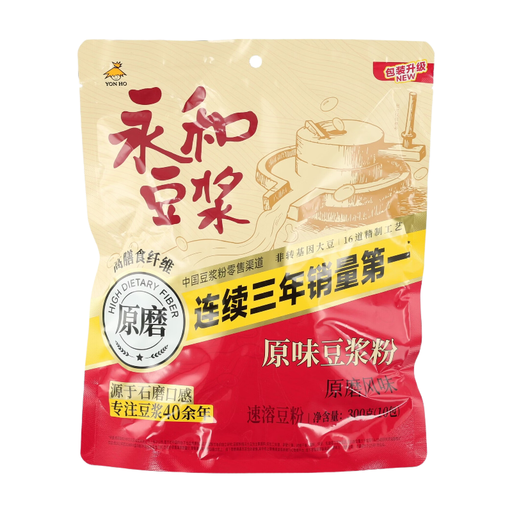
Why this product suits this profile: The 300 g pack offers a classic introduction to instant soya milk. It contains 25 g of protein and 20 g of sugar per 100 g. Mix a 20–30 g serving with 200 ml of hot water.
The ingredients list includes soya beans, maltodextrin, sugar, calcium carbonate and salt, making it easier to assess the sweetness.
Classic flavour, clear serving instructions, and suitable for baking or cooking too.
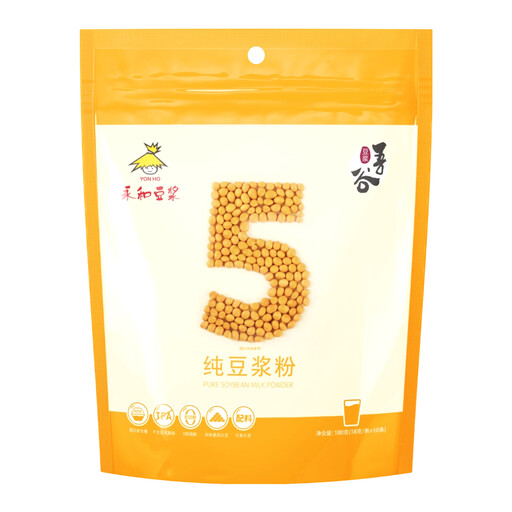
Why this product suits this profile: The ingredients list states that it contains 100% soya beans. With 40 g of protein per 100 g, this small pack is aimed at people who prefer a purer recipe.
The short ingredients list makes it easier to check for sugar, syrup and flavourings. It’s still worth calculating the nutritional value per serving.
A recipe made with 100% soya beans according to the product information, in a compact 180 g pack for a more controlled purchase.
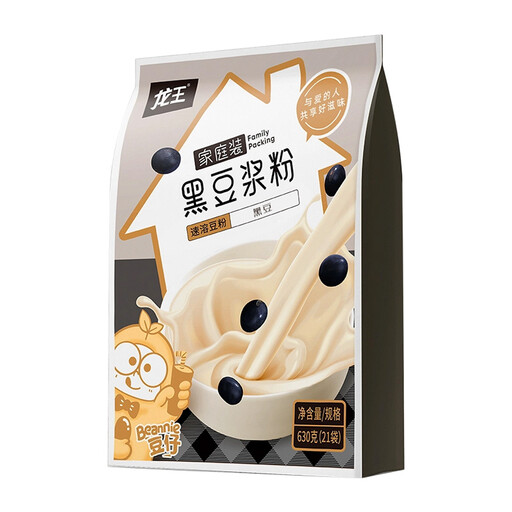
Why this product suits this profile: The pack contains 21 individual 30 g sachets, making it easy to portion at home, in the office or on the go. It contains 18 g of protein per 100 g.
Individual portions mean you won’t need to leave a large pack open for long. The ingredients list includes black soya beans and maltose syrup, but no white sugar.
630 g family pack, 21 sachets and preparation with around 180 ml of water at 80–85 °C.
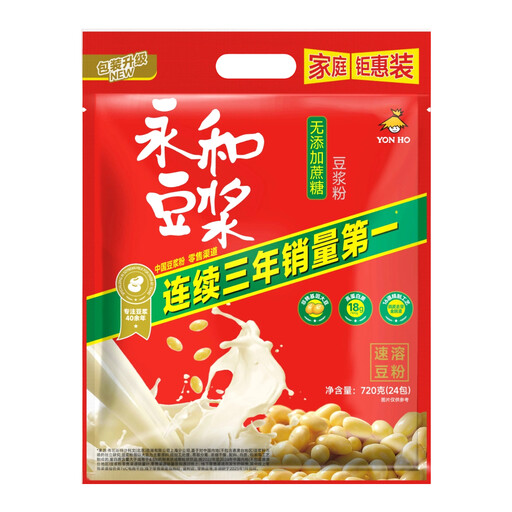
Why this product suits this profile: According to the product information, the recipe contains no added table sugar, but it does contain maltose syrup. The stated sugar content is 4.5 g per 100 g.
The ingredients and nutrition information give more context to the product description, helping you distinguish ‘no added sugar’ from ‘sugar-free’.
720 g pack, at least 55% soya beans according to the product information, and easy preparation with around 180 ml of hot water.
We’ve put together a complete, regularly updated list of products that meet these strict selection criteria and the safety regulations in force in the EU.
Check the instructions on the packaging. Typically, 18 to 30 g of powder is mixed with around 180 to 200 ml of water at approximately 80 °C. To help prevent lumps, stir in a little water first, then add the rest. Varieties that dissolve in cold water can also be prepared with water at room temperature.
The best-before date applies to the unopened pack, so be sure to check it. Once opened, store the powder in a cool, dry place, away from light, and keep it tightly sealed. Always follow the manufacturer’s guidance on how long to use the product for after opening. Prepare drinks according to the instructions on the pack, and drink them straight away if possible or keep them chilled.
No. A product may contain no added white sugar but still include maltose syrup or other sweetening ingredients. Always check the ingredients list and nutrition table. Recipes made with 100% soya beans may be a good option if you want a flavour that’s as neutral as possible, although they can have a much more pronounced bean flavour.