
Lieferung heute & morgen

Qualitätsgarantie

Willkommens-Angebote freischalten: KOSTENLOSE Lieferung | Bis zu 80 % RABATT | Kostenlose 30-Tage-JoyPlus-Testphase
App herunterladen
The variety of Asian seasoning pastes can be overwhelming. Soybean paste, in particular, a cornerstone of many Chinese and other Asian dishes, comes in numerous variations. Whether for an authentic braised dish, a flavourful marinade, or a quick stir-fry classic, choosing the right paste is crucial for a successful recipe.
This guide serves as your reference. It explains the key differences between various types of soybean pastes and presents a selection of products to make your decision easier when you're looking to buy soybean sauce.
To find the perfect soy seasoning paste for your culinary needs, a few basic criteria are helpful.
The base of every fermented soybean paste is, as the name suggests, soybeans. However, the crucial difference in flavour comes from the type of beans used and the fermentation process.
Besides the type of bean, the added flavour profile is an important distinguishing feature.
A look at the ingredient list reveals the quality and character of the paste. Some manufacturers rely on traditional recipes with a short list of ingredients: soybeans, water, salt, and wheat flour. Other products may contain flavour enhancers (like monosodium glutamate), preservatives, or colourings. For consumers seeking a Chinese bean paste that is as natural as possible, there are also varieties explicitly labelled as "no additives."
Based on the criteria above, we have compiled a selection of products that cover different flavour profiles and applications.
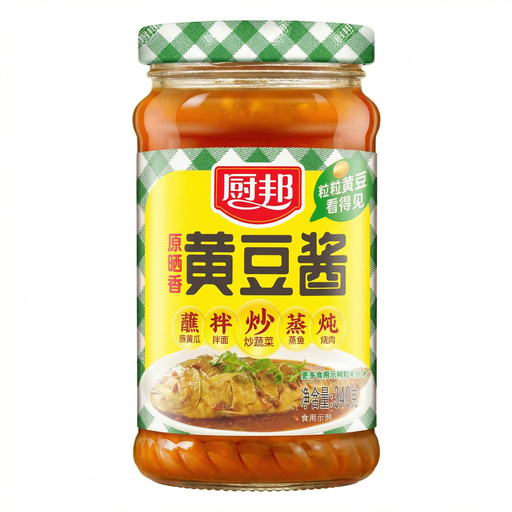
Why it stands out: This paste from Chu Bang is a classic example of a traditionally fermented soybean paste. With a 32% soybean content, it offers a rich, salty, and deep umami flavour, making it a versatile all-rounder in the kitchen.
Advantages:
Who it's for: Home cooks looking for a universal and authentic Chinese bean paste as a staple for their Asian pantry. It's an excellent choice for beginners and experienced chefs alike.
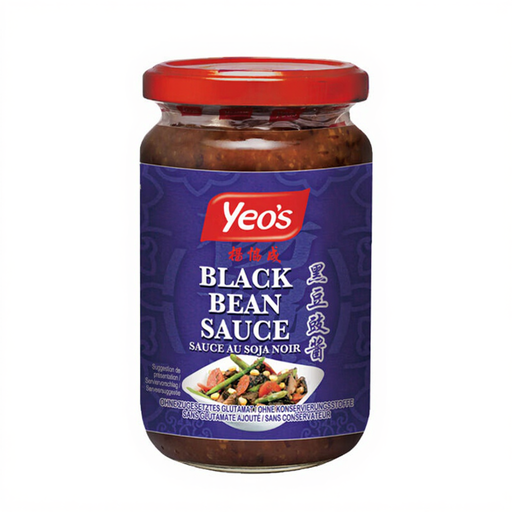
Why it stands out: Yeo's black bean sauce is based on fermented black soybeans and is enhanced with garlic and spices. Its flavour is significantly bolder, saltier, and more aromatic than pastes made from yellow beans.
Advantages:
Who it's for: Fans of specific Chinese dishes that require the unmistakable flavour of black beans. Ideal for anyone looking to expand their cooking skills and achieve authentic tastes.
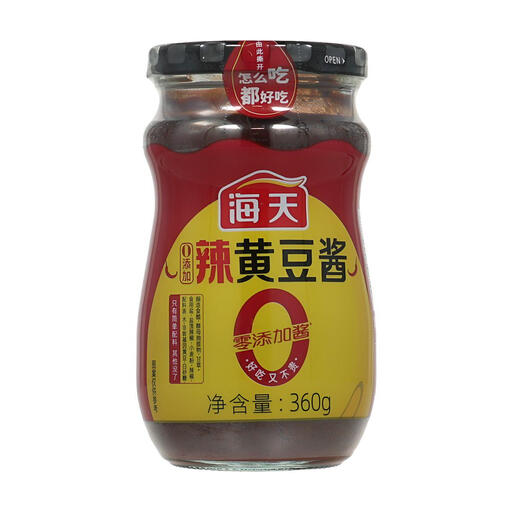
Why it stands out: This spicy soybean paste from Haday is distinguished by its ingredient list: according to the manufacturer, it contains no artificial additives. The combination of fermented soybeans and chilli provides a pure, savoury, and spicy flavour.
Advantages:
Who it's for: Health-conscious consumers who value a "clean" ingredient list, as well as anyone looking for a reliable spicy soybean paste for Sichuan dishes or general seasoning.
The world of bean pastes is vast and diverse. If these recommendations don't include the perfect product for your next dish, you can find more varieties in our collection.
? Explore our entire selection of bean sauces here
Although both are made from fermented soybeans, there are significant differences. Soybean paste, especially the Chinese variety, is generally saltier and is often fried in oil before use to release its aroma. Japanese miso is usually milder, has a more paste-like consistency, and is typically added to soups or sauces at the end of the cooking process without being heated intensely.
Soybean paste is extremely versatile. It can be used as a base for braised dishes (e.g., for pork belly or beef), as a marinade for meat and tofu, as a seasoning in stir-fries, or as an ingredient in dipping sauces. In many recipes, a small amount of the paste is first briefly fried in hot oil to intensify the flavours.
After opening, soybean paste should always be stored in the refrigerator. Due to its high salt content, it has a relatively long shelf life. It is advisable to always use a clean spoon to avoid contamination. Under proper storage conditions, it will last for several months in the fridge. For specific details, always refer to the instructions on the packaging.