
Lieferung heute & morgen

Qualitätsgarantie

Willkommens-Angebote freischalten: KOSTENLOSE Lieferung | Bis zu 80 % RABATT | Kostenlose 30-Tage-JoyPlus-Testphase
App herunterladen
Soybean paste can add savoury depth to stir-fries, noodle sauces, braised dishes and dips. However, products vary considerably in their ingredients, salt content, consistency, pack size and intended use. If you focus only on words such as ‘traditional’, ‘fermented’ or ‘authentic’, you could end up with a paste that’s too salty, too sweet or too thick for the dish you have in mind.
Depending on the recipe, fermented soybean paste can taste mild, salty, slightly sweet or highly concentrated. Some varieties also contain sugar, sweeteners, flavour enhancers or thickeners. So the label alone tells you little about how strong the seasoning will be or how it will taste in your finished dish.
An 800 g soybean paste is a good option for households that cook Asian food regularly. If you only use it occasionally, a smaller pack may make more sense, as many products should be refrigerated and used soon after opening. It’s not just the price per kilo that matters, but also how much you’re realistically likely to use.
Chinese soybean paste, Korean chunjang and other Asian seasoning pastes may look similar, but they aren’t interchangeable. Zha Jiang Mian paste, for example, is typically used in noodle sauces, while a classic Chinese seasoning paste may also be intended for marinades, braising or dipping.
Start by checking the ingredients list. Products often contain soybeans and wheat or gluten. If you have an intolerance, also check for other ingredients such as sesame or peanuts, as well as any warnings about traces.
The proportion of soybeans can also be a useful point of comparison. Qiao Xifu, for instance, lists 24% soybeans, while Healthy Boy Brand Soybean Paste A lists 62%. These figures don’t determine product quality on their own, but they can help you make a more informed comparison between recipes.
Soybean paste is usually used in small amounts, but it can pack a lot of flavour. The nutrition information per 100 g makes it easier to compare products. In the product data available here, salt content ranges from 1.2 g for Qiao Xifu to 15 g for Liu Bi Ju Thick Soybean Paste.
Sugar and sweeteners vary too. Some products contain sugar, syrup or sweeteners. So if you’re looking for a more savoury Chinese soybean paste, check the full ingredients list rather than relying on the front of the pack.
A thinner paste can be used straight away as a dip or dressing. A thick, concentrated paste is often first fried in oil, diluted or mixed with other ingredients. According to the product information, Liu Bi Ju Thick Soybean Paste, for example, isn’t intended to be eaten as it is and should be diluted or fried in oil before use.
Many products should be kept in the fridge after opening. Use clean cutlery and always follow the storage instructions on the packaging.
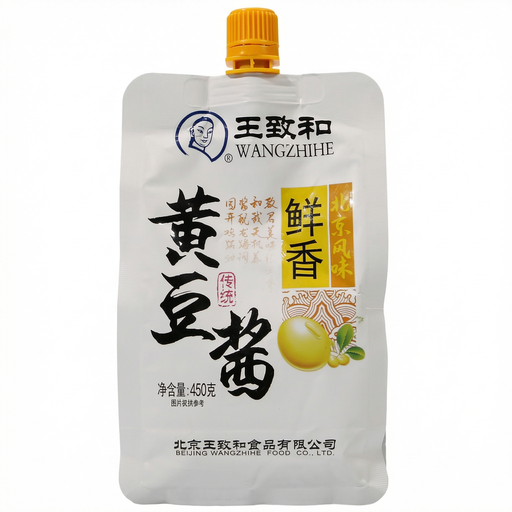
Why it suits this shopper: The 450 g pack is a manageable introduction for anyone keen to try soybean paste in stir-fries, marinades or hot pot dips.
The medium-sized pack reduces the risk of having a large quantity left over. The ingredients and sweeteners are listed on the product page.
450 g pack; according to the product information, it can be used straight from the pack as a dip or seasoning paste for stir-fries, marinades and hot pot.
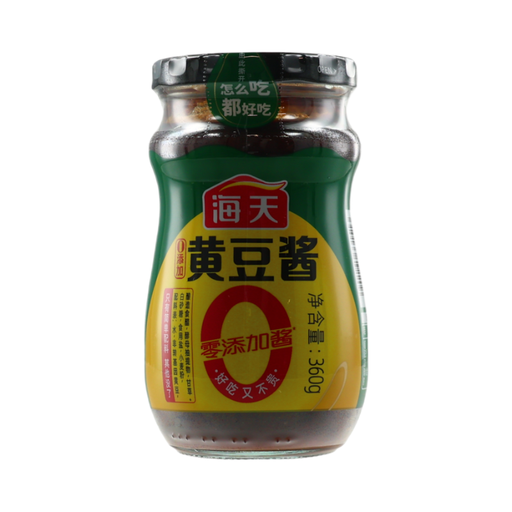
Why it suits this shopper: Its short ingredients list of water, soybeans, wheat and salt will appeal to shoppers who like to compare recipes in detail before buying.
The clearly stated ingredients make it easier to check whether the product meets your dietary requirements. Bear in mind its salt content of 10.3 g per 100 g when deciding how much to use.
360 g pack; according to the product description, it’s suitable for Zhajiangmian, braised dishes, dressings and dips.
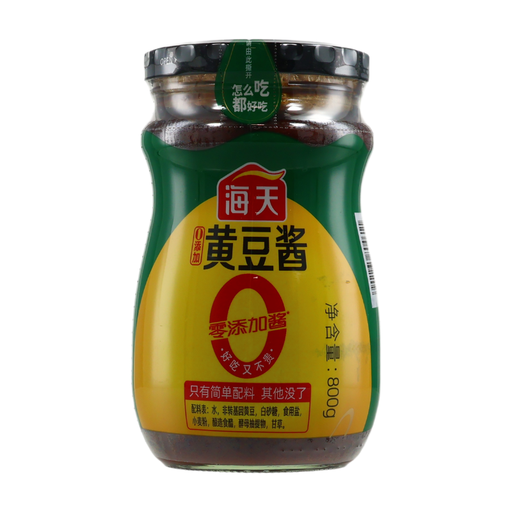
Why it suits this shopper: This large pack is aimed at households that cook Chinese food often and want a versatile paste for stir-fries, marinades and dips.
The product information describes a spreadable consistency and several ways to use it. Shoppers should also check the listed preservatives, flavour enhancers and sweeteners.
800 g pack; according to the product information, it’s suitable for stir-fries, ribs, braised beef, noodles, cucumber dips and wraps.
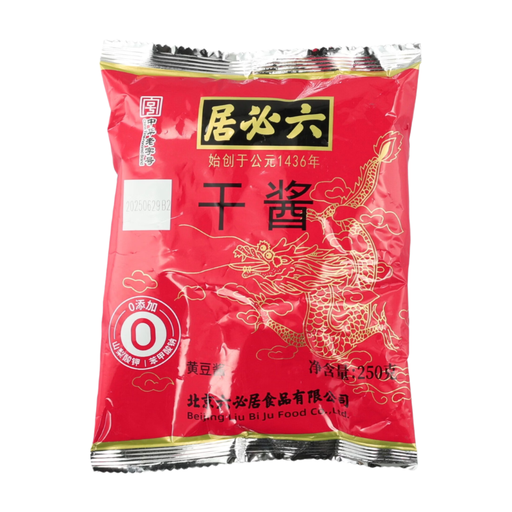
Why it suits this shopper: Its thick, concentrated consistency makes it a good choice if you’re looking for a base for Zha Jiang Mian, braised dishes or punchy marinades.
The product page clearly advises diluting the paste or frying it in oil before use. This helps avoid using it straight from the pack when it isn’t suitable for that.
250 g pack; according to the product information, it’s made with soybeans, wheat flour, water and salt, and intended for concentrated seasoning sauces.
We’ve put together a complete, regularly updated list of products that meet these strict selection criteria and the safety regulations in force across the EU.
For a stir-fry, a small amount is usually enough. Mix it with oil, vegetables, tofu, meat or stock. A thick bean paste for stir-fries can be fried briefly first to release its aroma. For marinades, try combining it with rice wine, garlic, ginger or a little water. If the paste is ready to eat, serve it as a dip with cucumber, spring onions or noodles.
Keep the salt content in mind when seasoning, and only add extra soy sauce after tasting.
No. Many products are sold as fermented or brewed soybean paste, but you’ll need to check the product description or ingredients label for details of how they’re made. The words ‘bean paste’ alone don’t confirm a particular fermentation time.
It depends on the product. You’ll often be advised to refrigerate the paste after opening and use it soon. Follow the instructions on the label. Clean cutlery and a tightly sealed container can help prevent contamination.
Thicker, more concentrated varieties are often used for Zha Jiang Mian. They’re usually fried in oil first or mixed with liquid. According to the product information, Liu Bi Ju Thick Soybean Paste is intended for this style of cooking. Other Chinese seasoning pastes can also work as a base, depending on the recipe.