
Lieferung heute & morgen

Qualitätsgarantie

Willkommens-Angebote freischalten: KOSTENLOSE Lieferung | Bis zu 80 % RABATT | Kostenlose 30-Tage-JoyPlus-Testphase
App herunterladen
Anyone living in a smaller flat or a shared apartment knows the challenge: every square metre counts. The right furniture can be the difference between a cluttered, chaotic space and a functional, harmonious oasis of well-being. However, the market for space-saving furniture is full of promises that often don't hold up in practice. As your Joybuy Product Recommendation Officer, I'm here to help you identify the common pitfalls and make an informed choice.
Before you invest, you should be aware of the most common issues that lead to frustration and wasted money.
To avoid these mistakes, focus on three objective parameters. These form the basis for well-thought-out living ideas for small spaces.
A good piece of space-saving furniture serves multiple functions within the same footprint. Look for integrated solutions. A bed with drawers is good, but a storage bench at the foot of the bed offers seating and hidden space for bedding. A simple side table is useful, but a model with removable trays or multiple tiers maximises surface area vertically. The key is to find furniture that is not only compact but actively contributes to organisation.
Measure not just the intended footprint, but the entire operational area. Consider the swing radius of doors and the extension of drawers. Actively look for solutions for unused corners and narrow gaps. A niche shelving unit, for example, can turn the often-wasted space between the fridge and the wall or next to the toilet into valuable storage. Small apartment furniture should integrate into the architecture, not obstruct it.
The longevity of multifunctional furniture depends directly on the quality of its materials and construction.
Here are some product ideas selected based on the criteria above for specific user profiles.
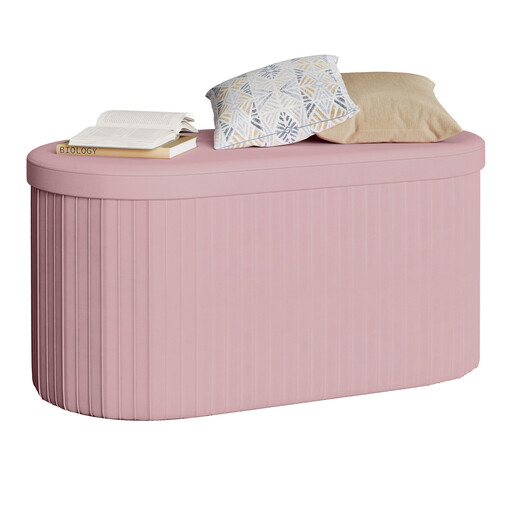
Why it's a great fit: Ideal for a first flat or shared apartment where budget and style are equally important. It combines extra seating with generous hidden storage and adds a modern touch with its velvet cover, all without taking up much space.
This piece avoids the "impractical multifunctionality" trap. It's not just a bench but a fully-fledged storage solution. The lid is easy to lift off and requires no complicated mechanism.
The foldable design allows the bench to be stored compactly when not in use. The frame, made of MDF boards, provides a stable base for both sitting and storage.
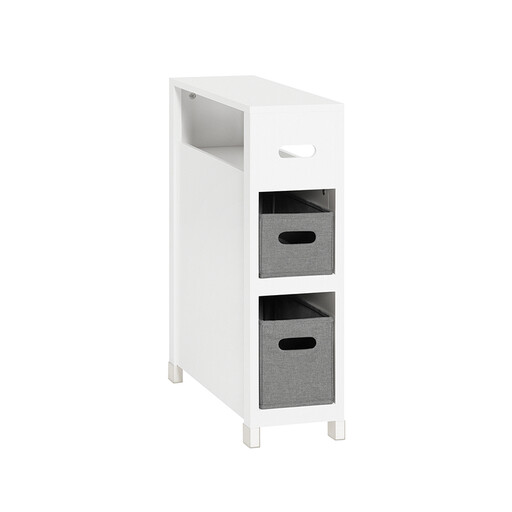
Why it's a great fit: For anyone who wants to utilise every centimetre. This shelf is specifically designed for narrow, often unused gaps in the bathroom or kitchen, creating structured storage where standard furniture won't fit.
It proactively solves the problem of "ignoring the full functional footprint." With a width of just 20 cm, it fits into niches that would otherwise remain empty. The removable baskets require no additional swing space.
The combination of an open shelf, baskets, and a special compartment for a toilet brush demonstrates a thoughtful, application-specific design. The feet protect the material from floor moisture.
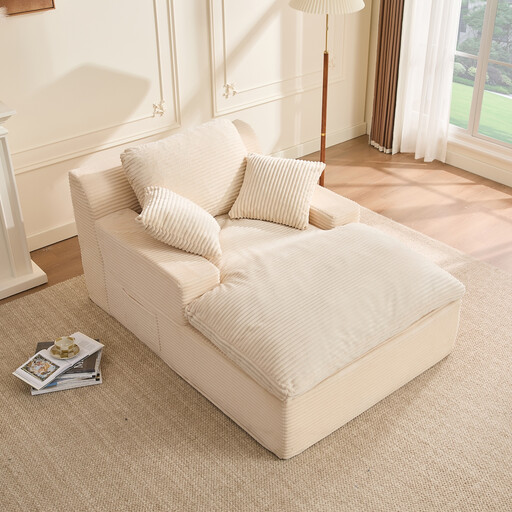
Why it's a great fit: Perfect for studio apartments or guest rooms. This piece is an armchair, a lounger, and a temporary guest bed all in one, without the heavy, bulky mechanism of a traditional sofa bed. It adapts to your lifestyle, not the other way around.
It avoids the "unstable, lightweight construction" trap through clever design. Instead of a failure-prone folding frame, it consists entirely of high-density foam, making it lightweight yet structurally sound.
No assembly is required. The modular, lightweight design makes it extremely flexible to place and easy to move. The side pockets on the armrests are an example of thoughtful modern decor ideas.
1. How do I correctly measure my space for space-saving furniture? Don't just measure the length and width of the footprint. Also measure the height, especially for shelving. The "operational space" is crucial: use tape on the floor to mark how far doors or drawers need to open. Check that walkways remain clear and that windows or radiators are not blocked.
2. How can I identify the durability of multifunctional furniture? Pay attention to the material description and the specified maximum load capacity. A metal frame is often more durable than one made of particleboard. For sofa beds or folding tables, the hinges and mechanisms should be metal and give a solid, smooth impression. Read the product description carefully for terms like "MDF (E1)", which indicates a specific quality and emissions class.
3. Is there space-saving furniture that requires no assembly? Yes, there are more and more such options. Look for terms like "no assembly required" or "foldable design". Pieces made of foam blocks (like the chaise lounge mentioned above) or pre-assembled, foldable chests and shelves are good examples. They not only save space in the room but also time and effort during setup.