
Lieferung heute & morgen

Qualitätsgarantie

Willkommens-Angebote freischalten: KOSTENLOSE Lieferung | Bis zu 80 % RABATT | Kostenlose 30-Tage-JoyPlus-Testphase
App herunterladen
Limited living space doesn’t have to mean less comfort. What matters is whether your furniture, storage and household appliances make good use of the space you have. Space-saving household products can help keep floor space clear, organise your belongings and combine several functions in one product.
However, not every product labelled “space-saving” offers a practical solution. Some take up more room than expected once assembled, while others are difficult to access or designed to support only a light load. The following criteria can help you distinguish marketing claims from genuinely useful features.
For folding storage boxes, fitness equipment and camping trolleys, the folded dimensions are often highlighted. But for everyday use, the size when fully opened is what really matters. So check:
A folding product is only a suitable solution if it’s genuinely easy to put away after use.
A cupboard can offer plenty of storage without being suitable for heavy items. Similarly, a storage box might have a large capacity but not be sturdy enough to stack. For stackable storage boxes, it’s important to check the material, base stability and maximum load.
With fitness equipment, you should also distinguish between the equipment’s load capacity and the training weight. These figures can mean different things and should be clearly specified in the product description.
A space-saving TV wall mount needs a suitable wall structure, the correct VESA size and appropriate fixings. Cupboards that could tip over should be secured to the wall, or may require wall fixing. For foldable exercise equipment, regularly check the joints, locking mechanisms and base.
Start by measuring the available space, leaving a little room to access and use the product. For small kitchens, vertical solutions such as a two-tier draining rack or stackable food containers are often more practical than several wide appliances.
When choosing space-saving storage, look for consistent sizing too. Containers in coordinated sizes are easier to combine and make better use of cupboard height. Clear materials make it easier to see what’s inside, while front-opening shoe boxes can make access simpler.
Look for specific figures in kilograms, litres or centimetres. For wall mounts, these details are particularly important:
For space-saving furniture, also check the load capacity of the top and shelves, and whether an anti-tip kit is included. An adjustable shelf can make the furniture more versatile, but it doesn’t replace secure installation.
Plastic containers should be suitable for their intended use and easy to clean. For food containers, look for details such as dishwasher-safe material, a tightly fitting lid and clear instructions for use. A lid that clicks audibly into place can make it easier to check it’s closed, but this doesn’t guarantee suitability for every type of food storage.
For foldable storage, check the seams, zips, handles and base. Clothes and bedding also need to be stored in a clean, dry place. Vacuum bags reduce bulk, but they can’t protect textiles from moisture if the storage area itself is damp.
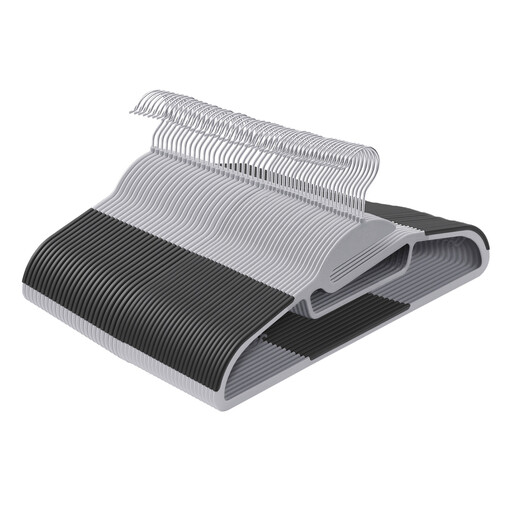
Why this product suits your needs: Its slim design makes efficient use of wardrobe width. The pack of 50 is a good choice if you want to organise lots of clothes with one consistent solution.
The product details give dimensions of 41,5 × 22,5 cm and a static load capacity of up to 5 kg per hanger. This makes it easier to judge whether they’re suitable for lightweight to medium-weight clothing.
50 hangers, a rotating hook and ABS plastic with a metal hook; according to the product details, they’re not designed for heavy items or high temperatures.
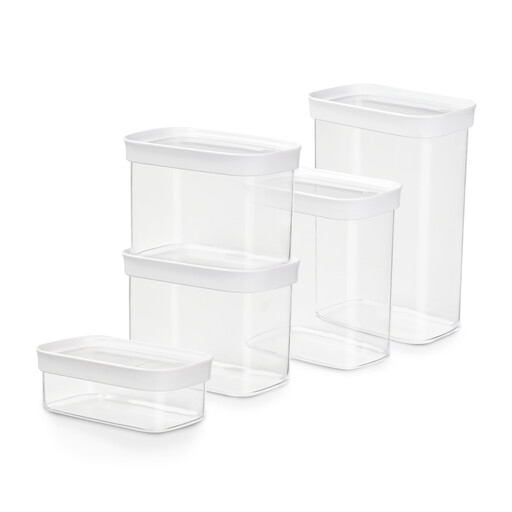
Why this product suits your needs: These coordinated rectangular containers are designed to keep your kitchen organised and can be stacked in standard cupboards.
The product description specifies coordinated sizes, non-slip edges and dishwasher-safe material. This makes it easier to assess how well the containers stack and how much care they need.
Clear plastic, five containers with different stated capacities and lids with an audible click closure.
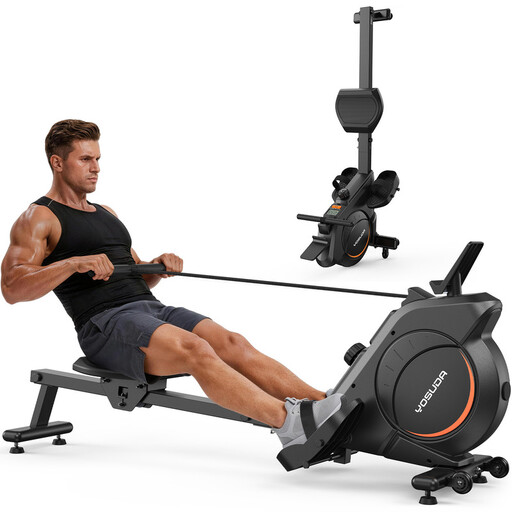
Why this product suits your needs: This machine is aimed at households looking for versatile exercise equipment that can be folded away after use.
The specifications state a maximum user weight of 160 kg, 16 resistance levels and a foldable design. Before buying, check the floor space, your height and where you’ll store it.
Folding frame, Bluetooth connectivity, LCD display and stated suitability for people between 1,55 m and 2 m tall.
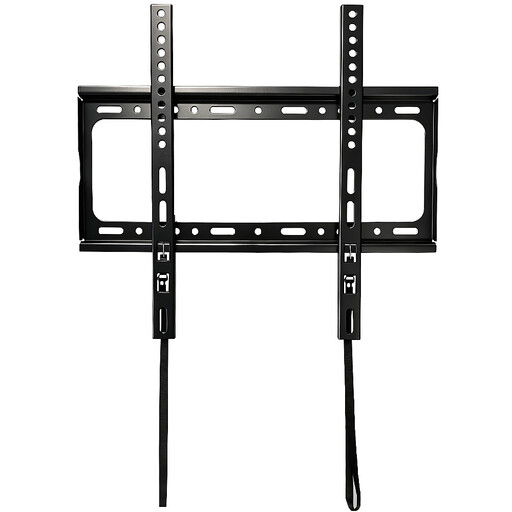
Why this product suits your needs: A low-profile wall mount can free up the floor space taken by a TV stand. It’s a good fit for rooms where every centimetre counts.
The technical details specify the TV size, a maximum load of 45 kg, VESA compatibility up to 400 × 400 mm and suitable wall types. Before installation, compare these details with your TV and wall.
Compact dimensions of 49,5 × 22,7 × 2,9 cm and support for concrete, brick and suitable timber stud walls.
Different storage solutions for small flats may work better in different rooms:
When choosing space-saving kitchen appliances, also compare energy consumption, power rating, cleaning requirements and the worktop space available. Multifunctionality is only useful if you’ll use the functions regularly.
We’ve put together a complete, regularly updated list of products that meet these strict selection criteria and fully comply with the safety regulations in force in the EU.
Products that make use of vertical space, fold away or combine several functions are good options. Examples include stackable food containers, slim hangers, wall mounts, foldable fitness equipment and narrow shelving units. The key things to check are the dimensions when the product is in use and its actual load capacity.
It depends on what you put in them, the material and how much air they contain. Vacuum bags can compress soft textiles such as duvets and winter clothes. They still need to be stored somewhere dry, and you shouldn’t fill them with pointed or sharp-edged objects. The exact reduction in volume can’t be guaranteed.
Check the user weight limit, equipment weight, unfolded dimensions, floor space and room needed to move around. With foldable equipment, make sure the locks are fully engaged before every use. You should also check the screws, joints and contact points regularly. This will help you decide whether the equipment will fit in the space available over the long term and suit the training you have planned.