
Lieferung heute & morgen

Qualitätsgarantie

Willkommens-Angebote freischalten: KOSTENLOSE Lieferung | Bis zu 80 % RABATT | Kostenlose 30-Tage-JoyPlus-Testphase
App herunterladen
The selection of space toys is vast, ranging from simple rockets for toddlers to complex models of the solar system. But not every product that advertises intergalactic adventures delivers on its promise. Many parents and relatives invest in toys that are either quickly abandoned or show quality defects. This guide will help you navigate the common pitfalls and make an informed decision.
rocket toy that is too complex with hundreds of small parts can quickly lead to frustration for a six-year-old, while a model that is too simple will underwhelm an older child. In both cases, the result is the same: the toy ends up gathering dust in a corner.educational space toy should offer more than just a thematic design. It should actively promote problem-solving, spatial reasoning, or an understanding of physical principles.To avoid a bad buy, you should focus on a few objective core parameters instead of being swayed by marketing messages.
The manufacturer's age recommendation is a starting point, but it's not the only factor. Consider the child's individual patience and fine motor skills.
astronaut toy or a magnetic space playset. The focus here is on imaginative role-playing and ease of use.LEGO Space with clear instructions are ideal. They encourage following steps and develop spatial awareness. The number of pieces should be challenging but manageable within one to two hours.solar system toy or Technic sets, are suitable here. They require concentration and offer a deeper insight into technical or scientific concepts.Safety is non-negotiable. Look for clear labels and high-quality materials.
A good space gift for kids should not only entertain but also build skills.
space craft kit or open-ended building systems that allow for original creations foster creativity and the ability to find unique solutions.solar system toy that correctly depicts the orbits of the planets playfully imparts basic astronomical knowledge and is more than just a decorative piece.Instead of making a one-size-fits-all recommendation, we have identified products tailored to specific needs and age groups.
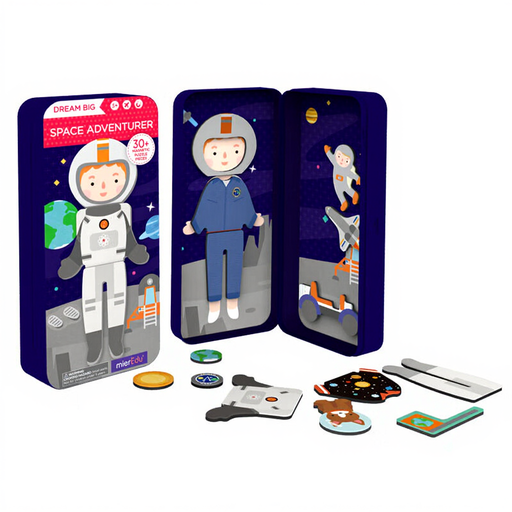
Why This Fits Their Persona: Ideal for children just beginning to show an interest in space. The set is compact, sturdy, and encourages free, imaginative play without complex rules. Perfect for at home and on the go.
It bypasses the complexity trap with its open-ended play concept. Instead of having to follow rigid instructions, children can create their own scenes with over 30 magnetic pieces.
Promotes fine motor skills and creativity. The set is contained in a metal box, making it a practical travel companion and simplifying cleanup.
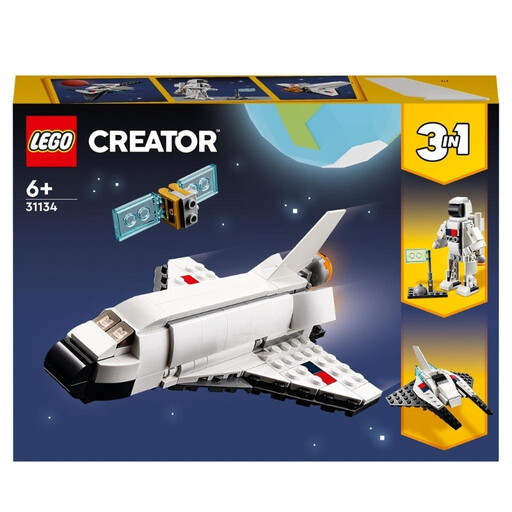
Why This Fits Their Persona: Perfect for children who enjoy building according to instructions and want to see a tangible result. The 3-in-1 concept offers high replay value and promotes systematic thinking.
The proven LEGO quality addresses the material trap. The clear, illustrated instructions and age-appropriate complexity of 144 pieces prevent frustration.
Three different models (Space Shuttle, Astronaut, Spaceship) can be built from one set. This encourages creativity and provides long-lasting fun.
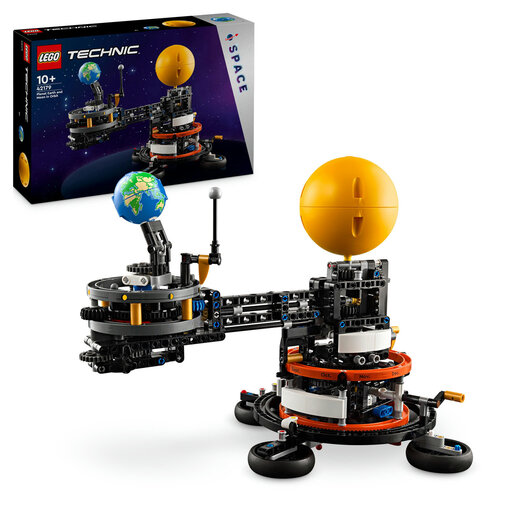
Why This Fits Their Persona: For inquisitive children and teens with an interest in mechanics and astronomy. This set is more than just a static model; it's an interactive tool for understanding our solar system.
It avoids the "educational toy" trap by offering real, functional value. The mechanism for simulating the orbits is sophisticated and imparts an understanding of engineering.
Visualises complex astronomical concepts like orbits, moon phases, and seasons in an understandable way. A challenging building project with high educational value.
We've compiled a complete, up-to-date list of products that fully meet these strict selection criteria and all relevant safety regulations.
Primarily, look for the CE mark, which indicates conformity with EU safety standards like the EN 71 standard. Check the toy for sturdy construction, rounded edges, and the absence of small parts that could detach, especially for toys intended for children under three. The material should be designated as non-toxic and robust (e.g., ABS plastic).
The manufacturer's age recommendation is a good starting point. However, also observe your child's interests and abilities. Do they enjoy detailed building instructions, or do they prefer free, creative play? A space craft kit might be more suitable for a creative child than a rigid model, even if both are recommended for the same age group.
Brands like LEGO and PLAYMOBIL consistently offer high material and safety quality. However, they are not the only option. Other manufacturers also offer good products, as long as they meet the core criteria mentioned above: compliance with the EN 71 standard, high-quality materials, and an age-appropriate, well-thought-out design. Checking the product details and material specifications is crucial here.