
Lieferung heute & morgen

Qualitätsgarantie

Willkommens-Angebote freischalten: KOSTENLOSE Lieferung | Bis zu 80 % RABATT | Kostenlose 30-Tage-JoyPlus-Testphase
App herunterladen
A Spanish red wine can vary considerably depending on its origin, grape variety, ageing and pack size. If you’re shopping online, don’t rely solely on labels, familiar brand names or striking tasting notes. Look for clear, verifiable details such as region, grape variety, alcohol content, bottle size and storage guidance.
Whether you’re looking for a Rioja red wine to serve with dinner, a Spanish wine multipack for get-togethers or a single bottle to give as a gift, a few simple checks can help you avoid a disappointing purchase.
‘Red wine from Spain’ is a very broad category. A Rioja red wine comes from the Rioja region and is often made from Tempranillo. Wines from Catalunya, Castilla-La Mancha and other areas may contain different grape varieties or blends.
A Tempranillo red wine isn’t automatically a Rioja, either. When buying, check that the wine is from the region you want and see which grape varieties it contains.
A dry Spanish red wine contains relatively little residual sugar, but that alone doesn’t tell you anything about its body, tannins or oak aromas. A dry wine can be fruity and smooth, or noticeably spicier and more structured.
Descriptions such as ‘vanilla’, ‘pepper’, ‘berries’ or ‘toasted notes’ refer to flavour. They don’t replace specific product details such as alcohol content or ageing method.
The terms Crianza red wine and Reserva red wine indicate that certain ageing or maturation requirements have been met under the rules for the wine’s region of origin. They can tell you about time spent in barrel and bottle, but they don’t guarantee that the wine will suit everyone’s taste.
If you prefer less oak flavour, check the details about barrel ageing, too. If you’re looking for a fuller-bodied wine to serve with red meat, consider the grape variety, alcohol content and the description of its tannins.
The region influences a wine’s style and food pairings. Rioja wines made from Tempranillo are often described as having red fruit, spice and oak notes. Wines from Catalunya can also contain Tempranillo, as well as Garnacha, Cariñena, Syrah or Cabernet Sauvignon.
Use this checklist when comparing wines:
The wines featured here, for example, have an alcohol content of between 13 and 14.5 % vol. This is a mandatory detail and can help you understand a wine’s style. A higher alcohol content doesn’t automatically mean a fuller-bodied wine or a flavour that’s more to your taste.
The recommended serving temperature is usually between 15 and 18 °C, depending on the product. Storing wine somewhere too warm can make the alcohol taste more pronounced, while serving red wine too cold can mute its aromas.
A standard bottle holds 0.75 litres. A 6-bottle pack of red wine therefore contains 4.5 litres, making it a good choice for regular drinking, larger meals or stocking up. Single bottles offer more flexibility if you want to compare different styles or give wine as a gift.
Store unopened bottles somewhere cool and dry, away from direct sunlight. Follow the manufacturer’s guidance for opened bottles. For Campo Viejo, for example, it’s recommended that you drink the wine within two to three days for the best quality. All the products mentioned contain sulphites; anyone with sensitivities should take this allergen information into account.
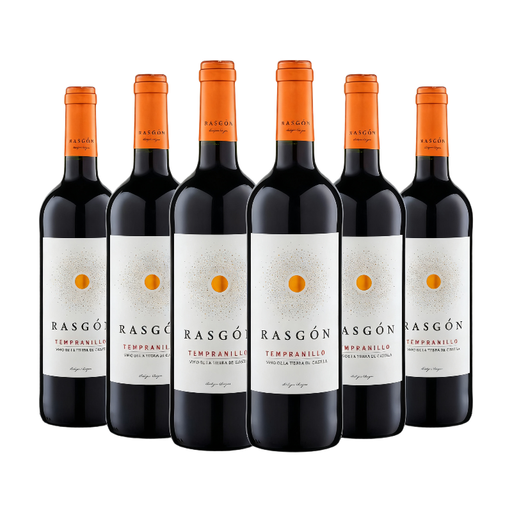
Why this product suits this profile: This dry Tempranillo comes in a six-bottle pack containing 4.5 litres in total, making it a good choice for regular meals or get-togethers.
The grape variety, origin in Castilla and dry style are clearly stated. This makes the wine easier to assess than a product described only with promotional tasting notes.
Six 0.75-litre bottles, described as having fruity and spicy notes. The alcohol content may vary by batch.
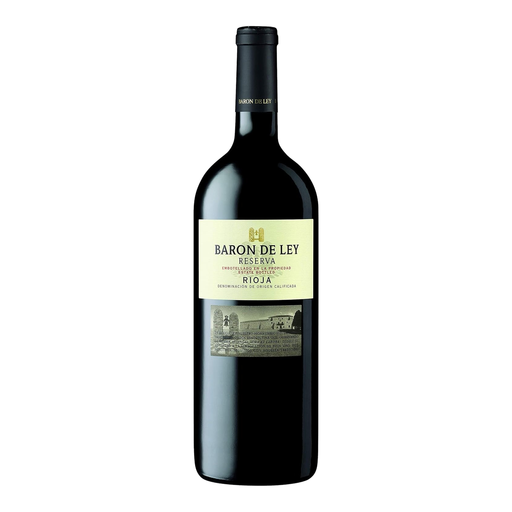
Why this product suits this profile: This single bottle of Rioja Reserva is for buyers looking to combine a clear origin, ageing details and a suitable gift option.
The details specify Rioja and Tempranillo, along with Graciano and Maturana. They also state that the wine spent 20 months ageing in oak barrels, followed by further bottle ageing.
Dry Rioja wine at 14 % vol., with a cork closure and stated notes of dark fruit and spice.
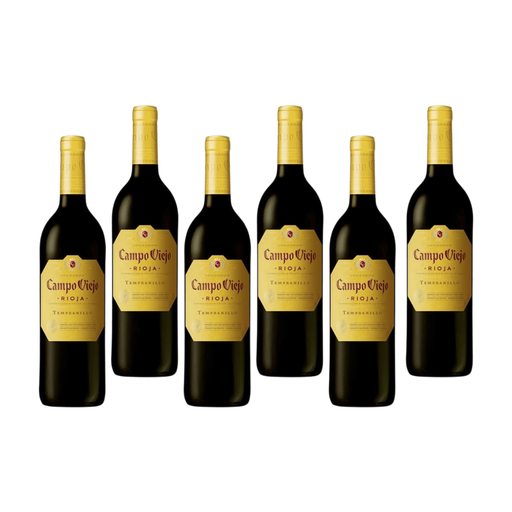
Why this product suits this profile: This six-bottle pack of Rioja Tempranillo is a good fit for households that regularly serve wine with hearty dishes or when entertaining.
The region, grape variety, six-bottle pack and serving temperature of 16–18 °C are all clearly stated. The description also mentions that the wine is aged in wood.
6 × 0.75 litres, 13 % vol. and a profile of red fruit, vanilla, cocoa and spice.
For fans of Catalan wines, Torres Sangre de Toro Original is a dry blend of Garnacha Tinta and Cariñena. The wine is partly aged in oak barrels and has an alcohol content of 13.5 % vol. If you’re looking for a dry wine from Catalunya made with Tempranillo and Cabernet Sauvignon, consider the six-bottle pack of Torres Coronas Tempranillo Catalunya DO.
Another option is Miguel Torres Andica Organic Carmenère. The six-bottle pack contains six 0.75-litre bottles at 13.5 % vol. The producer describes it as spicy and fruity; according to the product details, it pairs well with grilled meat, hearty pasta dishes and mature cheese.
If you’re looking for a single dry wine with a higher alcohol content, Miguel Torres Magallanes Tinto is a Catalunya wine made from Garnacha Tinta and Syrah at 14 % vol. Another option to serve with red meat and bold spices is Torres Sangre de Toro Reserva, made with Tempranillo, aged in barrels and bottled at 14–14.5 % vol.
We’ve put together a complete, regularly updated list of products that meet these strict selection criteria and fully comply with the safety regulations in force in the EU.
The right temperature depends on the product. The product details for the wines in this selection usually recommend 15 to 18 °C. You don’t necessarily need to store the wine in the fridge, but avoid keeping it somewhere warm or in direct sunlight.
That depends on the wine, closure and storage conditions. For Campo Viejo, it’s recommended that you drink an opened bottle within two to three days. Reseal the bottle and store it somewhere cool. The flavour and freshness may change after opening.
A six-bottle pack of red wine makes sense if you regularly serve the same style or often entertain several guests. Single 0.75-litre bottles give you more flexibility for gifts or comparing wines from different regions. Before buying, check the total quantity, alcohol content, storage conditions and allergen information. Drink responsibly; these products are intended only for people of legal drinking age.