
Lieferung heute & morgen

Qualitätsgarantie

Willkommens-Angebote freischalten: KOSTENLOSE Lieferung | Bis zu 80 % RABATT | Kostenlose 30-Tage-JoyPlus-Testphase
App herunterladen
Buying Spanish red wine online may seem straightforward at first. But the choice ranges from Rioja and Tempranillo to Garnacha, Carmenère and blends from different regions. If you buy based only on the look of the bottle, the brand name or a discount, it’s easy to overlook important details such as grape variety, origin, ageing, alcohol content and pack size.
There are three common buying mistakes worth avoiding:
For Spanish red wine, designations of origin such as Rioja DOCa or Catalunya DO are a useful starting point. The grape variety also shapes the wine’s flavour profile:
Rioja red wine often goes well with classic dishes such as braised beef, lamb or mature cheese. An easy-drinking Tempranillo, on the other hand, can also be served with tapas, pasta or grilled vegetables.
The term dry describes the wine’s residual sugar content; it doesn’t automatically indicate how intense it tastes. Alcohol content, acidity and tannins also matter when choosing a wine. Product details should clearly state whether, for example, the wine contains 13.5% or 14% alcohol by volume.
If you’re looking for a dry Spanish red to serve with rich dishes, consider Tempranillo, Rioja or aged blends. Spanish red wine in a six-bottle pack is handy for entertaining, as you’ll have several bottles for an occasion or to keep in stock.
When choosing a Crianza red wine or Reserva red wine, check the specific product description. Ageing in oak and in the bottle can bring out notes of vanilla, cocoa, spice or toast. These are flavour characteristics, not a guarantee of quality.
Also check:
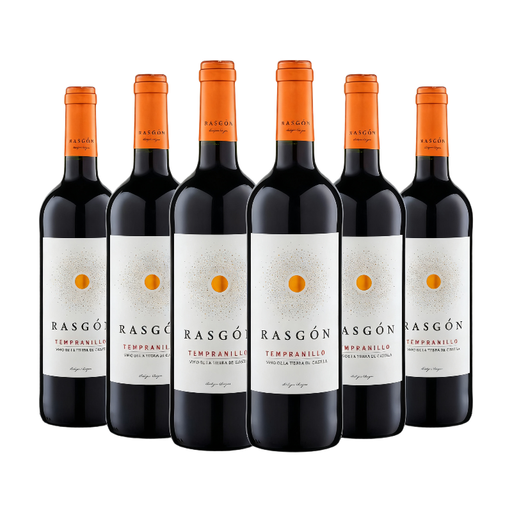
Why this product suits this type of buyer: This pack of six 0.75-litre bottles is ideal for households that want to keep a dry Tempranillo on hand to serve with pasta, barbecued food or tapas.
The product details clearly state the grape variety, Castilla origin and dry style, rather than relying on vague tasting terms.
Dry Tempranillo; six bottles totalling 4.5 litres.
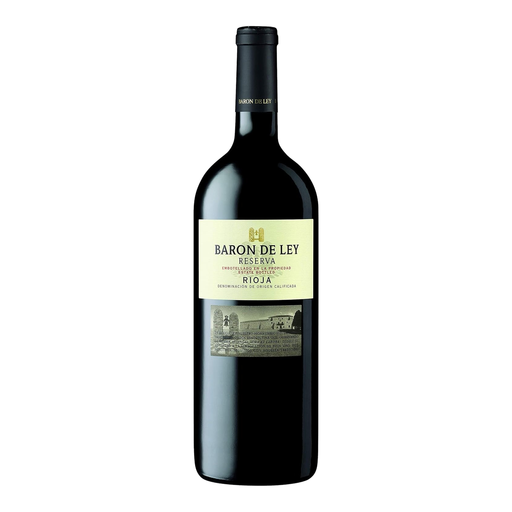
Why this product suits this type of buyer: Its Rioja origins, Tempranillo, Graciano and Maturana grapes, and stated ageing make it an appealing choice for celebratory meals or as a gift.
The product details clearly set out the region, grape varieties and ageing in oak and in the bottle.
Rioja DOCa; dry Reserva with 20 months of oak ageing, followed by further bottle ageing according to the product details.
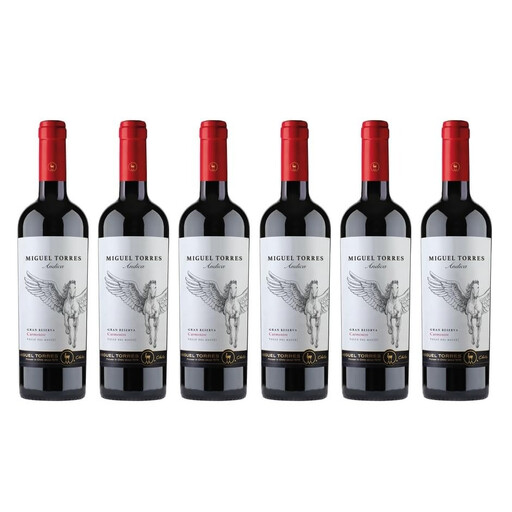
Why this product suits this type of buyer: This six-bottle pack is made for regular enjoyment and pairs well with grilled meat, rich pasta dishes or mature cheese.
The grape variety, alcohol content, bottle quantity and total volume are all clearly stated, making it easier to compare the price per litre.
Carmenère; six bottles of 0.75 litres each; 13.5% alcohol by volume according to the product description.
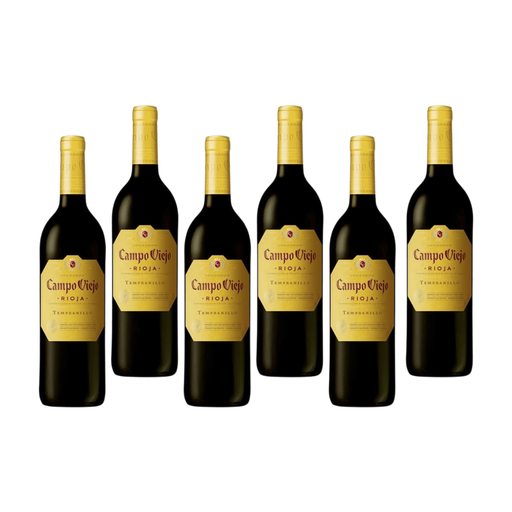
Why this product suits this type of buyer: A six-bottle pack of Rioja Tempranillo is a good choice for entertaining, traditional meals and occasions when you need several bottles.
The description gives details of the Rioja DOCa origin, Tempranillo grape, oak notes, serving temperature and storage conditions.
Tempranillo from Rioja; six bottles; recommended serving temperature of 16–18 °C.
We’ve put together a complete, regularly updated list of products that meet these strict selection criteria and fully comply with the safety regulations in force in the EU.
When choosing red wine for meat and tapas, make sure the food doesn’t overpower the wine. Full-bodied, spicy wines with tannins often work well with beef, lamb and braised dishes. Tapas featuring peppers, olives, chorizo or mature cheese often pair well with fruity, spicy Tempranillo or Garnacha.
Don’t assume Spanish red wine should always be served at room temperature. In a heated room, a temperature of around 16–18 °C may be more suitable. Follow the specific recommendation on the label or in the product description.
A dry Tempranillo or a fruit-forward blend is often an easy choice. Look for clear details about the grape variety, alcohol content and serving temperature. A six-bottle pack is handy if you plan to serve the wine with different dishes.
Crianza and Reserva are Spanish ageing classifications with set requirements for ageing periods. Reserva wines generally undergo a longer ageing period than Crianza wines. Other factors that shape the flavour include the type of oak, grape variety, vintage, storage and the individual style of the winery.
For the best flavour, opened red wine should be drunk within a few days and kept sealed in a cool place where possible. Unopened bottles should be stored somewhere cool, dry and away from light. Wine contains alcohol and is intended for adults only; please drink responsibly.