
Lieferung heute & morgen

Qualitätsgarantie

Willkommens-Angebote freischalten: KOSTENLOSE Lieferung | Bis zu 80 % RABATT | Kostenlose 30-Tage-JoyPlus-Testphase
App herunterladen
The decision to make your own sparkling water is often driven by a desire to reduce plastic waste and increase convenience. A sparkling water maker promises freshly carbonated water at the touch of a button. However, the market is flooded with devices whose differences are only apparent at second glance. Some initially budget-friendly models can prove impractical due to high running costs and a lack of compatibility.
This guide will help you identify the crucial features and avoid common purchasing traps. We focus on the technical facts that are essential for long-term satisfaction and use.
Before you make a decision, you should be aware of two widespread issues that can significantly limit the utility of a sparkling water maker:
To make an informed choice, you should carefully examine three technical aspects. These determine the usability, safety, and long-term costs.
The choice between glass and plastic bottles is more than a matter of aesthetics.
The core component for making your own sparkling water is the CO2 cylinder. There are two common systems here:
Before buying, check the availability of exchange cylinders. Most supermarkets and drugstores offer an exchange service, which is the most cost-effective way to refill.
The carbonation method affects daily handling. Manual devices with a lever or button give you full control over the fizz level—from gently sparkling to intensely fizzy. Automatic models offer preset levels. If you enjoy trying different flavour variations, you should ensure the manufacturer offers a selection of syrups, such as SodaStream syrups.
Instead of making a one-size-fits-all recommendation, we have matched products to specific use cases.
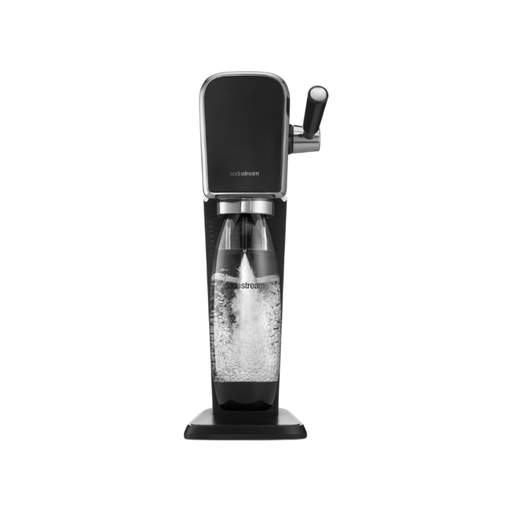
Why This Fits Their Persona: Ideal for users who value aesthetics and a premium feel. The retro design blends stylishly into modern kitchens, and the manual lever offers direct control over the carbonation.
It uses the modern Quick Connect system for CO2 cylinders, which is widely available. The included 1-litre bottle is BPA-free and dishwasher-safe, avoiding the material trap.
Manual, adjustable fizz level via the lever; elegant design; no electricity needed.
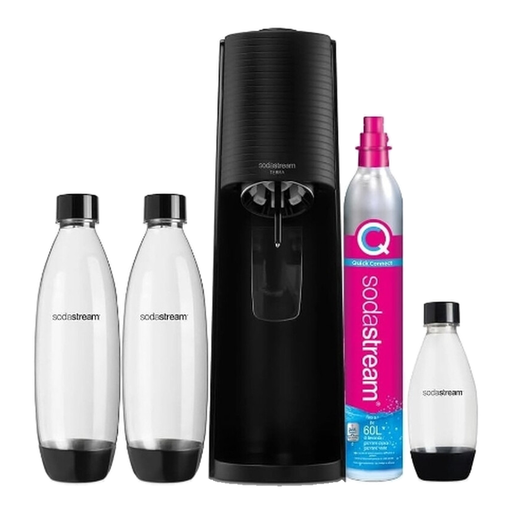
Why This Fits Their Persona: This set is tailored for family needs. With two 1-litre bottles and an additional 0.5-litre bottle for on-the-go use, there's always enough sparkling water for everyone.
The bundle solves the problem of expensive bottle replacements. All included bottles are dishwasher-safe and BPA-free. The Quick Connect system for the CO2 cylinder ensures easy handling.
Comprehensive starter kit with three bottles; all bottles are dishwasher-safe; simple push-button operation.
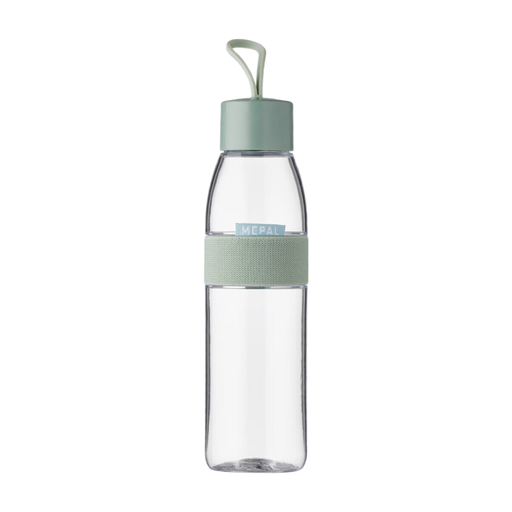
Why This Fits Their Persona: For anyone who wants to take their homemade sparkling water to the office, the gym, or on trips. This bottle is specifically designed for transporting carbonated drinks.
This Mepal water bottle is explicitly suitable as a bottle for carbonated drinks and is leak-proof. It solves the problem of standard bottles failing to withstand the pressure and leaking.
Guaranteed leak-proof with carbonated beverages; lightweight and durable material (PCTG); BPA-free.
We have compiled a complete, up-to-date list of products that fully meet these strict selection criteria and rigorous safety standards.
A standard 60-litre CO2 cylinder is sufficient for up to 60 litres of sparkling water, depending on your desired level of carbonation. Empty cylinders can be exchanged for full ones at most supermarkets, drugstores, and some electronics retailers. You only pay for the refill, not for the cylinder itself.
No, and this is a crucial point. Most standard water bottles are not designed to handle the pressure of carbonation. The seal can leak or, in the worst-case scenario, pop off. Only use bottles that are explicitly designated by the manufacturer as a bottle for carbonated drinks, such as models from Mepal or the original bottles from the sparkling water maker brands.
In most developed countries, tap water is of high quality and can be used directly without concern. However, if you live in an area with very hard water or want to reduce the taste of chlorine, using a water filter beforehand (e.g., from BRITA) can improve the taste experience and protect the device from limescale buildup.