
Lieferung heute & morgen

Qualitätsgarantie

Willkommens-Angebote freischalten: KOSTENLOSE Lieferung | Bis zu 80 % RABATT | Kostenlose 30-Tage-JoyPlus-Testphase
App herunterladen
A sparkling wine 6x0.75L is a practical option when you're entertaining several guests or want to have drinks on hand for recurring occasions. Six bottles give you a total of 4.5 litres, which works out to around 36 glasses of 125ml each, depending on how you pour. At the same time, a six-pack ties up more budget and storage space than buying individual bottles. A careful selection based on sweetness level, origin and alcohol content will help you avoid costly mistakes.
The label in the shop doesn't always tell you everything about the production method and style. A German Secco, Italian Frizzante, Crémant d'Alsace and classic Sekt can differ significantly in carbonation, aroma and mouthfeel. If you're looking for a bubbly drink to toast with, make sure you also check the specific product type.
"Brut", "trocken", "halbtrocken" and "semi-sweet" are not interchangeable terms. A dry Sekt usually tastes less sweet and often pairs well with salty snacks or a reception. A medium-dry Sekt can be more accessible for mixed groups. With a Lambrusco labelled "Semi-Sweet", you can expect noticeable residual sweetness. Always check the information on the label or product data sheet before buying.
A sparkling wine with 7.5% ABV behaves differently at an event than one with 12% or 12.5% ABV. For long parties, a reception or multi-course meals, this difference can matter when planning quantities. Additionally, sulphites are among the allergens that must be declared for many sparkling wines. If you have any intolerances, always refer to the ingredients and allergen list.
With a Sekt in a six-pack, you shouldn't just look at the total price, but also the price per 0.75-litre bottle. Also check that six bottles are actually included. Some product pages use similar names for single and multi-pack items.
These rough guidelines can help you make a structured choice:
The flavour description should match your planned food and your guests. A Chardonnay Sekt from France, for instance, can be dry and fruity-exotic, while a German Secco made from grape varieties like Müller-Thurgau, Silvaner or Morio Muskat can give a stronger grapey-fresh impression.
An Italian Frizzante often comes from regions like Veneto or Emilia-Romagna. A Crémant d'Alsace is made in France using the traditional method; with the product from Arthur Metz, a second fermentation in the bottle is specified. The Ferrari Brut Trentodoc from Trento is based on Chardonnay according to the product data and has 12.5% ABV. This kind of information is more meaningful than general marketing claims on the label.
The recommended serving temperature is also practically relevant. Depending on the product, this ranges from around 5 to 12 °C. A well-chilled bottle should only be opened just before serving, so that the fizz lasts as long as possible.
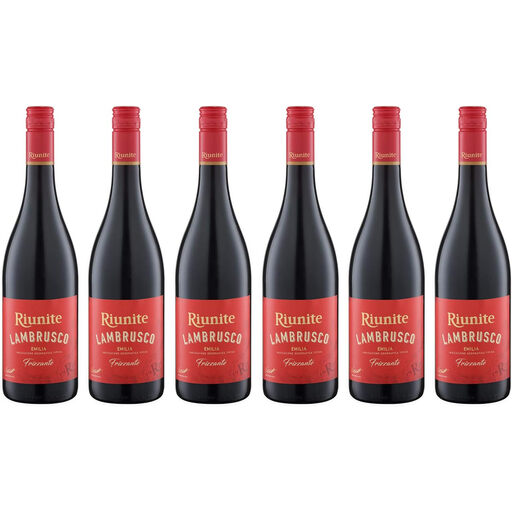
Why this product suits the profile: This Italian Frizzante from Emilia-Romagna is aimed at buyers looking for a fruitier style for social gatherings and who prefer a lower alcohol content of 7.5% ABV.
The product information clearly states "Semi-Sweet", 6 × 0.75 L and 7.5% ABV. This makes it easier to plan for sweetness and quantity before buying.
Six bottles, Italian origin and a stated alcohol content of 7.5% ABV.
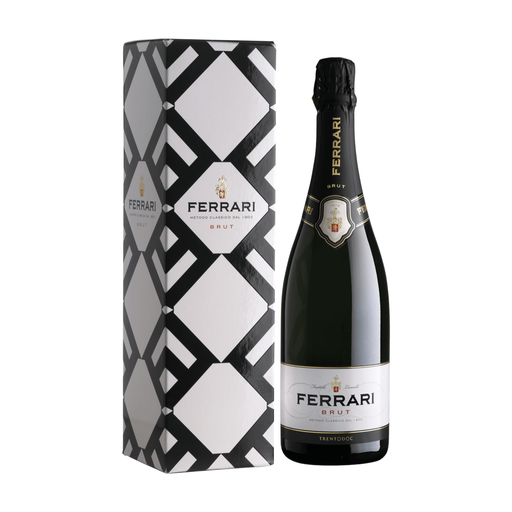
Why this product suits the profile: This Brut from Trento is made from Chardonnay according to the product description and offers specific details on alcohol, acidity, residual sugar and serving temperature.
The Brut designation is backed up by technical product data: 12.5% ABV, 6.7 g/l acidity and 7.0 g/l residual sugar.
Chardonnay as the stated grape variety, natural cork and a recommended serving temperature of 6–8 °C.
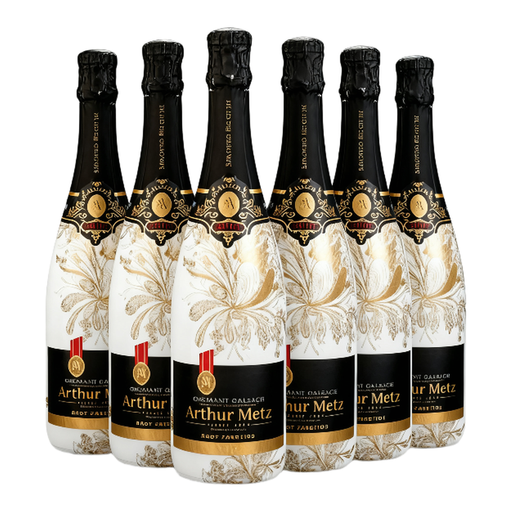
Why this product suits the profile: This French Crémant d’Alsace is ideal for receptions, aperitifs and meals where a sparkling wine made using the traditional method is called for.
The production method and the grape varieties used – Pinot Blanc, Pinot Gris, Riesling and Auxerrois – are specifically stated.
Six bottles, French origin and a serving recommendation of 8–12 °C.
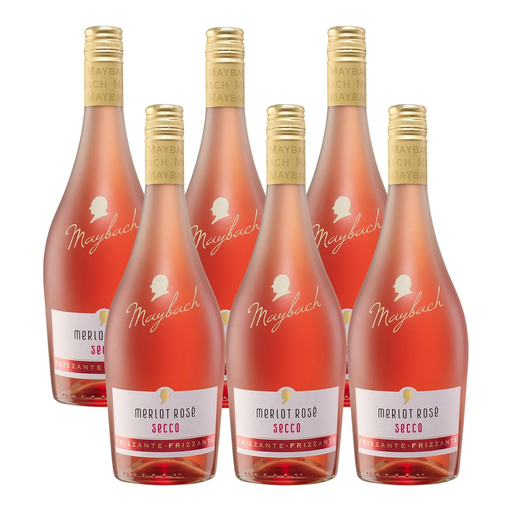
Why this product suits the profile: This German rosé sparkling wine made from Merlot is suitable for aperitifs, summer gatherings and groups where a fruity, dry style is wanted.
The product data lists the grape variety, colour, alcohol content of 10.5% ABV and the recommended serving temperature of 8–10 °C.
Merlot grape variety, rosé colour, 6 × 0.75 L and German origin.
Store unopened bottles in a cool, dry place away from light. The manufacturer's specific instructions take priority; some products should be stored upright. For a party, it's a good idea to chill only the number of bottles you expect to need and bring others to temperature gradually.
Once opened, sparkling wine loses its fizz over time. A suitable stopper can slow this process down, but it doesn't replace drinking it promptly. Alcoholic drinks are intended for adults only; alcohol should be avoided during pregnancy. Sulphites can trigger allergic reactions in sensitive individuals.
With a 125ml pour, six bottles of 0.75L each give you approximately 36 glasses. If you pour more generously, the number will be lower. For a reception, you should also plan for a few extra bottles in reserve.
Opened sparkling wine should ideally be consumed within one to three days and kept sealed in the fridge in the meantime. The specific information on the product packaging is what you should follow. Every time you open it, the fizz diminishes.
A medium-dry Sekt or a medium-dry product is often chosen as an accessible style. For guests who prefer less sweetness, a dry Sekt, Brut or a Crémant works well. If you're looking for fruity options, you could consider a Lambrusco, German Secco or rosé sparkling wine. When buying sparkling wine online, always check the sweetness level, alcohol content, pack size and allergen information together.