
Lieferung heute & morgen

Qualitätsgarantie

Willkommens-Angebote freischalten: KOSTENLOSE Lieferung | Bis zu 80 % RABATT | Kostenlose 30-Tage-JoyPlus-Testphase
App herunterladen
The selection of Sekt, Champagne, and Prosecco can be overwhelming. Whether for a wedding, an aperitif, or a gift, finding the right bottle is crucial. However, confusing labels and marketing promises often lead to disappointing purchases. This guide will help you identify the key quality markers and make an informed decision that perfectly suits your occasion and taste.
Before you order sparkling wine online, you should be aware of the typical mistakes that often lead to disappointment.
To find the right sparkling wine, focus on these three objective parameters.
The taste profile is determined by the residual sugar content, measured in grams per litre (g/l). While the terms are regulated across the EU, their interpretation can vary depending on the type of sparkling wine (e.g., German Sekt vs. Champagne).
The type of sparkling wine reveals its origin and production method, which directly impacts quality and price.
The choice of sparkling wine should always match the occasion.
Here are some recommendations that are tailored to specific needs and occasions.
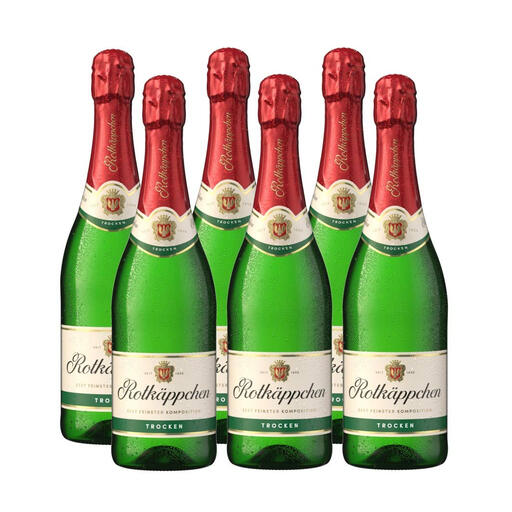
Why This Fits Their Persona: Ideal for larger celebrations, birthdays, or casual get-togethers where a well-known and approachable sparkling wine is needed. The 6-pack offers excellent value for money when catering to many guests.
The "Trocken" label accurately reflects its category as a German Sekt with a hint of sweetness. This avoids the common pitfall of mistaking it for a bone-dry "Brut" style, ensuring the taste meets expectations.
Consistently fresh and elegant taste. A practical bulk pack makes event planning simple.
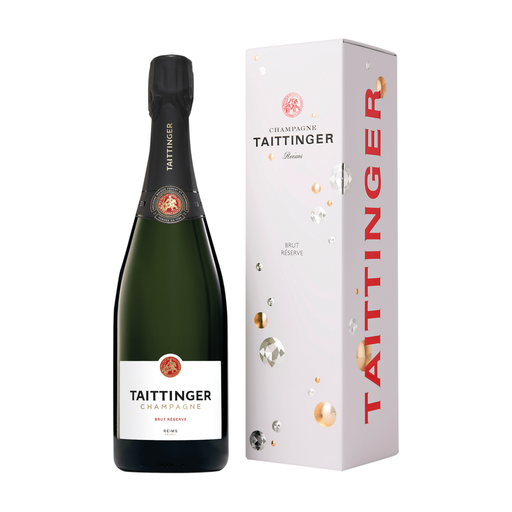
Why This Fits Their Persona: Perfect as a Champagne for a wedding, an anniversary, or as a prestigious corporate gift. Taittinger is an internationally renowned Champagne house that stands for elegance and quality.
As a genuine Champagne, it meets the strictest standards for origin and production. The "Brut Réserve" designation guarantees a balanced, dry style and a longer ageing period, clearly setting it apart from less expensive sparkling wines.
High Chardonnay content for finesse; harmonious notes of brioche, peach, and white flowers.
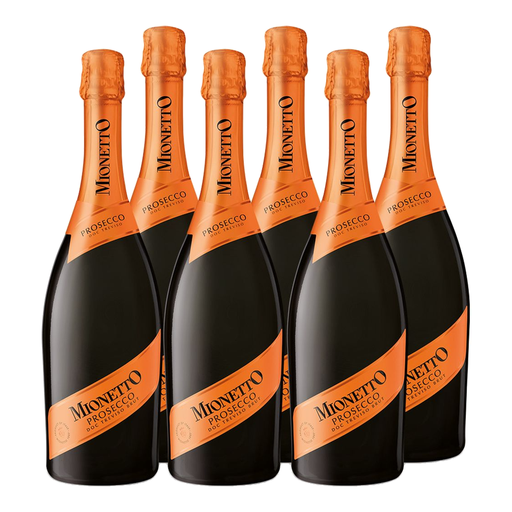
Why This Fits Their Persona: For anyone seeking that carefree Italian lifestyle. Perfect as an aperitif, for a girls' night out, or as a base for vibrant cocktails like an Aperol Spritz. Ideal for summer and social gatherings.
This Prosecco is clearly labelled "Spumante Brut" and comes from the renowned Prosecco region. It doesn't try to be Champagne; instead, it shines with the characteristic fruity aromas of the Glera grape. You get exactly the freshness you expect from a quality Prosecco.
A pronounced fruit bouquet (apple, pear) with a fine and persistent perlage. Versatile enough for sipping neat or using in cocktails.
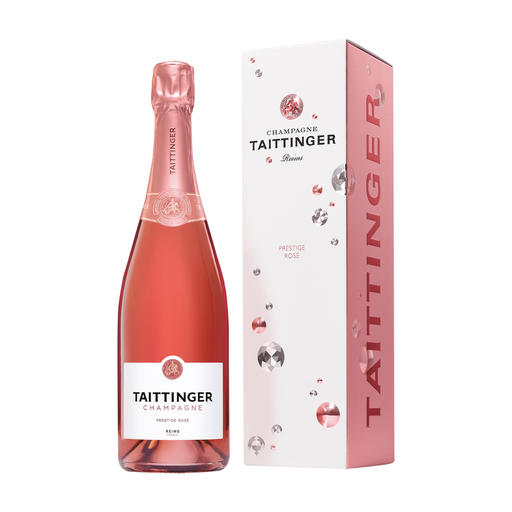
Why This Fits Their Persona: For special moments that call for a choice that stands out both visually and by taste. A Rosé Champagne makes a statement and is perfect for romantic occasions or as a stylish summer aperitif.
This Champagne gets its intense colour from the addition of red wine, which creates a complex, fruity aroma. It is clearly positioned as a high-quality Rosé Champagne, delivering the expected elegance and depth, rather than being just a coloured sparkling wine.
Vibrant, fruity, and fresh on the palate. An elegant balance between silky and full-bodied notes.
We have compiled a complete, real-time list of products that fully satisfy these strict selection criteria and UK safety regulations.
The main difference lies in their origin and production method. Champagne comes exclusively from the Champagne region of France and is made using traditional bottle fermentation. Crémant uses the same method but comes from other regions in France. Prosecco is from Northern Italy and is usually produced using the tank method (Charmat method), which makes it fruitier. Sekt is the German generic term; its quality ranges from basic Sekt (tank-fermented) to high-quality Winzersekt (bottle-fermented).
Sparkling wine bottles should be stored lying down in a cool, dark place with a constant temperature (ideally 10-15°C / 50-59°F). This keeps the cork moist and prevents air from getting in. Avoid direct sunlight and significant temperature fluctuations. Short-term storage in the refrigerator before serving is fine, but storing it there for weeks should be avoided.
The optimal serving temperature depends on the type of sparkling wine. Light, fresh styles like Prosecco or basic Sekt taste best at 6-8°C (43-46°F). More complex sparkling wines like Crémant or Champagne Brut unfold their aromas better at 8-10°C (46-50°F). Vintage Champagnes or particularly high-quality Rosés can even be enjoyed at 10-12°C (50-54°F). Serving it too cold will numb the taste buds and hide the delicate aromas.