
Lieferung heute & morgen

Qualitätsgarantie

Willkommens-Angebote freischalten: KOSTENLOSE Lieferung | Bis zu 80 % RABATT | Kostenlose 30-Tage-JoyPlus-Testphase
App herunterladen
Whether for a grand celebration, a cosy evening for two, or as a gift – when you buy sparkling wine, you're faced with a huge selection. The labels can be confusing, and the most expensive bottle isn't always the right choice. To make your decision easier, we've summarised the most important points, showing you how to avoid common pitfalls and find the perfect sparkling wine for your occasion.
Navigating the sparkling wine aisle, whether online or in-store, isn't always straightforward. Marketing jargon and unclear labels often lead to disappointing purchases. Here are three typical situations you can avoid:
To make an informed decision, three criteria are crucial: the sweetness level, the type of sparkling wine, and the quantity needed.
The residual sugar content determines how sweet or dry a sparkling wine tastes. The terms are regulated across the EU but can be confusing depending on the language.
The designation reveals a lot about the origin and production method, which is reflected in the price and taste.
Are you planning a party or just want to stock up? Then buying sparkling wine by the case (usually 6 bottles) is often the most economical solution. Many retailers offer attractive sparkling wine deals for purchasing larger quantities. This allows you to conveniently order Sekt online and always have a suitable bottle on hand for the next occasion. For a gift or a special evening, a single bottle is sufficient.
Here are some recommendations tailored to different needs and occasions.
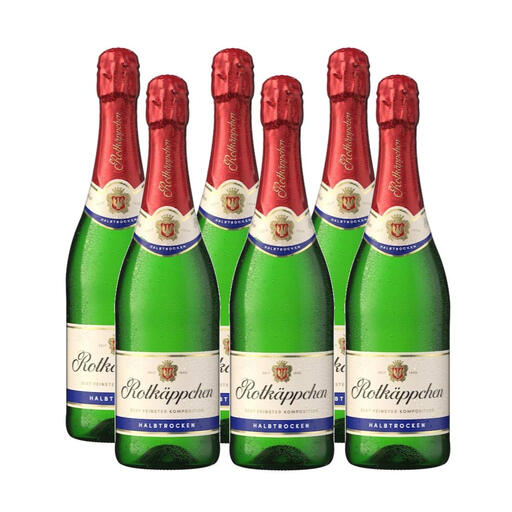
Why it's a great fit: Perfect for hosts of family gatherings or parties who want a well-known and approachable sparkling wine that appeals to a wide range of palates. Buying it by the case of 6 offers excellent value for money.
This Sekt is clearly labelled "halbtrocken" (medium-dry), delivering on the expectation of a fruity, sweetish taste that is popular with many guests and makes no false promises.
Reliable, consistent quality from a famous German brand. A balanced, fruity bouquet that allows for straightforward enjoyment.
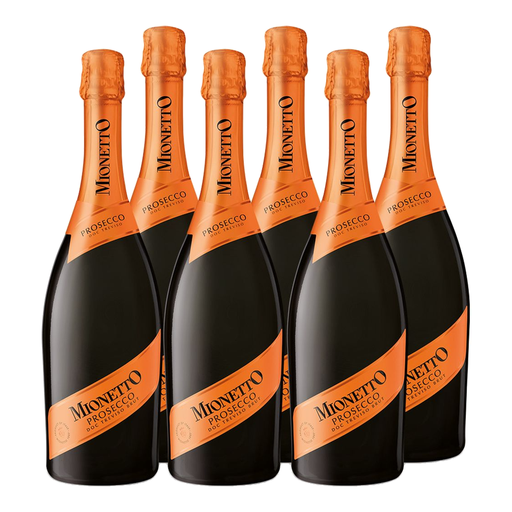
Why it's a great fit: For anyone who wants to experience the feeling of an Italian aperitivo at home. The dry Brut style is an excellent base for spritz cocktails or for enjoying neat with light appetisers.
This Prosecco avoids the "Dry" trap by being clearly labelled "Brut," signalling a dry taste profile. It delivers exactly the freshness and crispness you expect from a high-quality Prosecco.
Fine, persistent bubbles (perlage) and a fruity bouquet of apple and pear. As a Spumante, it has higher carbonation pressure than a Frizzante, making it feel more vibrant.
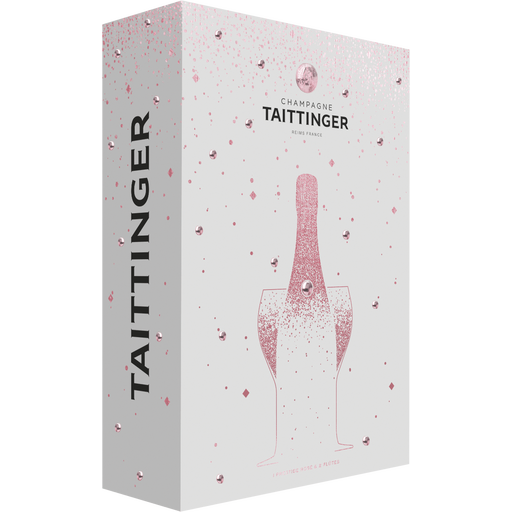
Why it's a great fit: For special occasions like anniversaries or as a premium gift. This set, complete with two glasses, underscores its exclusive character and is intended for connoisseurs who appreciate an elegant Rosé Champagne.
Here, you're not just paying for a name, but for the proven quality and prestige of a major Champagne house. It is the right choice for an occasion that demands something truly special.
Intense, shimmering colour and an elegant balance on the palate. Aromas of red fruits make it lively, fresh, and full-bodied. Delivered in a gift set with matching glasses.
We've compiled a complete, up-to-date list of products that meet these strict selection criteria and quality standards.
The main difference lies in their origin and, often, their production method. Champagne comes exclusively from the Champagne region of France and is made using in-bottle fermentation. Prosecco comes from defined regions in Italy and is usually produced using the tank fermentation method. Sekt is the German term for quality sparkling wine; the grapes can come from various countries unless it is labelled "Deutscher Sekt."
Sparkling wine bottles should be stored upright in a cool, dark place with a constant temperature (ideally 10–15 °C). Unlike still wine, upright storage is beneficial because the high carbon dioxide pressure keeps the cork sufficiently moist, ensuring a tight seal. If you buy Sekt by the case, you can store it directly in your cellar or a cool pantry.
The ideal serving temperature for most sparkling wines is between 6 and 8 °C. Lighter varieties like Prosecco Frizzante or a Sekt halbtrocken (medium-dry) can be served slightly cooler, while complex sparkling wines like vintage Champagne unfold their aromas better at 8–10 °C. It's best to chill the bottle in the refrigerator for a few hours or in an ice bucket for about 30 minutes.