
Lieferung heute & morgen

Qualitätsgarantie

Willkommens-Angebote freischalten: KOSTENLOSE Lieferung | Bis zu 80 % RABATT | Kostenlose 30-Tage-JoyPlus-Testphase
App herunterladen
By a Joybuy Product Recommendation OfficerPublished on July 28, 2026
The selection of Sekt, Prosecco, and other sparkling wines on the shelf or online can be overwhelming. Many people grab a bottle out of habit or based on marketing promises, only to later find it doesn't suit the occasion or their personal taste. Before you buy your next bottle of sparkling wine, you should know the three most common pitfalls that lead to an unsuitable choice.
To avoid these mistakes, it's helpful to familiarise yourself with the fundamental parameters that define a good sparkling wine.
The right choice doesn't depend on the label design, but on objective characteristics. Pay attention to the following three points to find a sparkling wine that meets your expectations.
The most important information on the label is the sweetness level, which defines the residual sugar content. The official scale for Sekt in Germany is structured as follows:
For celebrations where many different tastes come together, a semi-dry sparkling wine (halbtrocken) is often a safe bet. Those looking for an apéritif to stimulate the appetite should opt for a dry sparkling wine (trocken) or brut.
The origin and production method have a major impact on quality and price.
The demand for high-quality, non-alcoholic options is steadily growing. A good non-alcoholic sparkling wine is not simply made from grape juice. Instead, the alcohol is removed from a finished wine in a gentle process. This preserves many of the original aromas and the characteristic structure, offering a much more authentic taste experience.
Instead of presenting an overwhelming list, we have selected products for specific profiles and needs.
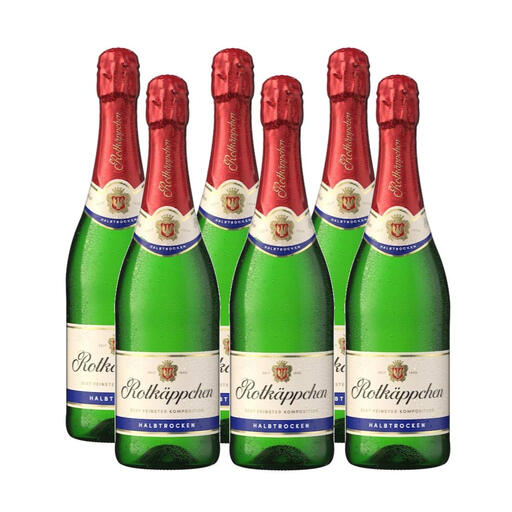
Why This Fits Their Persona: Ideal for parties, birthdays, or for stocking up for spontaneous celebrations. The balanced, fruity taste appeals to a wide audience, and the bulk pack offers excellent value for money.
The clear declaration as medium-dry (halbtrocken) prevents the "dry" trap. Guests get exactly the pleasant sweetness that makes this sparkling wine so popular.
Consistent quality from an established German brand. A balanced, full-bodied bouquet that suits many occasions.
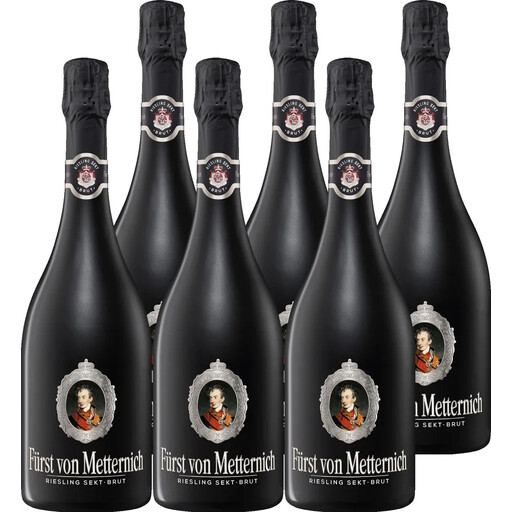
Why This Fits Their Persona: For festive moments where quality is paramount. This sparkling wine is aimed at lovers of characterful, dry sparkling wines who appreciate the typical aromas of Riesling.
As a Brut sparkling wine, it delivers the expected dryness and freshness. It avoids the occasion mismatch pitfall by offering precisely the elegance sought for special events.
Made from 100% Riesling grapes, giving it a fruity bouquet and a refreshing vibrancy. Represents German Sekt culture at a high level.
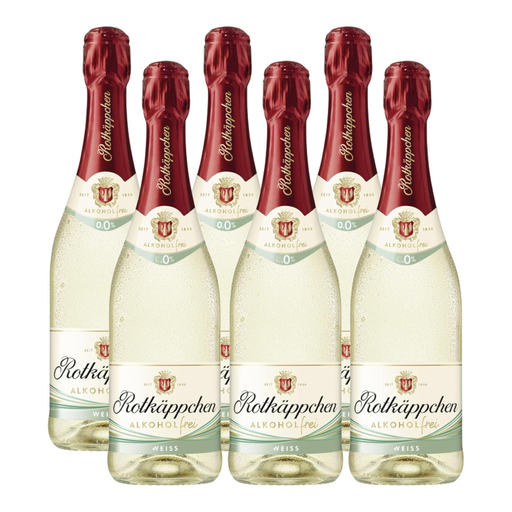
Why This Fits Their Persona: Perfect for anyone who wants or needs to avoid alcohol but doesn't want to miss out on the festive feeling of a toast. Ideal for baby showers, designated drivers, or as a light evening alternative.
This is not just sweet grape juice, but a dealcoholised wine. It avoids the trap of being a childish alternative and offers a mature, Sekt-like taste experience.
A fresh and fruity taste with the typical vibrancy of the Rotk?ppchen brand. Allows for carefree enjoyment on any occasion.
We have compiled a complete, up-to-date list of products that meet these strict selection criteria and quality standards.
The main difference lies in the origin and the grape variety. Sekt is the German term for quality sparkling wine and can be made from various grape varieties. Prosecco is a protected designation of origin for sparkling and semi-sparkling wines from specific regions in Northern Italy, predominantly vinified from the Glera grape. In terms of taste, Prosecco is often characterised by notes of green apple, pear, and citrus, while Sekt can exhibit a broader range of aromas.
Unlike some red wines, sparkling wine is not intended for long-term storage. It is sold ready to drink and should ideally be consumed within one to two years of purchase to preserve its freshness and perlage. Store the bottles upright in a cool, dark place. An opened bottle should be resealed with a special sparkling wine stopper, kept in the refrigerator, and consumed within 1-2 days.
The ideal serving temperature for most Sekt, Crémant, and Prosecco is between 6 and 8 °C (43-46 °F). A sparkling wine that is too warm loses its effervescence and seems less refreshing. Conversely, a sparkling wine that is too cold cannot fully develop its aromas. A Rosé sparkling wine or sweeter varieties can also be enjoyed slightly warmer at 8-10 °C (46-50 °F).