
Lieferung heute & morgen

Qualitätsgarantie

Willkommens-Angebote freischalten: KOSTENLOSE Lieferung | Bis zu 80 % RABATT | Kostenlose 30-Tage-JoyPlus-Testphase
App herunterladen
If you’re looking to buy sparkling wine and Champagne online, you’ll quickly find a wide selection from Germany, France, Italy and Spain. However, product names alone don’t always tell you whether a bottle will suit your occasion, menu or personal taste. Before you buy, it’s worth checking the sweetness level, origin, alcohol content, bottle size and pack quantity.
“Dry” doesn’t automatically mean that a sparkling wine contains no residual sugar. The terms follow set categories:
So if you’re looking for a dry sparkling wine for a reception, don’t just filter for “Dry” in the product name. The specific taste description on the product page is what matters.
German Sekt, Italian Prosecco, Spanish Cava and French Champagne are different categories. Champagne can only come from the Champagne region of France. Prosecco is typically made in Italy from Glera grapes, while Cava comes from Spain and is produced according to set rules.
Secco or Vino Spumante can also be sparkling, but that doesn’t automatically make it Prosecco or Champagne. If you specifically want to buy Champagne or Prosecco online, check the protected designation, country of origin and product type.
A single 0.75-litre bottle makes a suitable gift of sparkling wine or choice for a small occasion. For weddings, birthdays and larger receptions, a 6-bottle pack of sparkling wine can be more economical and practical. You should also check whether the pack contains mini or standard bottles. For example, “City Secco Dry White Sparkling Wine” is available in a 12-pack, with 0.2 litres per bottle. That’s handy for individual servings at a party, but it doesn’t contain the same volume as six standard bottles.
Dry styles such as Brut or dry Sekt are often a good choice for a classic aperitif. Brut Sekt also pairs well with salty snacks, seafood and light starters. Rosé Sekt has a fruitier style and is often chosen for birthdays, summer parties or to serve with fruit and mild dishes.
Sweeter options such as Asti or mild Sekt can go well with desserts. Just remember that “Extra Dry” shouldn’t be confused with “Brut”.
Traditional bottle fermentation is an important part of the style of Champagne and Cava. Prosecco is often made using the tank fermentation method, which helps preserve fresh, fruity qualities. These methods aren’t a blanket measure of quality, but they can help you understand the flavour.
If you prefer aromatic, fruity wines, look out for notes such as apple, pear, citrus fruit, red berries or peach. French Champagne often combines Chardonnay, Pinot Noir and Pinot Meunier. Cava such as Freixenet Carta Nevada Seco comes from Spain and is described as a dry sparkling wine.
Depending on the variety, the products in this selection contain approximately 7 to 12.5 per cent alcohol. You’ll find the exact figure on the product page or label. Sparkling wines often contain sulphur dioxide and sulphites, which must be labelled as allergens.
Store unopened bottles in a cool, dry place away from direct sunlight. Once opened, use a suitable sparkling wine or Champagne stopper and keep the bottle in the fridge. Make sure you comply with the legal age restrictions. Alcoholic drinks are not suitable for pregnant women. Please drink responsibly.
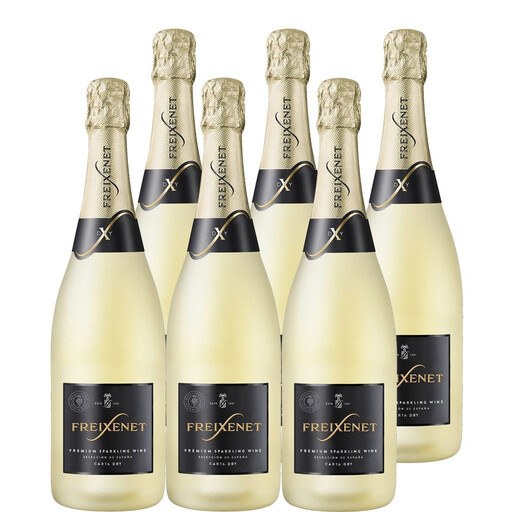
Why it suits this profile: The pack of six 0.75-litre bottles is ideal for parties, stocking up and serving several guests. Its dry style works well as an aperitif and with light dishes.
The Spanish origin, pack size and “Seco” taste are clearly stated. This makes it easier to match your purchase to the number of guests and your preferred sweetness level.
Six standard bottles, 11.5 % vol. and, according to the product information, suitable for vegetarians and vegans.
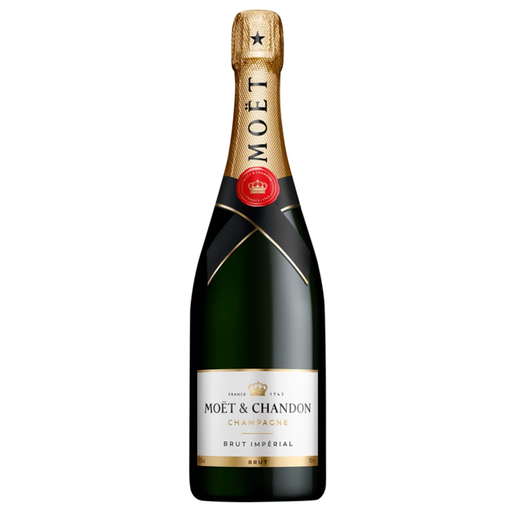
Why it suits this profile: The single 0.75-litre bottle is a good choice for a special reception, as a gift or for a small gathering.
The product type, Champagne, its country of origin, France, and its Brut style are all clearly stated. This helps distinguish it from sparkling wine in general.
12.0 % vol., French origin and a recommended serving temperature of 8–10 °C.
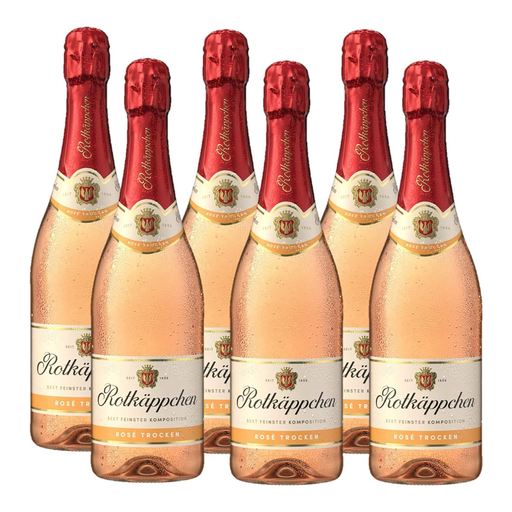
Why it suits this profile: This six-pack of rosé Sekt is ideal for parties, family celebrations and get-togethers when you need several bottles.
The dry taste and number of bottles are clearly stated. You can plan how much you’ll need for a celebration without mistaking a single bottle for a multi-bottle pack.
6 x 0.75 litres, 11 % vol. and fruity notes said in the product description to evoke fresh strawberries.
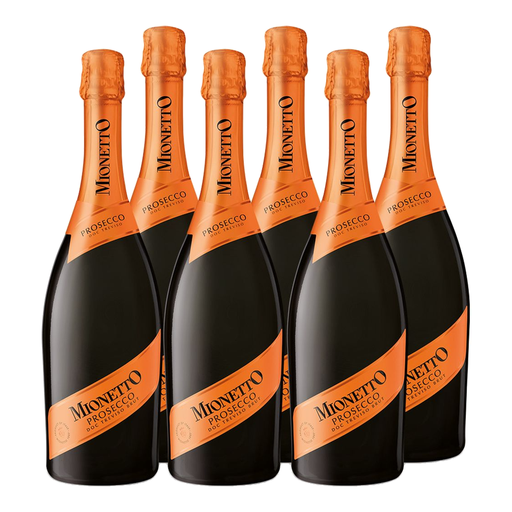
Why it suits this profile: This six-pack of Italian Prosecco is a great match for aperitifs, antipasti, fish dishes and relaxed gatherings with several guests.
The Prosecco DOC designation, Italian origin, Brut style and total volume of 4.5 litres are all clearly stated.
11 % vol., 6 x 0.75 litres and, according to the product description, aromas of apple and pear.
We’ve put together a complete, regularly updated list of products that meet these strict selection criteria and fully comply with the safety regulations in force in the EU.
A 0.75-litre bottle serves around six to eight glasses, depending on the pour. For a reception with several guests, a six-pack can be a good choice. For a short occasion or as a gift, one bottle is often enough. Remember to plan for soft drinks and water as well.
Sparkling wine gradually loses its fizz once opened. A suitable stopper and storage in the fridge can help keep it fresh for a short time. Follow the manufacturer’s specific recommendation; several product listings advise drinking it within one to three days.
Price depends on factors including origin, brand, production method, pack size and presentation. A multi-bottle pack often lowers the price per bottle, while individual bottles of Champagne are often chosen as a gift or for a special occasion. For a fair comparison, always check the price per litre.