
Lieferung heute & morgen

Qualitätsgarantie

Willkommens-Angebote freischalten: KOSTENLOSE Lieferung | Bis zu 80 % RABATT | Kostenlose 30-Tage-JoyPlus-Testphase
App herunterladen
Whether for a wedding, a birthday, or simply a special evening toast, choosing the right sparkling wine can make all the difference. But when you're looking to buy sparkling wine and Champagne online, you're often faced with an overwhelming selection. Marketing jargon and a plethora of options make it difficult to make an informed decision. This guide will help you avoid common pitfalls and find the perfect sparkling wine for your occasion and palate.
As your Joybuy Product Recommendation Officer, I'll filter out the noise and give you the essential information, so you can make a choice based on facts, not just marketing hype.
Before you fill your shopping cart, you should be aware of three common misconceptions that often lead to a poor choice.
To find the right bottle, focus on these three objective criteria. They will help you decipher labels and make an educated choice.
The most important information on the label is the sweetness level, which indicates the residual sugar content in grams per litre. These designations are standardised across the EU:
The production method has a significant impact on the quality of the perlage (the bubbles) and the complexity of the aromas.
What do you plan to use the sparkling wine for?
Here are some recommendations tailored to different needs and profiles.
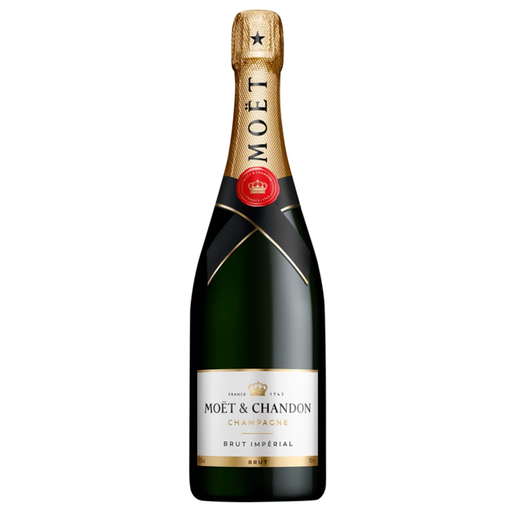
Why This Fits Their Persona: Ideal for milestones like anniversaries or as a prestigious gift. The name represents luxury and celebratory moments where you don't want to compromise.
It bypasses the pitfall of unclear origin. As a true Champagne, it meets the strict criteria of the appellation and delivers the expected quality associated with its name and price.
Consistent quality and a universally acclaimed style. Pronounced fruitiness and elegant maturity that appeal to a broad audience.
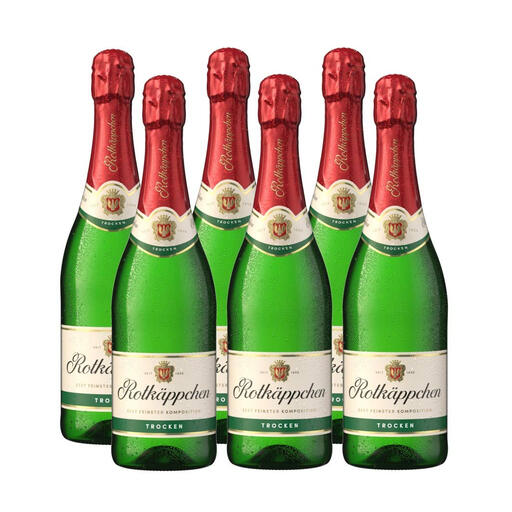
Why This Fits Their Persona: Perfect for parties, birthdays, or New Year's Eve when multiple bottles are needed. A reliable and well-known choice in Germany that won't break the bank.
It avoids the "expensive equals better" trap. You get a solid, well-made German Sekt at a fair price, without paying extra for a prestigious name or a complex production method.
A balanced, fresh character and a fine effervescence. The "Dry" style is a great compromise that will please most guests.
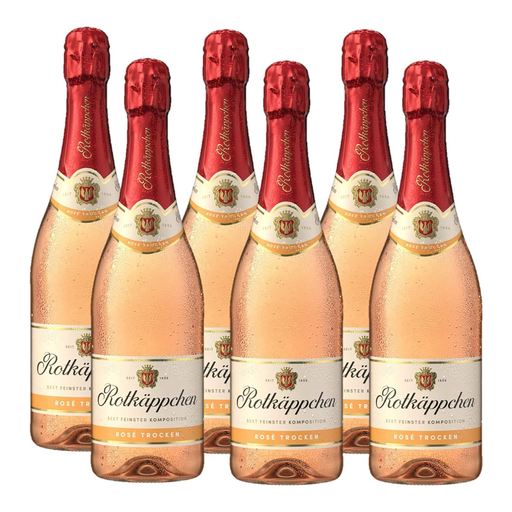
Why This Fits Their Persona: For anyone seeking a fruity and visually appealing alternative to classic white sparkling wine. Ideal for summer evenings, picnics, or as a colourful aperitif.
This Rosé Sekt is clearly labelled as such and offers a straightforward, fruit-forward taste experience. It avoids the pitfall of comparing itself to an expensive Rosé Champagne, instead delivering reliable quality within its segment.
A finely balanced, fruity bouquet reminiscent of strawberries. The salmon-pink colour and lively effervescence make it an eye-catcher in the glass.
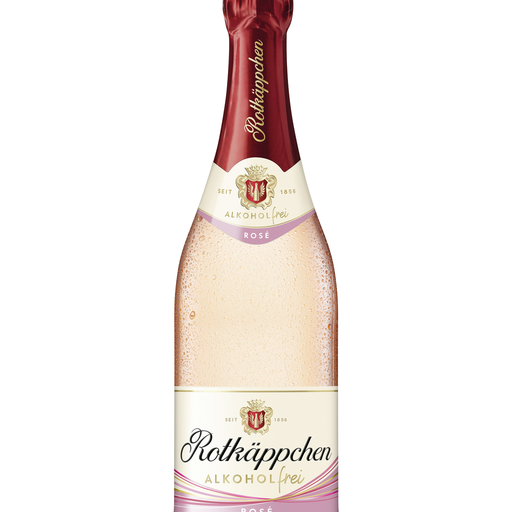
Why This Fits Their Persona: For anyone who avoids alcohol for personal or health reasons but doesn't want to miss out on the celebratory fizz. Perfect for baby showers, designated drivers, or a mindful lifestyle.
It solves the problem of non-alcoholic alternatives often being perceived as mere grape juice. Through a gentle dealcoholisation process, it retains a wine-like character and offers a mature flavour profile.
Intensely fruity taste with notes of raspberry and strawberry. A fine, long-lasting effervescence provides an authentic sparkling wine experience, without the alcohol.
If you're ready to find the perfect bottle for your next occasion, you can browse our entire collection here. We've curated a comprehensive selection that meets the criteria mentioned in this guide.
1. What is the exact difference between Sekt, Prosecco, and Champagne? The main difference lies in their origin and production method. Champagne comes exclusively from the Champagne region of France and is made using traditional bottle fermentation. Prosecco comes from specific regions in Italy, is usually fermented in tanks, and is therefore fruitier and lighter. Sekt is the German term for quality sparkling wine, and its production method can vary, leading to a wide range of styles.
2. How long does an opened bottle of sparkling wine or Champagne last? Once opened, sparkling wine quickly loses its carbonation. With a special sparkling wine stopper, an opened bottle can be kept fresh in the refrigerator for about 1 to 2 days. Without a stopper, the fizz will often dissipate within a few hours.
3. What is the ideal drinking temperature for sparkling wine? The recommended serving temperature is generally between 6 and 10°C (43–50°F). Lighter sparkling wines like Prosecco are best served cooler (6–8°C), while more complex Champagnes unfold their aromas better at slightly higher temperatures (8–10°C). Serving it too cold will suppress the aromas, while serving it too warm will make the wine seem flat.