
Lieferung heute & morgen

Qualitätsgarantie

Willkommens-Angebote freischalten: KOSTENLOSE Lieferung | Bis zu 80 % RABATT | Kostenlose 30-Tage-JoyPlus-Testphase
App herunterladen
If you want to buy sparkling wine and Champagne online, you’ll quickly find a wide selection from Germany, France, Italy and Spain. However, product pages differ in more than just price: sweetness, production method, bottle size and what’s included can all vary. Narrowing down your options helps you avoid buying the wrong thing, especially if you need several bottles for a celebration or a gift set.
Terms such as Brut, Dry, Extra Dry, Demi-Sec, “medium-dry” and “mild” aren’t always self-explanatory. With Prosecco, for example, “Extra Dry” means more residual sugar than “Brut”. So if you’re looking for a distinctly dry taste, don’t rely on the word “Dry” in the brand name alone. Check the stated taste profile and, where available, the residual sugar content.
Champagne can only come from the Champagne region of France. French Champagne is therefore not just any French sparkling wine. Crémant is also often made using the traditional method, but comes from other French regions. Cava comes from Spain, while Italian Prosecco is made mainly from Glera grapes and is usually produced using the tank method.
A single 0.75-litre bottle isn’t directly comparable with a six-pack of sparkling wine or a case of small 0.2-litre bottles. Before buying, check the number of bottles, the volume of each bottle and the total quantity. A 12-pack of 0.2-litre bottles can be handy for serving individual portions, but contains less in total than six standard 0.75-litre bottles.
Dry styles are often a good match for a classic aperitif or a meal. Examples include dry sparkling wine, Brut cuvées, Brut Champagne and dry Cava. If you prefer a milder, fruitier style, try medium-dry sparkling wine, Demi-Sec or a more aromatic rosé.
As a general guide:
The details on the specific label are what matter. How sweet a wine tastes also depends on its acidity, temperature and bubbles.
German Sekt can be made from a range of base wines. For Prosecco DOC, the protected designation of origin is an important indication of the approved region and production requirements. Cava and Crémant are often associated with traditional bottle fermentation. Well-known Champagne grape varieties include Chardonnay, Pinot Noir and Pinot Meunier.
The production method influences the style, but doesn’t replace the need to check the specific product. Product pages should therefore state the country and region of origin, grape varieties and, where relevant, the production method.
Many of the products in this selection contain around 10.5 to 12.5% alcohol by volume. It’s also worth noting that many wines and sparkling wines contain sulphites. If you have a sensitivity, check the ingredients and allergen information on the product page.
Unopened bottles should be stored in a cool, dry place away from direct sunlight. Most products have a recommended serving temperature of between 6 and 10 °C. Once opened, sparkling wine gradually loses its fizz. A suitable stopper and cool storage can slow this process.
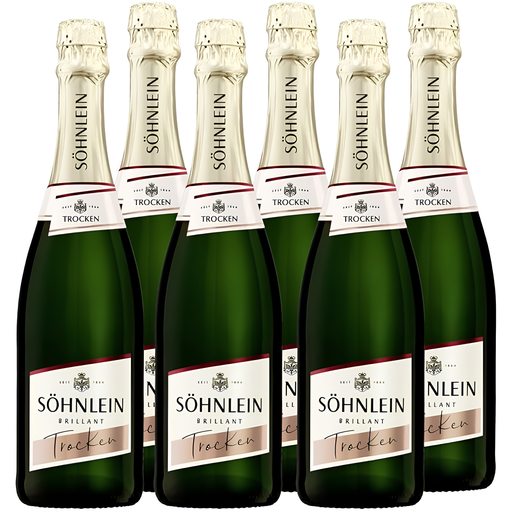
Why it suits this profile: This German Sekt comes in a six-bottle multipack and is well suited to get-togethers where you’ll be serving several glasses.
The product details specify six 0.75-litre bottles, 11% vol. and a delicately fruity to dry style. That makes it easy to check the quantity and taste before buying.
German origin, six 0.75-litre bottles and a recommended serving temperature of 11 °C.
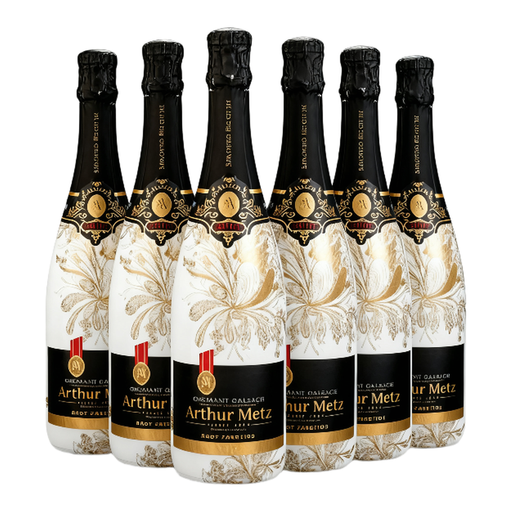
Why it suits this profile: This French Crémant is described as being made using the traditional method, with a second fermentation in the bottle. It’s a good choice for buyers comparing origin and production methods.
The product description gives the region, production method and grape varieties: Pinot Blanc, Pinot Gris, Riesling and Auxerrois. This makes it easier to compare it with Champagne on an informed basis.
Brut style, French origin and six bottles, each holding 0.75 litres.
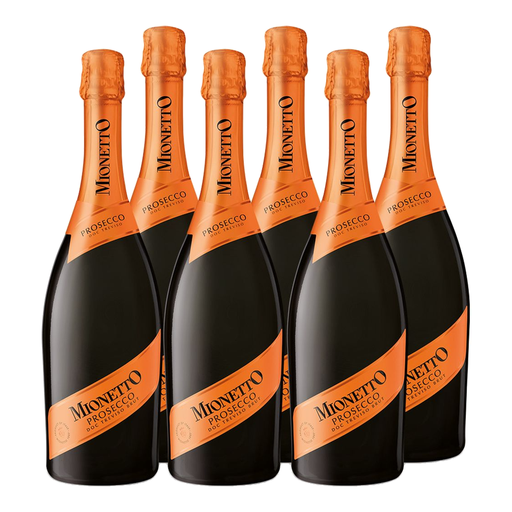
Why it suits this profile: This six-pack of Italian Prosecco is ideal for regular aperitifs and celebrations, and makes a great base for cocktails.
The listing specifies DOC, Glera grapes, 11% vol., six bottles and a serving temperature of 6–8 °C. This clearly distinguishes it from German Sekt.
Italian DOC origin, Brut style, 4.5 litres in total and recommended food pairings.
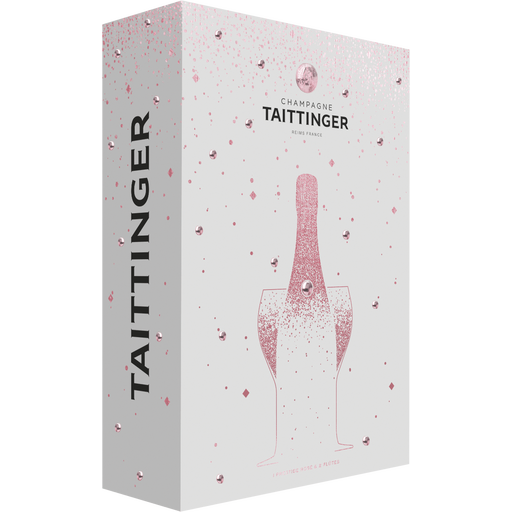
Why it suits this profile: This French rosé Champagne comes as a gift set with two genuine Champagne glasses, making it a thoughtful choice for a special occasion.
The contents are clearly listed as one 0.75-litre bottle and two glasses. This makes it easy to distinguish a sparkling wine gift set from a single bottle without accessories.
Rosé Champagne from France, 12.5% vol. and a gift set with two glasses.
We’ve put together a complete, regularly updated list of products that meet these strict selection criteria and fully comply with the safety regulations in force in the EU.
Start by comparing the price per 0.75 litres, origin, sweetness, alcohol content and number of bottles. Also check whether you’re looking at Sekt, Prosecco, Crémant, Cava or Champagne. Information about sulphites and storage should be available on the product page.
Once opened, sparkling wine gradually loses its fizz. A suitable sparkling wine stopper and refrigeration can help preserve its freshness for a limited time. Follow the manufacturer’s specific recommendation; several product listings advise drinking the wine within one to three days.
Many products are best served chilled. Prosecco is often recommended at 6–8 °C, while Champagne and rosé sparkling wine are often served at 8–10 °C. A bottle that’s too warm tends to taste less fresh, while significant temperature fluctuations can affect storage. Alcohol should only be consumed by those of legal drinking age, and always responsibly; alcoholic drinks should be avoided during pregnancy.