
Lieferung heute & morgen

Qualitätsgarantie

Willkommens-Angebote freischalten: KOSTENLOSE Lieferung | Bis zu 80 % RABATT | Kostenlose 30-Tage-JoyPlus-Testphase
App herunterladen
The world of sparkling wine is diverse and fascinating. From French Champagne and Italian Prosecco to German Sekt and Crémant, the selection can be overwhelming. Whether for a festive celebration, as a stylish apéritif, or as a premium gift, choosing the right bottle is key to the perfect experience.
This guide is designed to bring clarity to your choice. We will provide objective criteria and a curated selection of sparkling wines to help you make an informed decision that perfectly suits your needs and the occasion.
To find the perfect sparkling wine, a little basic knowledge goes a long way. The following points offer a practical guide.
A sparkling wine's designation often reveals its origin and production method, which directly impacts its flavour and price.
The sweetness level is a crucial factor in the taste experience. The most common designation is Brut sparkling wine.
Your choice of sparkling wine should match the occasion.
Here is a curated selection of different types of sparkling wine, each distinguished by its unique characteristics.
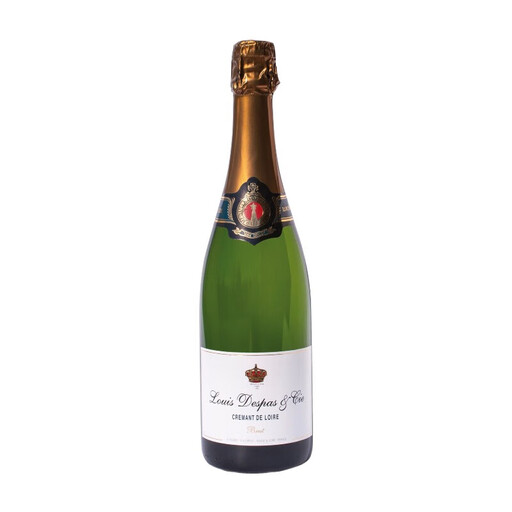
Why It Stands Out This Crémant de Loire from Louis Despas & Cie represents the elegance of the Loire region. Produced using the traditional method, it is characterised by a fine perlage (mousseux) and balanced freshness. Its dry character makes it a prime example of the art of French sparkling wine.
Benefits
Who It's For For connoisseurs who appreciate the complexity of the traditional method but are looking for a more approachable alternative to Champagne. Ideal for hosts who want to offer their guests a stylish welcome.
View Product: Crémant Brut Louis Despas
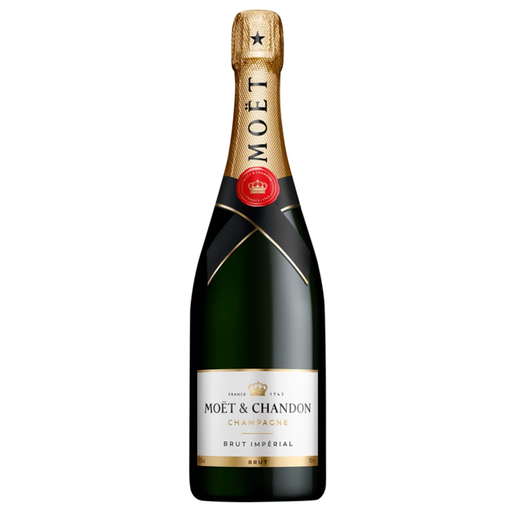
Why It Stands Out The Brut Impérial is the iconic expression of the House of Mo?t & Chandon. It embodies the brand's signature style through a harmonious assemblage of Champagne's three main grape varieties (Pinot Noir, Meunier, Chardonnay). It is renowned for its bright fruitiness and elegant maturity.
Benefits
Who It's For For special occasions that call for a statement. A choice for those who rely on an established brand with consistently high quality and wish to enjoy a classic Champagne.
View Product: Mo?t & Chandon Brut Impérial
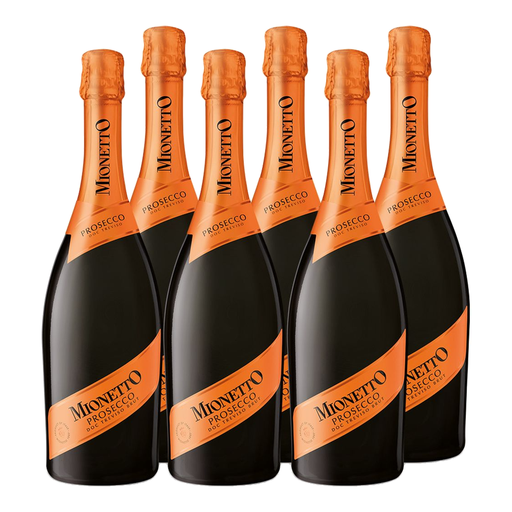
Why It Stands OutMionetto is one of the most historic yet innovative Prosecco wineries from Valdobbiadene. This Spumante Brut captivates with its brilliant straw-yellow colour and a fruity bouquet of Golden Delicious apples and pears. It embodies the Italian "Dolce Vita" in its freshest form.
Benefits
Who It's For For hosts entertaining a larger group, as well as lovers of the Italian lifestyle who need a high-quality Italian Prosecco for social gatherings or as a base for mixed drinks. A great choice for anyone ordering sparkling wine online and looking to buy in bulk.
View Product: Mionetto Prosecco Spumante Brut 6-Pack
The world of sparkling wine is far more extensive. German Sekt, in particular, offers an impressive variety, from dry to sweet, made from different grape varieties and from all of Germany's wine-growing regions.
If you wish to discover more alternatives, you are sure to find the perfect match in our comprehensive selection.
Explore Our Entire Sparkling Wine Collection
1. What is the fundamental difference between Sekt, Prosecco, and Champagne? The main difference lies in the origin and, often, the production method. Champagne comes exclusively from the Champagne region of France and is made using the traditional method of in-bottle fermentation. Prosecco comes from designated areas in Northern Italy and is usually produced via the tank method, which makes it fruitier. Sekt is the German term for sparkling wine; its quality and production method can vary, though Winzersekt (winemaker's Sekt) is often also made with in-bottle fermentation.
2. What is the ideal temperature for sparkling wine? The optimal serving temperature for most sparkling wines is between 6 and 10 °C. Lighter styles like Prosecco are best served cooler (6–8 °C), while more complex sparkling wines like Champagne or Crémant unfold their aromas better at slightly higher temperatures (8–10 °C).
3. How long does an opened bottle of sparkling wine last? An opened bottle of sparkling wine quickly loses its carbonation. With a special sparkling wine stopper, it can be stored in the refrigerator for 1 to a maximum of 3 days. However, the taste will begin to change after the first day. It is recommended to enjoy the bottle soon after opening.