
Lieferung heute & morgen

Qualitätsgarantie

Willkommens-Angebote freischalten: KOSTENLOSE Lieferung | Bis zu 80 % RABATT | Kostenlose 30-Tage-JoyPlus-Testphase
App herunterladen
The world of sparkling wine can be overwhelming: Sekt, Champagne, Prosecco, or perhaps a Crémant? Finding the right bottle is crucial, whether it's for a special occasion to toast with, as a refreshing aperitif, or as a gift. This guide offers a practical orientation to simplify your purchasing decision. We will introduce you to different types of sparkling wines and present a selection of products for various occasions and preferences.
To find the perfect sparkling wine, two criteria are particularly helpful: its origin and production method, and its sweetness level.
The name of a sparkling wine already reveals its origin and, often, its production method.
The flavour profile is determined by the residual sugar content and is indicated on the label. The most common designations are:
Here is a selection of sparkling wines that are well-suited for different occasions due to their specific characteristics.
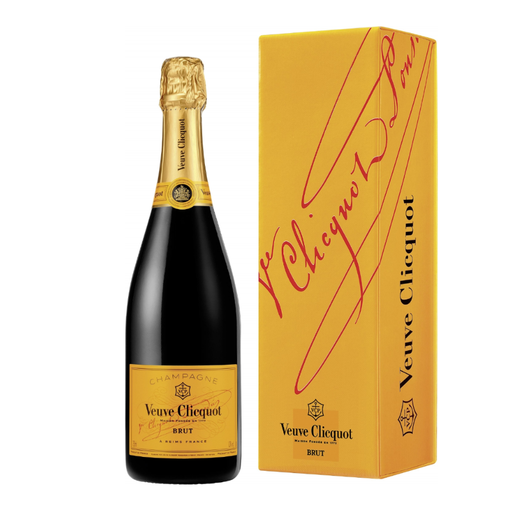
Why It Stands Out The Veuve Clicquot Brut is an iconic Champagne from Reims, known for its balanced flavour profile. The cuvée of Pinot Noir, Chardonnay, and Pinot Meunier grapes creates a harmonious structure with notes of citrus fruits and characteristic brioche aromas. It is produced using the traditional method, which ensures a fine and persistent perlage.
Pros
Who It's For For connoisseurs looking for a prestigious Champagne for special celebrations to toast with or to give as a premium gift.
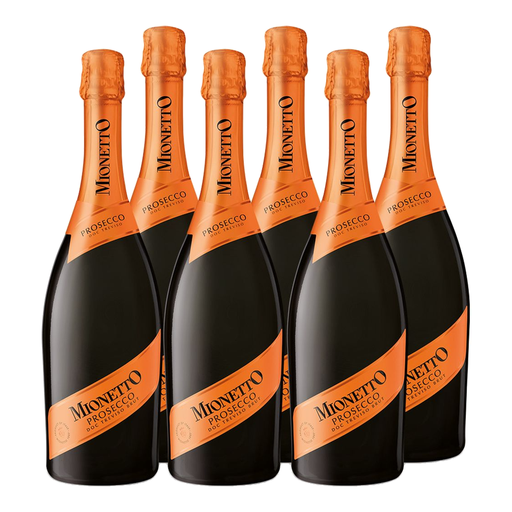
Why It Stands Out This Prosecco Spumante from Mionetto embodies the Italian zest for life. It has a bright straw-yellow colour and a fine, steady perlage. The bouquet is fruity with aromas of Golden Delicious apples, pears, and a hint of acacia honey. As a brut style, it is fresh and elegant. The 6-pack also offers a convenient supply.
Pros
Who It's For For hosts who need a straightforward and versatile sparkling wine for parties, as an aperitif, or for mixing cocktails like Aperol Spritz. Ideal for anyone looking for great value when buying sparkling wine.
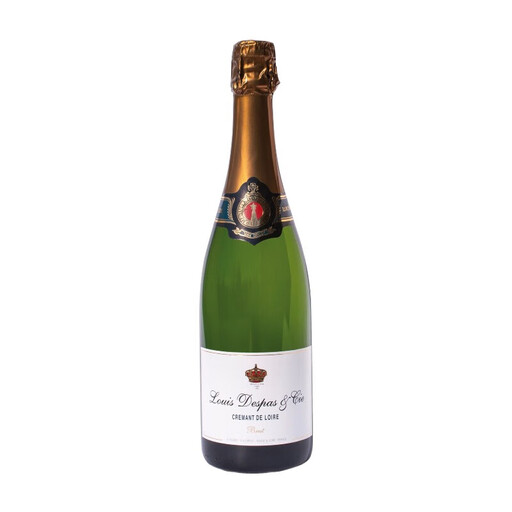
Why It Stands Out The Louis Despas & Cie Crémant de Loire is an elegant French sparkling wine produced, like Champagne, using traditional bottle fermentation. This method gives it a fine mousse and a balanced freshness. With its dry, lively character and a residual sugar content of around 10 g/l, it is a classic example of a Loire Crémant.
Pros
Who It's For For price-conscious connoisseurs who appreciate the quality of traditional bottle fermentation and are looking for a stylish alternative to Champagne for festive occasions or to pair with light dishes.
The world of sparkling wine is diverse, offering the right product for every taste and budget. If you want to discover more alternatives or search for specific brands and styles, you are sure to find what you're looking for in our wide selection.
Explore our full range of alcoholic sparkling beverages and find the perfect sparkling wine for your taste.
The main difference lies in the origin and production regulations. Champagne is a protected designation of origin for sparkling wine from the French region of the same name, produced according to strict rules. Sekt is the German term for sparkling wine. Its quality can vary significantly, though German Winzersekt (vintner's Sekt) is often made using traditional bottle fermentation and boasts high quality.
Sparkling wine should be stored in a cool, dark place with a constant temperature. Storing it upright is often recommended to prevent the cork from softening and to keep the pressure inside the bottle consistent. Long-term storage in the refrigerator is not ideal, as the vibrations and dry climate can impair the quality.
Brut is a taste indicator that denotes a very dry sparkling wine. According to EU regulations, the residual sugar content is between 0 and 12 grams per litre. Due to its low sweetness and refreshing acidity, brut is a very popular choice as an aperitif.