
Lieferung heute & morgen

Qualitätsgarantie

Willkommens-Angebote freischalten: KOSTENLOSE Lieferung | Bis zu 80 % RABATT | Kostenlose 30-Tage-JoyPlus-Testphase
App herunterladen
If you’re looking to buy sparkling wine 6 x 0.75 l, you’re probably after a practical quantity for birthdays, weddings, receptions, parties or to keep at home. A case contains 4.5 litres, or six bottles. Buying a case can be more convenient and better value than buying bottles individually – as long as the contents, sweetness and occasion are a good match.
The terms on the label follow set categories. Brut, Extra Dry, Dry, Medium Dry and Sweet aren’t simply personal descriptions of taste. A Prosecco labelled “Extra Dry”, for example, can contain more residual sugar than a Brut sparkling wine. So if you prefer a dry style, compare the specific sweetness description and, where available, the residual sugar content.
Prosecco comes from specific regions of Italy and is made predominantly from Glera grapes. Cava is a Spanish sparkling wine with a protected designation of origin. Champagne can only be used for sparkling wine from the Champagne region of France. German, Italian and French sparkling wines therefore differ not just in their labels, but also in origin, grape varieties and production methods.
A low total price may look appealing at first. For a more useful comparison, consider:
A six-bottle case with screw caps can be practical for a relaxed celebration. For a reception or as a gift, bottles with corks and classic presentation are often preferred.
For many guests, medium-dry sparkling wine or a sweeter style is an easy choice, while dry sparkling wine can work better with savoury food, canapés and as an aperitif. Rosé sparkling wine adds colour and a fruity touch to summer parties, birthdays and buffets.
For fruit-forward products, check whether you’re buying classic sparkling wine, Secco, fruit Secco or a flavoured wine-based drink. A passion fruit Secco, for example, isn’t the same as a traditional sparkling wine.
When comparing a six-bottle case of sparkling wine, check the product description. Cava may be made using the traditional bottle-fermentation method, while Prosecco Spumante is often made using the tank method. Champagne is traditionally fermented in the bottle and comes exclusively from the Champagne region.
Origin doesn’t automatically guarantee quality, but it can help you understand the style, grape varieties and typical uses. German sparkling wine from the Palatinate, Cava from Spain and Prosecco from Veneto each offer a different taste profile.
Depending on the variety, the recommended products contain around 7 to 12.5 % Vol. According to the product information, Cinzano Asti Spumante contains 7 % Vol., Mionetto Prosecco Brut 11 % Vol. and Taittinger Champagne 12.5 % Vol.
Many sparkling wines taste best chilled. Recommended serving temperatures are usually between 6 and 10 °C, depending on the product. Store unopened bottles somewhere cool and dry, away from direct sunlight. A suitable sparkling wine stopper will help preserve the fizz after opening, but the bottle should still be finished soon.
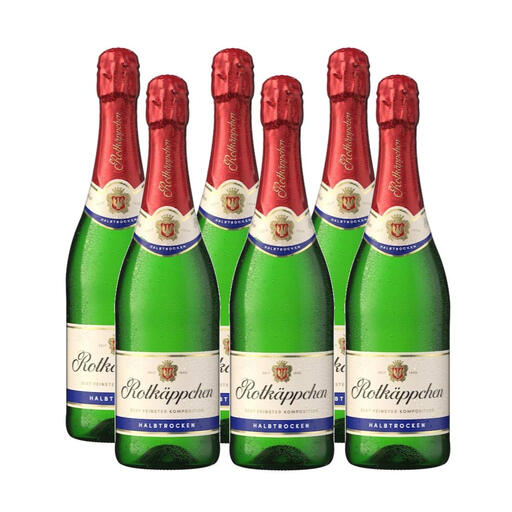
Why it suits this profile: The medium-dry style and six-bottle case make it a good choice for celebrations at home, impromptu get-togethers and keeping a handy supply in the cupboard.
The product details specify 11 % Vol., 0.75 litres per bottle and six bottles. This makes it easy to compare the case price with individual bottle offers.
German sparkling wine, a medium-dry style and a recommended chilled serving temperature.
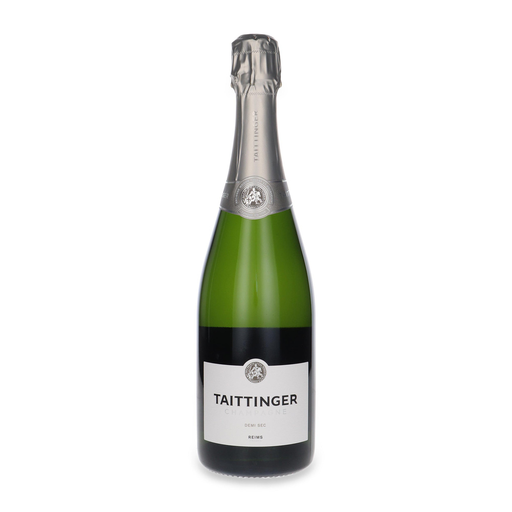
Why it suits this profile: A single bottle of Champagne is ideal for a reception, a gift or a special toast when its origin in the Champagne region is important.
The protected origin is clearly stated. Before buying, check that the sweetness is what you’re looking for, as the product name and description give different details.
Champagne origin, a 0.75-litre bottle and 12.5 % Vol. according to the product information.
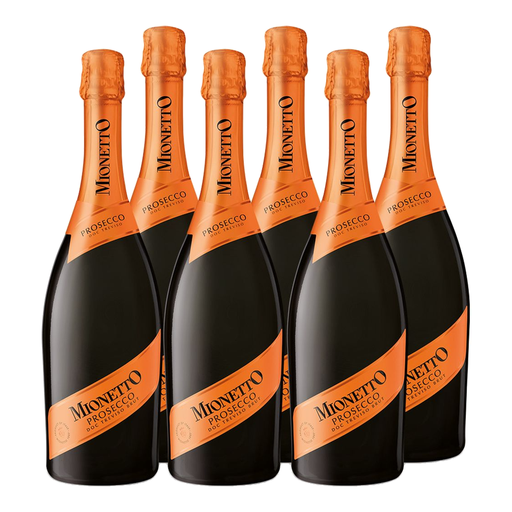
Why it suits this profile: This Italian six-bottle case is a great choice for aperitifs, hospitality settings, larger celebrations and Prosecco-based cocktails.
The product information clearly lists the DOC origin, Glera grape variety, six bottles and 11 % Vol.
Brut style, 6 x 0.75 litres and a recommended serving temperature of 6–8 °C.
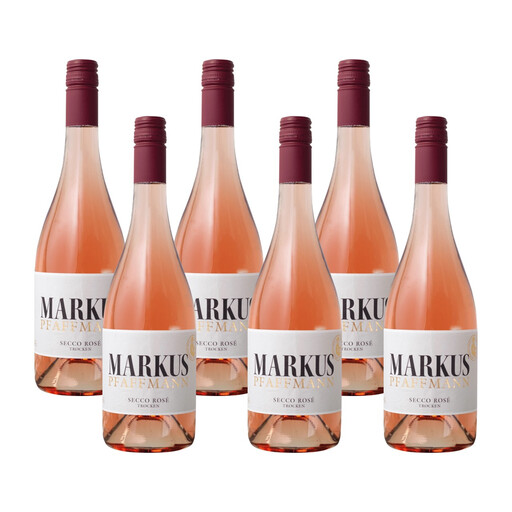
Why it suits this profile: This German rosé Secco from the Palatinate comes in a six-bottle case with a fruity style, making it a lovely choice for garden parties, receptions and summer buffets.
The product details specify the Palatinate as the region of origin, Portugieser as the grape variety, 11 % Vol. and a pack size of 6 x 0.75 litres.
Rosé colour, fruity aromas and a screw cap for convenient storage.
We’ve put together a complete, regularly updated list of products that meet these strict selection criteria and comply with the safety regulations in force across the EU.
A 0.75-litre bottle serves around six to seven glasses, depending on the pour size. A six-bottle case therefore provides roughly 36 to 42 smaller servings. For a specific event, also consider whether you’ll be serving sparkling wine just for the toast or throughout several hours.
Keep unopened bottles somewhere dark and dry, away from heat. Chill them to around 6–10 °C before serving, depending on the product. Once opened, bottles should be kept in the fridge and enjoyed as soon as possible. A specialist sparkling wine stopper can help slow the loss of fizz.
It depends on the offer, delivery costs and price per bottle. When comparing sparkling wine online, divide the total price by six. Also take into account the product type, alcohol content, origin and sweetness you’re looking for. Alcoholic drinks may only be purchased and consumed by people who meet the applicable legal minimum age; please drink responsibly.