
Lieferung heute & morgen

Qualitätsgarantie

Willkommens-Angebote freischalten: KOSTENLOSE Lieferung | Bis zu 80 % RABATT | Kostenlose 30-Tage-JoyPlus-Testphase
App herunterladen
A 6 x 0.75-litre sparkling wine pack contains six standard bottles, with a total of 4.5 litres. Depending on serving size, that’s enough for around 36 glasses of 125 millilitres, making it a good choice for birthdays, receptions, weddings, restaurants or keeping at home. Alongside classic sparkling wine, you can also choose from six-packs of sparkling wine, Prosecco, Secco, fruit Secco and Cava.
Buying a larger pack can bring down the price per bottle, but there are some common pitfalls to watch out for. Brand and bottle design aren’t the only things that matter: pay close attention to the style, sweetness, alcohol content, origin and storage instructions.
The English terms on the label aren’t always intuitive. When it comes to sparkling wine, Extra Dry doesn’t mean the driest taste. Prosecco Extra Dry, for example, can contain up to 17 grams of residual sugar per litre, making it taste softer than a wine labelled Brut.
German sparkling wine is often labelled dry, medium dry or Brut. If you prefer a distinctly dry taste, check the precise style and, where available, the residual sugar content. Medium-dry sparkling wine is more likely to suit guests who prefer a milder, fruitier note.
Six bottles may sound like a generous supply, but they can soon run out at a party with lots of guests. Allow around six to eight glasses per 0.75-litre bottle, depending on glass size, top-ups and what other drinks you’re serving.
It’s also worth keeping a few bottles in reserve for a sparkling wine reception. If you’re offering a mix of beer, wine, soft drinks and cocktails, you’ll usually need less.
Unopened sparkling wine should be stored in a cool, dry place away from light. Large temperature fluctuations and direct sunlight can affect its quality. Most products are best served at around 6 to 10 °C. Once opened, a suitable sparkling wine stopper will keep the fizz for longer than a cork placed loosely in the bottle.
A six-pack contains six bottles of 0.75 litres each. The total of 4.5 litres is useful to bear in mind when planning quantities for parties and events. When browsing offers, check that you’re getting six bottles and that they’re standard-sized rather than smaller formats.
Dry sparkling wine, dry rosé sparkling wine and Prosecco are popular choices for a classic reception. Dry sparkling wine with fresh acidity often works well as an aperitif and alongside savoury snacks. A medium-dry style may be a more crowd-pleasing option when you’re catering for different tastes.
A six-pack of Secco is an alternative to classic sparkling wine. Depending on the product, Secco may have a lighter fizz and a fruitier flavour profile. Flavoured options such as fruit Secco also contain fruit juice, sugar or flavourings, so their taste and nutritional values can differ considerably from those of sparkling wine.
A six-bottle pack of sparkling wine could come from Germany, Italy or Spain. Prosecco is generally made from the Glera grape and, when it comes from the relevant region, carries the Prosecco DOC designation. Cava comes from Spain and is made using the traditional method when this is specified for the product.
So, when choosing Prosecco 6 x 0.75 litres or Cava Rosé, look beyond the country of origin and check the product category, grape variety and production method too. Remember to check the label for allergens such as sulphites.
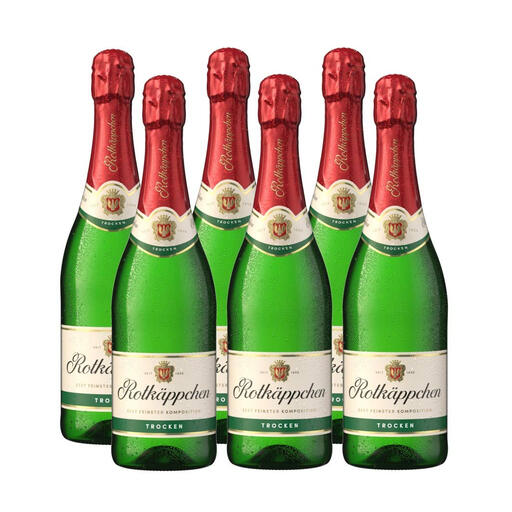
Why it suits this shopper: This German dry sparkling wine comes in a six-bottle pack, with 0.75 litres per bottle, making it a good choice for parties at home or regular restocking.
The clear product name makes it easier to identify the sweetness level, and the pack size is clearly listed as six standard bottles.
11 % vol., six bottles and a dry style for aperitifs, toasts or sparkling wine cocktails.
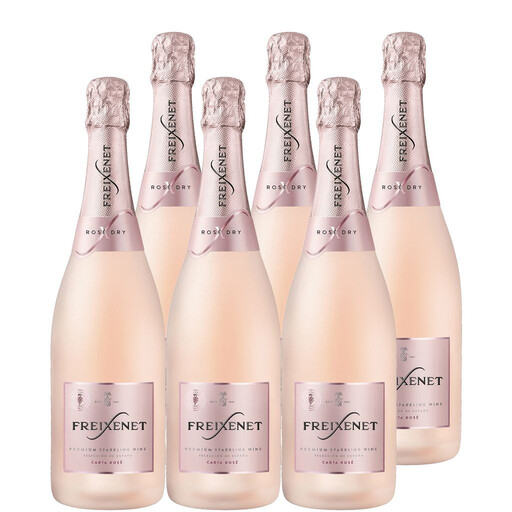
Why it suits this shopper: This Spanish Cava Rosé combines an attractive pink colour with traditional bottle fermentation. It’s well suited to special occasions and light meals.
The product details clearly set out the origin, wine type, production method and residual sugar.
11.5 % vol., traditional bottle fermentation and a recommended serving temperature of around 6 to 8 °C.
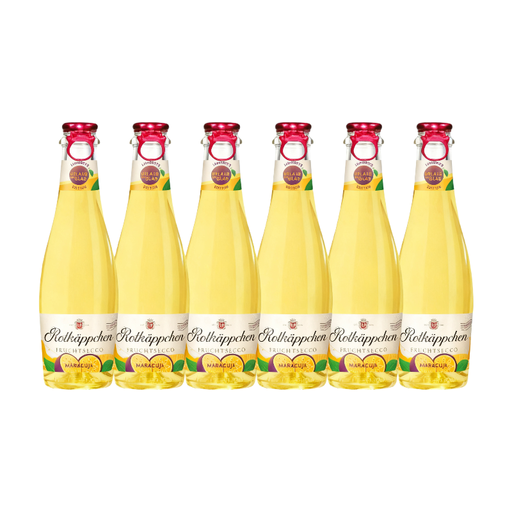
Why it suits this shopper: This flavoured fruit Secco is a good choice for summer aperitifs, buffets and guests who prefer fruit-forward drinks.
It’s clearly identified as a wine-based drink with passion fruit juice, rather than being presented as classic sparkling wine.
Six bottles, 8 % vol. and a recommended serving temperature of around 8 °C; contains passion fruit juice.
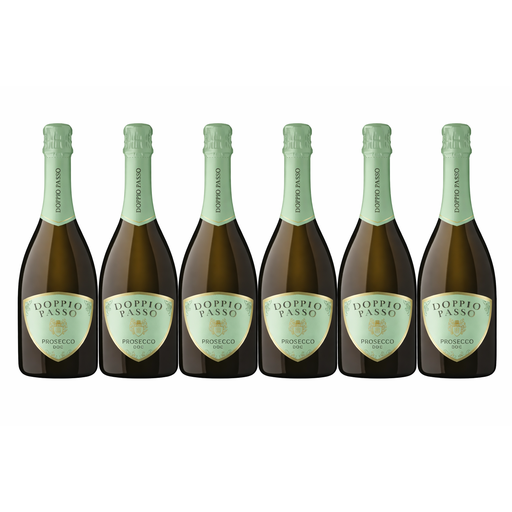
Why it suits this shopper: This Italian Prosecco is a great choice for aperitifs and light starters, with six bottles to share with a larger group.
The Extra Dry label is considered alongside the stated sugar content of 15 g/l, rather than being taken to mean the wine is as dry as possible.
Prosecco DOC from Italy, made with Glera grapes; 0.75-litre bottles and 11 % vol.
We’ve put together a complete, regularly updated list of products that meet these strict selection criteria and fully comply with the safety regulations in force in the EU.
With six bottles and around six glasses per bottle, a six-pack provides roughly 36 glasses. For a reception with 18 guests, that works out at about two glasses per person. If your event is longer or you expect generous top-ups, plan to have extra bottles on hand.
Sparkling wine gradually loses its fizz once opened. With a suitable stopper and chilled storage, it’s best to drink it as soon as possible, generally within one to three days. Store unopened bottles in a cool, dry place away from light. Check the packaging for the specific best-before or use-by date.
Sparkling wine can be made in Germany or elsewhere. Prosecco is an Italian wine with a protected designation of origin, usually made from Glera grapes. Secco is often a semi-sparkling wine with less fizz than classic sparkling wine. Fruit Secco contains fruit juice or flavourings, so its taste and nutritional values should be considered separately.