
Lieferung heute & morgen

Qualitätsgarantie

Willkommens-Angebote freischalten: KOSTENLOSE Lieferung | Bis zu 80 % RABATT | Kostenlose 30-Tage-JoyPlus-Testphase
App herunterladen
Finding the right foods for special dietary needs can be a daunting task. Whether for health reasons like celiac disease or lactose intolerance, or due to a conscious choice for a vegan, ketogenic, or sugar-free diet, the market is vast but often overwhelming. Many products promise more than they deliver, leading to disappointment and unnecessary expense. This guide will help you navigate the common pitfalls and make an informed choice.
Several traps await when shopping for diet products or foods for intolerances. Knowing them helps you shop more consciously.
To avoid bad purchases, you should focus on objective criteria rather than trusting marketing promises.
The fine print on the back is your most important source of information. Pay attention to the following points:
Rely on standardised symbols that are legally protected and require strict controls.
Instead of general recommendations, we present products tailored to specific needs and profiles.
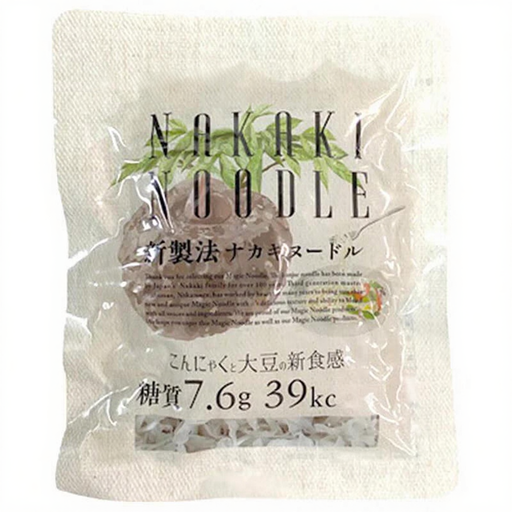
Why This Fits Their Persona: Ideal for those who want to enjoy noodle dishes without the calories or carbs. Perfect for a keto diet or a calorie-reduced eating plan.
These noodles bypass the pitfall of disappointing taste. Unlike many pure konjac noodles, this soy blend has a neutral smell and a texture reminiscent of wheat noodles.
Virtually calorie- and carbohydrate-free (0 kcal and 0.8g carbs per 100g). High fibre content promotes satiety. Ready in 1–2 minutes.
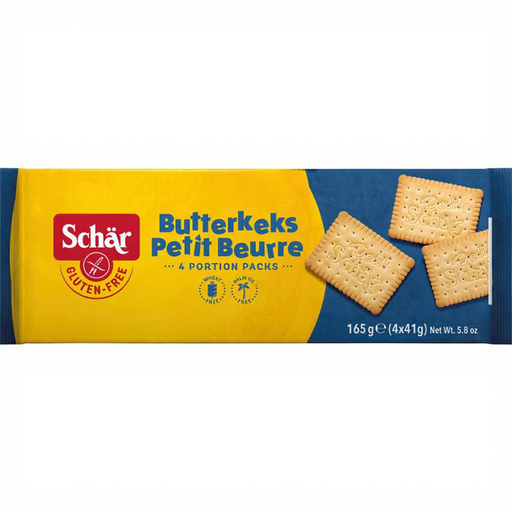
Why This Fits Their Persona: For people with celiac disease or gluten intolerance who don't want to miss out on the classic taste of butter biscuits with their coffee or tea.
This product avoids the trap of hidden ingredients. Sch?r is a specialist manufacturer of gluten-free foods, whose products are known for their reliability and safety for celiac disease.
Made with 10% real butter for an authentic taste. The recipe with corn starch provides a crisp texture that is often missing in gluten-free baked goods.
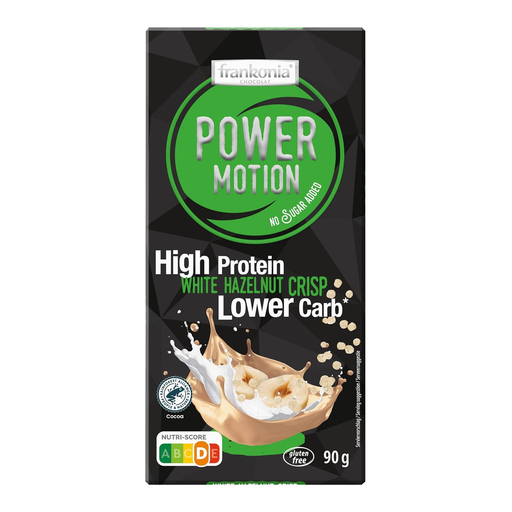
Why This Fits Their Persona: Suitable for athletes and health-conscious individuals looking for a high-protein snack that satisfies sweet cravings without added sugar.
This product avoids the 'health halo' trap through transparency. It is clearly positioned as a functional food: high in protein, sweetened with maltitol. The nutrition facts are unambiguous.
High protein content from whey and soy protein crispies. No added sugar. The combination of white chocolate, hazelnut paste, and crispies provides a rich taste and an appealing texture.
We've compiled a complete, up-to-date list of products that fully meet these strict selection criteria and relevant regulations.
Look for the official crossed grain symbol. This symbol is licensed by celiac societies and guarantees that the product has undergone strict controls and that the gluten content is below the legal limit of 20 parts per million (ppm). This offers the highest level of safety for people with celiac disease.
No, not necessarily. To maintain taste, manufacturers often replace sugar with sugar substitutes (e.g., maltitol) and/or increase the fat content. For example, a low-carb chocolate can have almost as many calories as conventional chocolate. A look at the nutrition facts is therefore essential to check the calorie content.
Konjac noodles, also known as shirataki, are made from the flour of the konjac root. They consist mainly of water and the soluble fibre glucomannan. Since they contain virtually no calories and no digestible carbohydrates, they are an excellent choice for low-calorie noodles and fit perfectly into the meal plan of keto products.