
Lieferung heute & morgen

Qualitätsgarantie

Willkommens-Angebote freischalten: KOSTENLOSE Lieferung | Bis zu 80 % RABATT | Kostenlose 30-Tage-JoyPlus-Testphase
App herunterladen
The world of tea is as diverse as the cultures it comes from. From the aromatic spices of India and the robust notes of Turkey to the time-honoured tea culture of East Frisia—every variety tells its own story. However, with the vast selection of international speciality teas, it can be challenging to find authentic products that deliver on their promise.
This article serves as a guide. We will introduce you to a selection of teas from different regions and provide you with practical criteria to assist in your selection. Our goal is to offer an objective basis for your purchasing decision, helping you find the traditional tea that best suits your preferences.
To make the right choice, some basic knowledge about the characteristics of tea is helpful. The following points can serve as your guide.
The geographical origin and its associated growing conditions significantly shape a tea's character. An Indian spice tea from Assam has a different flavour profile than a Turkish black tea from the Rize region. Look for products whose origin is clearly declared. Brands like Caykur Tiryaki for Turkish tea or Bünting Tee for East Frisian tea are closely linked to their respective tea cultures and represent a specific tradition.
The quality of a tea can often be identified by the shape of its leaves. Loose-leaf black tea frequently consists of larger, whole, or only coarsely broken tea leaves. This allows for a slower, more even extraction of flavours during brewing, often resulting in a more complex taste experience. In comparison, tea bags usually contain finer leaf grades (fannings or dust), which are designed for a quick and strong infusion.
For tea blends like Masala Chai, the ingredient list is crucial. Authentic recipes use natural spices such as cardamom, ginger, cinnamon, and cloves. Check the ingredients to ensure there are no artificial flavours or excessive amounts of fillers. If you are specifically looking to buy Masala Chai, a glance at the composition will reveal the quality and character of the blend.
Based on the criteria mentioned above, we have curated a selection of teas, each representing a specific tea tradition.
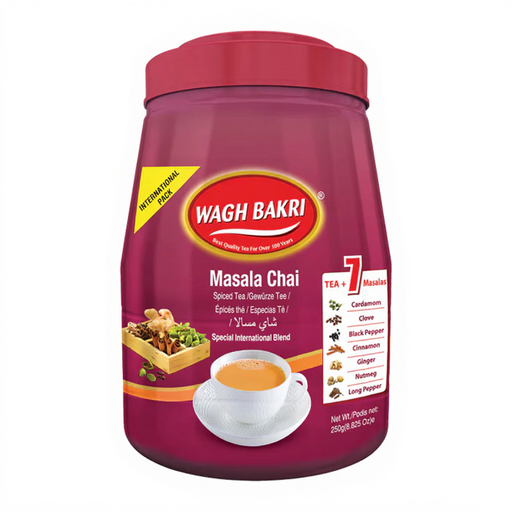
Why this product stands out This tea embodies the classic Indian spice tea. The blend is based on a strong black tea and a traditional combination of seven spices, including cardamom, ginger, and cinnamon. It is delivered in a resealable plastic container that protects the aroma.
Benefits
Who is it for? This product is aimed at lovers of spicy and aromatic hot beverages, as well as individuals who want to prepare the authentic taste of an Indian Masala Chai at home.
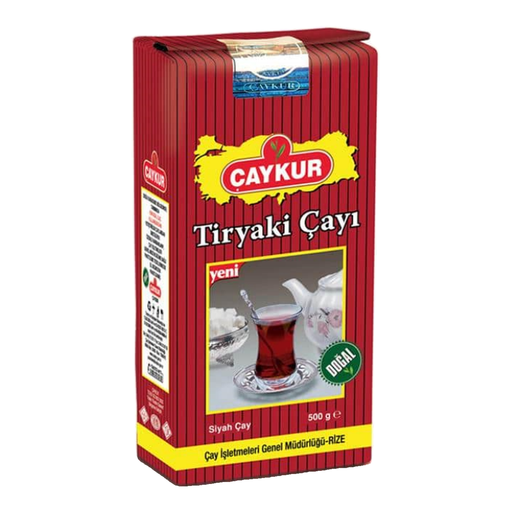
Why this product stands out ?aykur Tiryaki is the epitome of Turkish black tea. The tea leaves originate from the region around Rize on the Black Sea, the northernmost tea-growing area in the world. Its unique feature is that the tea plants are covered by snow in winter, which, according to the manufacturer, contributes to a rich and full aroma without bitterness.
Benefits
Who is it for? Ideal for tea drinkers who prefer a strong, pure black tea. It is also for those who appreciate Turkish tea culture and are seeking the typical taste of Turkish ?ay.
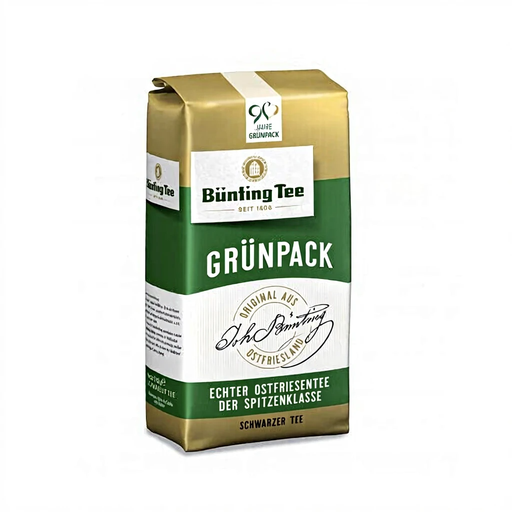
Why this product stands out This tea is a classic East Frisian blend from one of Germany's oldest tea trading houses. It consists of a strong, malty composition of select Assam teas. The blend is designed as a loose-leaf black tea and is specifically tailored for the East Frisian tea ceremony with Kluntje (rock sugar) and cream.
Benefits
Who is it for? This product is for lovers of German tea culture and especially for those who appreciate the strong and characteristic taste of a genuine East Frisian tea.
The world of tea offers countless flavours that can provide energy and a sense of well-being. If the varieties presented here don't quite match your preferences, or if you're simply curious about other stimulating blends, there is more to discover.
Discover our entire selection of energy teas
The main difference lies in the origin and composition of the tea leaves. Turkish black tea, like that from ?aykur, is usually a single-origin tea from the Turkish Rize region and has a strong yet smooth taste. East Frisian tea, on the other hand, is almost always a blend of various very strong Assam teas, which gives it its typical malty and robust flavour.
A traditional tea like Masala Chai is simmered, not just steeped. Typically, water, milk (often in a 1:1 ratio), the tea blend, and sugar (or another sweetener) are slowly brought to a simmer together in a pot. The mixture is left to infuse for several minutes to allow the spice aromas to fully develop before it is strained into a cup.
Good quality in loose-leaf black tea can be identified by several characteristics. Look for whole, evenly rolled tea leaves. The colour should be a uniform dark brown to black, without a greyish film. A fresh, aromatic scent is also a good sign, whereas a dusty or musty smell indicates that the tea is old or has been stored improperly.